Employees with formal contracts and public servants in Brazil are increasingly turning to adult content creation after hours to make up for gaps between wages and the cost of living, a sign that households are searching for new income streams even when the extra work carries reputational risk.
Brazil Workers Turn to Adult Content for Extra Income
The shift matters economically because it points to a labor market where officially employed workers still feel pressure to supplement pay, suggesting that nominal income gains are not fully offsetting expenses. That dynamic can support consumer spending at the margin, but it also highlights how stretched budgets are becoming for middle-income workers who would traditionally rely on one salary.
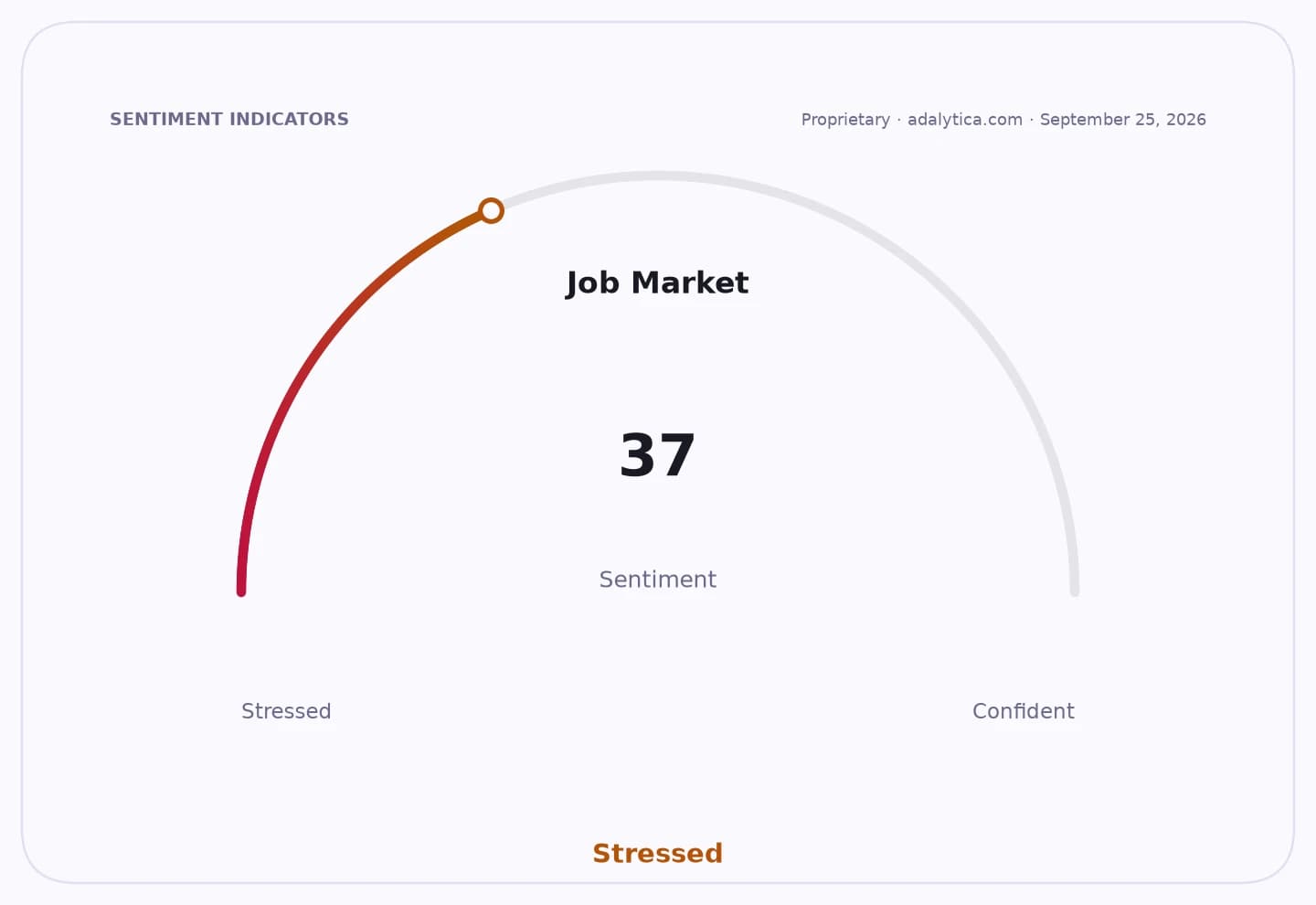
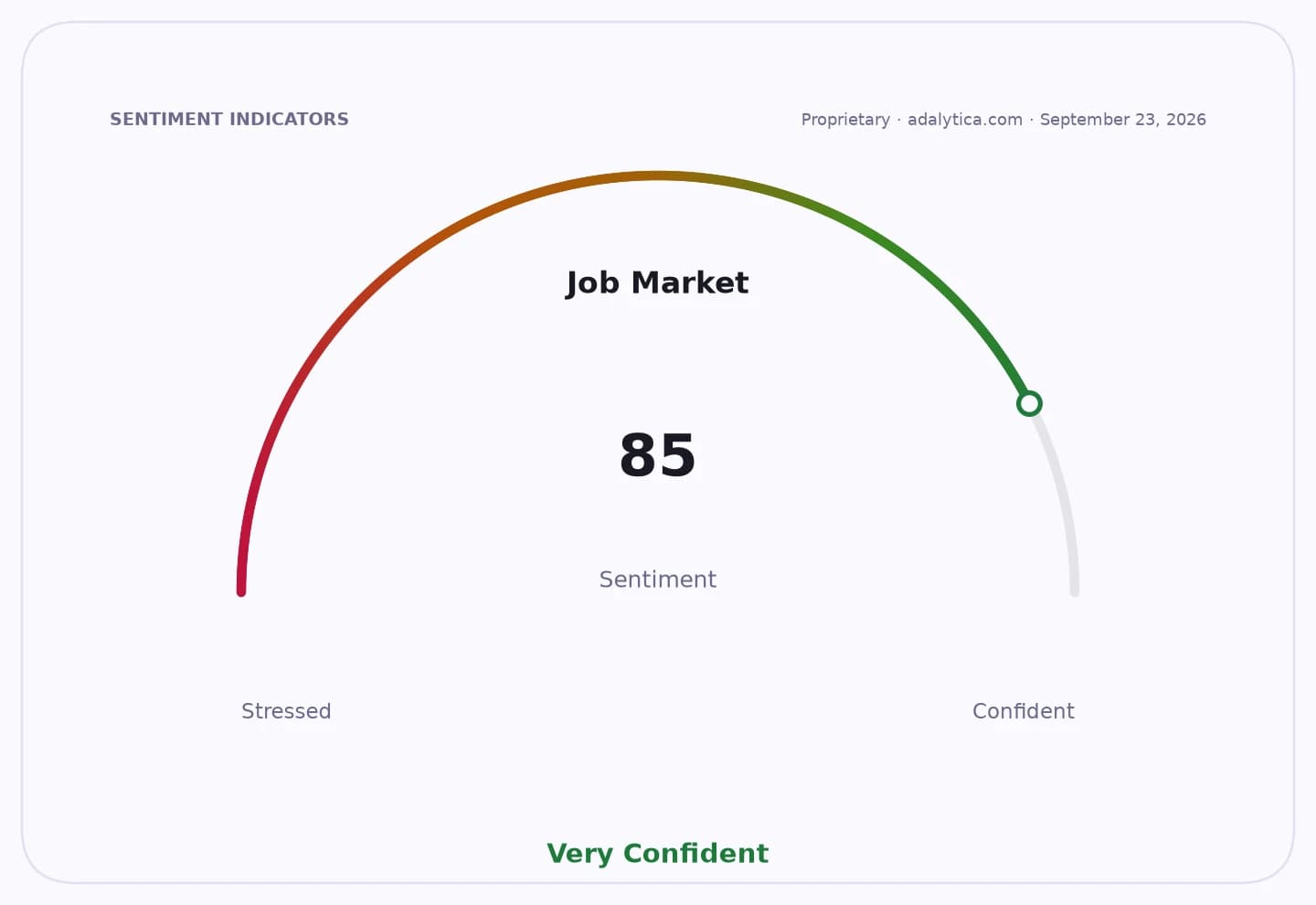
Sentiment IndicatorsⓘProprietary · adalytica.com · September 5, 2026
This is a snapshot — live sentiment, awareness and momentum for 130+ markets update continuously in the dashboard.Open AlphaPulse
In the examples described, a federal civil servant in southern Brazil known as Snow said he earns between R$1,000 and R$3,000 a month from sexual photos and videos, less than his main salary but enough to matter to his household budget. Another creator, Lucas, said his erotic content can bring in as much as R$5,000 in strong months. The extra income is being kept separate from formal employment through pseudonyms and separate profiles, underscoring how stigma rather than legality is shaping behavior.
That stigma is part of the story’s broader economic significance. Social scientist Carolina Bonomi said anonymity is effectively a requirement for workers with formal contracts, not because of the law but because of the risk of prejudice in traditional workplaces. Her warning that complete anonymity cannot be guaranteed speaks to a real downside for employees: if side work is exposed, the cost may not be financial alone but could include dismissal, discipline or stalled career progression.
The trend also shows how digital platforms are absorbing demand created by inflation and squeezed wages. Adalytica’s CPI sentiment gauge is currently at 4, or “Extreme Fear,” indicating a heightened cost-of-living backdrop, while U.S. unemployment remains low at 4.1%, a reminder that job availability alone does not resolve household income pressure. In that environment, workers with stable employment are still seeking second-income channels that can be done privately and flexibly.
For investors, the story reinforces a structural tailwind for creator monetization platforms, subscription-based adult content businesses and adjacent payment and distribution services. It also underscores reputational and compliance risk for mainstream social platforms, which must police objectionable content while still catering to creator economies that increasingly blur the line between personal branding and income generation. Meta and Pinterest have both told investors in recent filings that engagement, content quality and objectionable practices are central to user growth and monetization.
The bull case is that the creator economy remains resilient when households need flexible, low-capital side income. The bear case is that the same trend depends on secrecy, legal gray areas and social tolerance, making it fragile if employers or regulators tighten scrutiny. For now, the bigger economic message is that even formal employment is no longer a guarantee of sufficient income, and digital platforms are becoming a backstop for workers trying to close the gap.
| Entity | Gains | Losses |
|---|---|---|
| Workers with formal jobs | ▲Extra income flexibility | ▼Privacy and career risk |
| Adult content platforms | ▲More creator supply | ▼Higher moderation scrutiny |
| Employers/public-sector offices | ▲— | ▼Employee distraction/reputational concerns |
| Households under cost pressure | ▲Budget relief | ▼Social stigma exposure |