Brent crude fell below $86 a barrel for the first time since Aug. 27, underscoring how quickly the market is stripping out the geopolitical risk premium that had supported prices through much of the autumn.
Brent crude falls below $86 a barrel

February Brent futures were down 0.83% at $85.96 a barrel at 05:17 GMT on Tuesday, while January West Texas Intermediate fell 0.96% to $79.40, according to trading data. The move extends a retreat from recent highs and leaves Brent well off the levels seen earlier in the year, when supply disruptions and Middle East conflict pushed crude sharply higher.
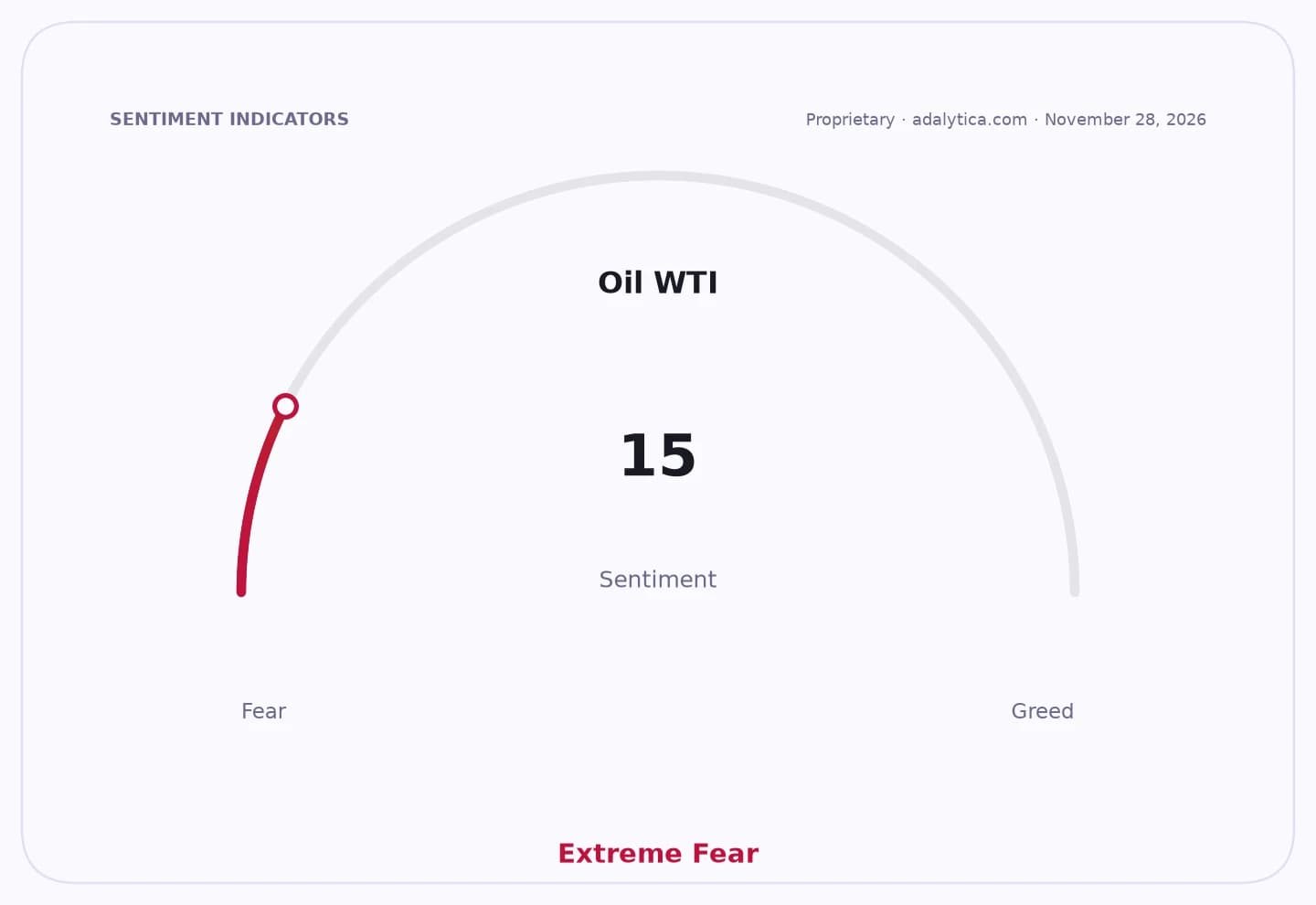
Sentiment Indicators
The slide matters because oil is one of the most important inflation inputs in the global economy. A drop of this size can ease pressure on transport costs, industrial inputs and consumer prices, and it gives central banks slightly more room to keep policy restrictive without worrying as much about another energy-led inflation shock. The benchmark’s decline also follows signs that the market is less willing to pay up for nearby supply risk, even as the region remains volatile.
For investors, the break below $86 is a signal that energy equities, commodity-linked currencies and inflation hedges may face near-term pressure if the selloff persists. It also matters for refiners and transport-intensive industries, which benefit from cheaper crude, while upstream producers and oil-heavy portfolios risk lower cash flow expectations. USO and other oil trackers have already reflected the shift, with technical indicators showing weakening momentum and the broader oil complex moving into an “extreme fear” reading in Adalytica’s Oil WTI Trade Signals snapshot.
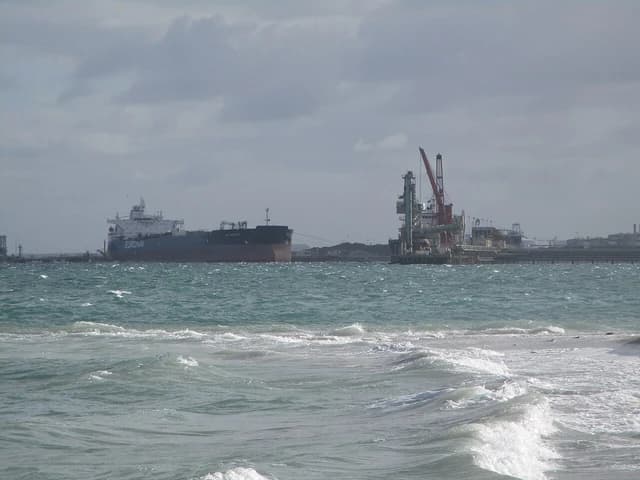
The move comes against a backdrop of heightened but uneven Middle East tensions, including attacks on Saudi energy infrastructure and oil tankers that had recently helped push prices higher. At the same time, the market has also been contending with softer demand signals and inventory-driven pressure, which have made rallies difficult to sustain. Brent’s retreat suggests those fundamental concerns are outweighing the latest geopolitical bids.
The near-term outlook now hinges on whether supply disruptions deepen enough to rebuild a risk premium, or whether weaker demand and ample inventories keep capping rallies. If crude holds below this level, the market may shift from pricing geopolitical shock to focusing more on growth and demand, a setup that would favor consumers and refiners over producers.
| Entity | Gains | Losses |
|---|---|---|
| Airlines and transport firms | ▲Lower fuel costs | ▼Lost hedge value |
| Oil producers | ▲— | ▼Softer realized prices |
| Refiners | ▲Cheaper feedstock | ▼Narrower product spread risk |
| Inflation-sensitive economies | ▲Cooler price pressure | ▼Less commodity support |