BRICS is trying to turn its size into something more powerful: a pipeline of technologies that can be scaled across a huge share of the world’s population, from artificial intelligence and quantum computing to clean energy, satellites and instant payments. For investors, that matters because the story is no longer just about diplomacy or trade blocs — it is about whether BRICS can create the infrastructure and industrial know-how that drive economic growth, margin expansion and, eventually, investable companies.
BRICS Tech Push Targets AI, Payments, Energy
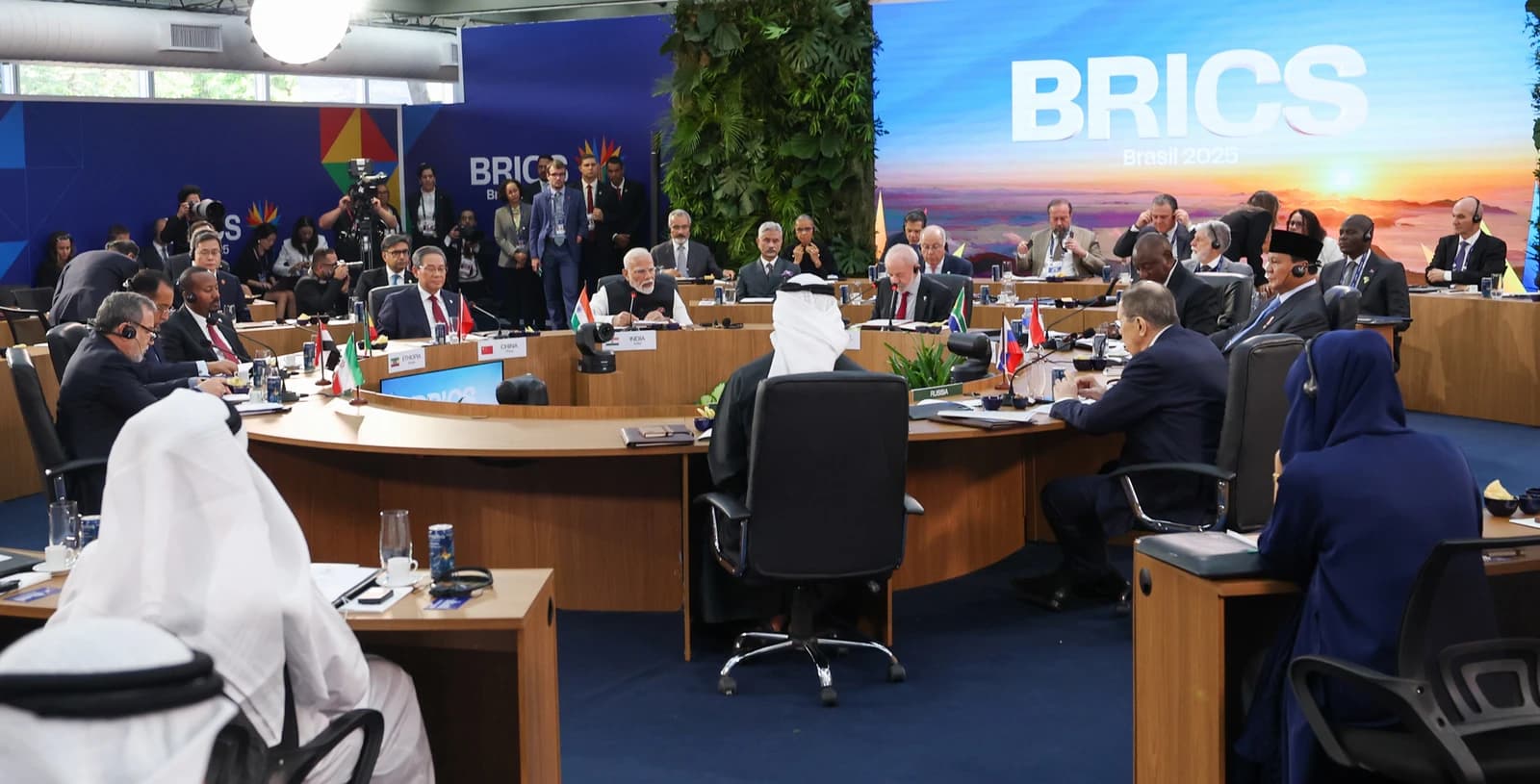
The biggest takeaway is that BRICS members are building complementary strengths in areas that sit at the center of the next decade of global growth. China is pushing ahead in AI, autonomous transport, quantum communications and fusion research. India is expanding satellites, private launches, digital payments and personalized medicine. Brazil is leaning into biofuels and sustainable aviation fuel. Russia is advancing nuclear technology, quantum computing and AI. South Africa, the UAE and Ethiopia are adding capabilities in astronomy, smart cities and digital agriculture.
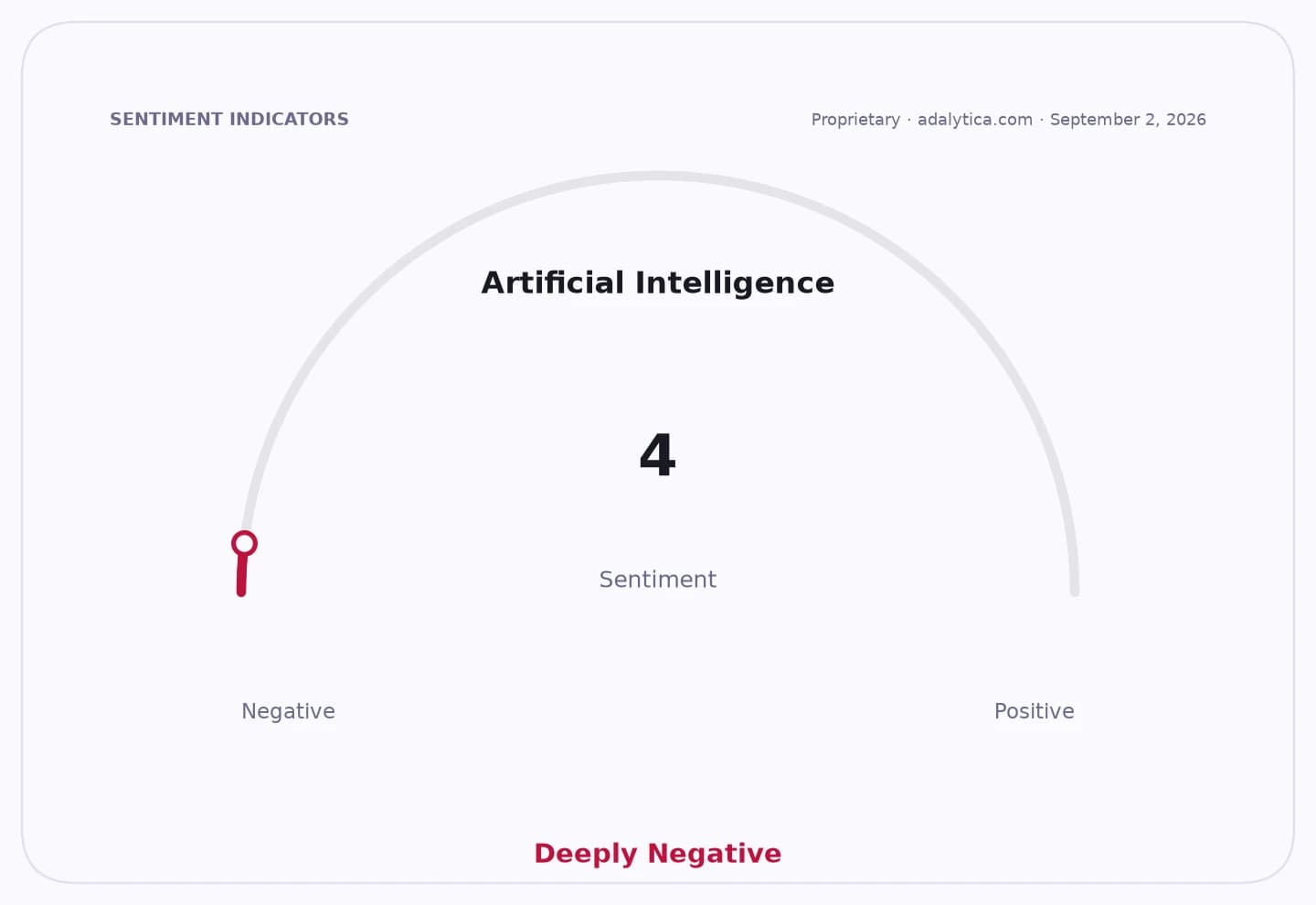
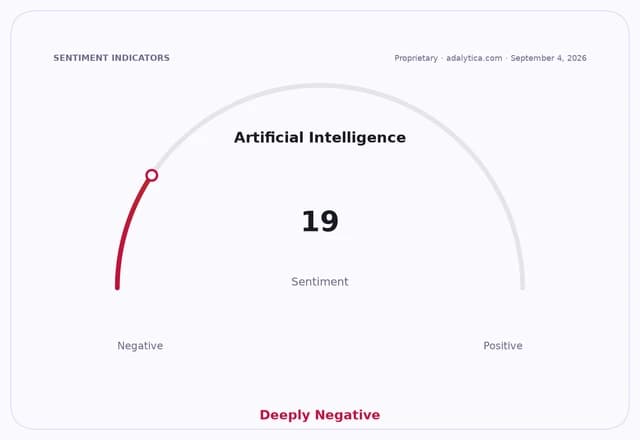
Sentiment IndicatorsⓘProprietary · adalytica.com · September 4, 2026
This is a snapshot — live sentiment, awareness and momentum for 130+ markets update continuously in the dashboard.Open AlphaPulse

That mix matters economically because the payoff from innovation is not only new products, but lower costs, higher productivity and more resilient supply chains. In a world still wrestling with energy security, food security and digital sovereignty, technologies that improve transport, power generation, medical diagnosis and cross-border payments can lift growth even if they take years to commercialize. The BRICS pitch is essentially that innovation can be shared across markets that together represent enormous demand.
China remains the clearest engine in the bloc. It said GDP rose 5% in 2025 to more than 140 trillion yuan, helped by robotization, automation, digital infrastructure, low-carbon investment and AI adoption across industry and finance. It also unveiled the Zuchongzhi 3.0 prototype, which reportedly completed random circuit sampling tasks one quadrillion times faster than the world’s most powerful supercomputer, and is targeting a 2027 launch for its BEST fusion project. If even part of that roadmap matures, it could reshape industrial power costs and reinforce China’s edge in advanced manufacturing.
India’s opportunity is different but just as important. Its UPI payments system already shows how a domestic platform can become a national utility, and a potential bridge with Brazil’s PIX could eventually lower settlement costs across BRICS. That is the sort of plumbing investors often overlook, yet payment rails are what make commerce faster, cheaper and more scalable. India’s space program and Genome India initiative add two more long-duration themes: satellite services and precision medicine, both of which can support new business models over time.
For energy investors, the clean-power angle is especially relevant. Brazil says almost 90% of its electricity comes from renewables and is pushing sustainable aviation fuel, while China is aiming at fusion and electric mobility. That reinforces a simple investing idea: the energy transition is not one trade, but a collection of businesses ranging from grid hardware and batteries to solar, biofuels, charging networks and industrial automation. Companies such as Tesla and First Solar sit in that broad ecosystem, though both are still facing the usual volatility that comes with capital-intensive growth. Tesla’s shares have been trading well below their 200-day moving average, while First Solar has also pulled back sharply from its highs, a reminder that even the strongest secular themes can be rough at the stock level.
Long-term investors should care less about any single headline invention than about the compounding effect of repeated breakthroughs. A fusion magnet, a quantum processor, a satellite launch or an instant-payment network may not transform earnings overnight. But together they can create ecosystems of suppliers, software, hardware and services that do. That is where wealth is usually made — not in the announcement, but in the platforms that scale.
The risks are real. BRICS still faces uneven funding, brain drain, dependence on commodities in some members and geopolitical friction inside the group. Many projects discussed here are early-stage, and some may never become commercially meaningful. But that does not diminish the investment lesson. The countries most willing to invest in infrastructure, energy and frontier technologies are trying to own the rails of future growth.
For investors building portfolios for the next 3 to 10 years, the right response is not to chase every breakthrough, but to stay diversified and focus on durable winners in AI, energy, healthcare and digital infrastructure. BRICS is showing where the next wave of demand could come from. That makes the bloc worth watching, and the technologies it is backing worth adding to your long-term watchlist.
| Entity | Gains | Losses |
|---|---|---|
| BRICS technology leaders | ▲Bigger innovation markets | ▼Slower adopters |
| China, India, Brazil | ▲Industrial and digital scale | ▼Commodity-dependent economies |
| AI, fusion, clean energy | ▲Long-term investment demand | ▼Legacy energy systems |
| Cross-border payment rails | ▲Lower transaction costs | ▼Expensive intermediaries |