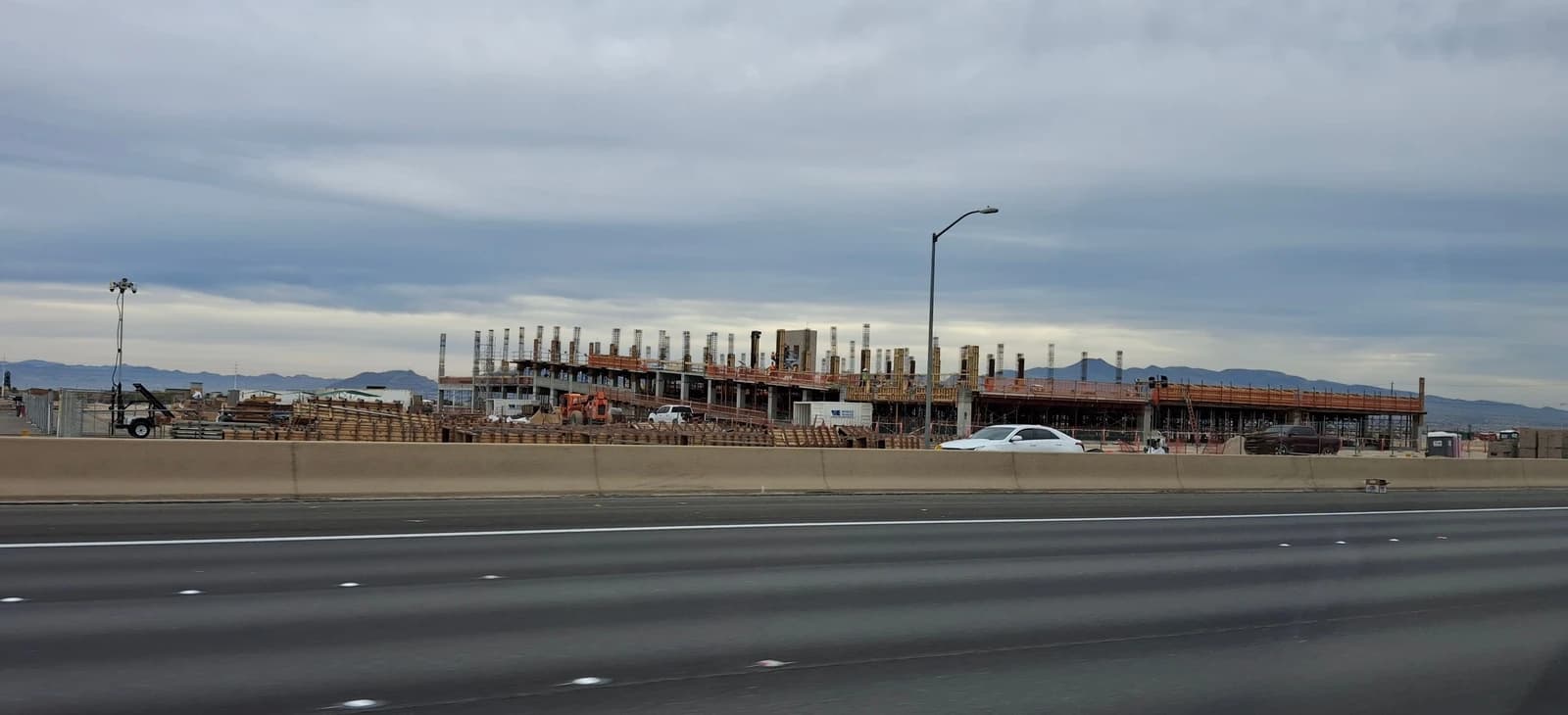
Brightline’s bankruptcy-court debt overhaul in Florida will not affect Brightline West’s planned high-speed rail line between Rancho Cucamonga and Las Vegas, keeping one of the U.S. private rail industry’s biggest projects separate from the financial strain now hitting the company’s existing train business.
Brightline West Stays Separate From Florida Debt Deal
That distinction matters because investors and local officials have been watching whether the Florida arm’s leverage problems could spill over into the West project, which is one of the few U.S. passenger rail developments still positioned as a genuine growth story. The company’s creditors have agreed to provide another $490 million in financing to Brightline Florida, but the restructuring is confined to the rail operator and certain related entities, not Brightline West.
Assured Guaranty said the package includes $350 million of new junior debt and $140 million of additional senior debt. Brightline Trains Florida LLC, which runs the Miami-Orlando service, has not filed for Chapter 11, though some other Brightline Florida entities have.
Brightline has been trying to stabilize a business model that relies on private high-yield debt to fund passenger rail in a market where ridership has not yet matched projections. The railroad said ridership rose 14% year to date through August and revenue increased 17%, but that has not been enough to eliminate the need for fresh capital.
Debtwire’s Tim Hynes said Brightline’s current ridership of about 3.5 million annual passengers, generating roughly $240 million in revenue, is less than half the riders and about one-third of the revenue projected for 2024. That gap helps explain why creditors are backstopping the Florida business and why the company has become a cautionary case for privately financed intercity rail.
For investors, the key takeaway is that Brightline West remains insulated for now. The Las Vegas project is still a long-dated infrastructure bet, but it avoids the immediate credit overhang tied to the Florida operation, preserving optionality for backers and counterparties while the company works through its balance-sheet reset.
The broader implication is that private rail projects may face tougher financing terms going forward, with lenders likely to demand more conservative ridership assumptions and more public support. Brightline’s Florida rescue may keep trains running, but it also underscores how hard it is to make privately funded passenger rail work at scale.
| Entity | Gains | Losses |
|---|---|---|
| Brightline West | ▲Project stays insulated | ▼No direct relief from Florida issues |
| Brightline Florida creditors | ▲New debt protections | ▼More exposure to weak economics |
| Rancho Cucamonga and Las Vegas project backers | ▲Financing story stays alive | ▼Carry reputational spillover risk |
| Private rail investors | ▲Clearer separation of assets | ▼Tougher future lending terms |