Buncombe County voters approved $70 million in bonds on Tuesday, giving local officials fresh borrowing capacity to tackle one of western North Carolina’s most pressing economic constraints: housing affordability.
Buncombe County Voters Approve $70M Bonds
The package splits into a $40 million affordable housing bond and a $30 million open space bond, with county leaders saying the proceeds will be drawn down as commissioners approve specific projects. The vote matters because Buncombe, home to Asheville and a fast-growing regional economy, is trying to ease a housing shortage that is pricing out workers while also preserving land and recreation assets that support quality of life and tourism.
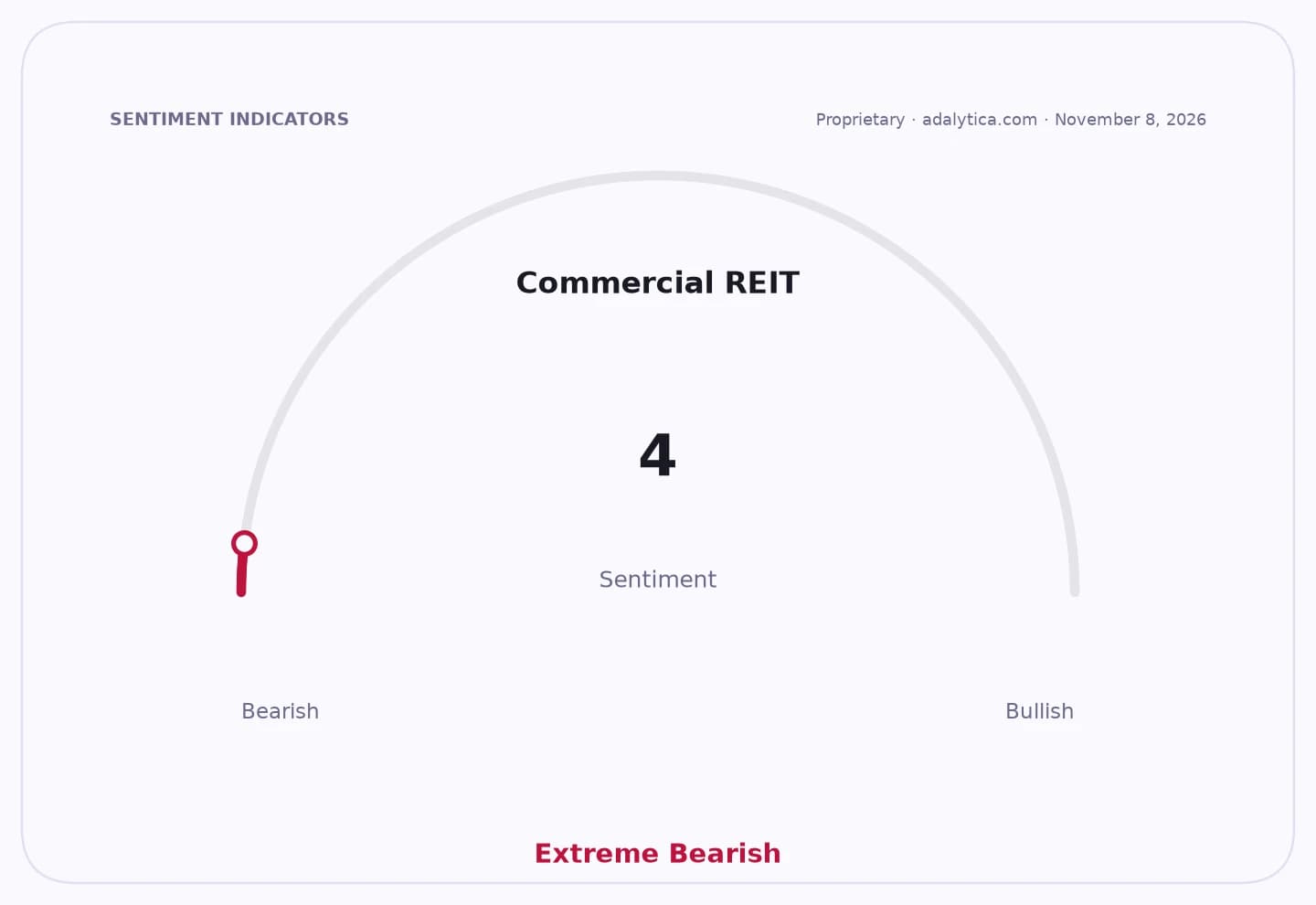
Sentiment Indicators
County officials said the housing bond will help keep Buncombe on track toward a goal of 2,250 new affordable homes by 2030. That target sits against a 2025 Asheville region housing needs assessment that found demand for 6,956 units affordable at 80% of area median income or below. For employers, the gap translates into a tighter labor market, higher wage pressure and greater difficulty attracting and retaining service, healthcare and public-sector workers.
The open space measure also has an economic angle beyond conservation. Buncombe County Commissioner Terri Wells said the bond could help conserve at least 700 acres a year, a signal that local leaders are treating greenways, trails and protected land as part of the county’s long-term infrastructure base rather than a discretionary amenity. Advocates said trail and greenway investment can support mobility, recreation and neighborhood development, while also reinforcing Asheville’s appeal as a destination.
The approval comes after Hurricane Helene made the area’s affordability strain worse, according to local advocates. That raises the stakes for how quickly the county can deploy the money into shovel-ready projects and whether nonprofit developers, land trusts and housing partners can convert the borrowing authority into actual supply. The financing itself will not solve the shortage, but it gives county government a politically backed tool to push through projects that private capital alone has not delivered.
For investors and municipal bond buyers, the result is a reminder that local governments in high-demand Sun Belt and mountain markets continue to lean on voter-approved debt to fund essential public goods. The broader backdrop remains relatively supportive for municipal credit, with benchmark muni funds holding near recent levels even as rate expectations shift. The key question now is execution: if Buncombe can translate the bond authorization into visible housing starts and conserved land, it strengthens the case for more local borrowing in similar fast-growing counties. If project delivery stalls, the vote will be remembered more as political support than economic relief.
| Entity | Gains | Losses |
|---|---|---|
| Buncombe County officials | ▲Funding authority | ▼Immediate budget pressure |
| Affordable housing nonprofits | ▲Access to bond money | ▼Scarce project pipeline without approval |
| Local workers and renters | ▲Potentially more homes | ▼Persistent affordability stress |
| Land trusts and trail advocates | ▲Conservation and recreation funds | ▼Development pressure on open space |