Collin County voters are leaning against an $817.5 million bond package that would finance schools, roads and other public works in one of Texas’ fastest-growing counties, a sign residents may be growing more cautious about debt even as population growth keeps pressure on local infrastructure.
Collin County Bond Vote Faces Weak Support
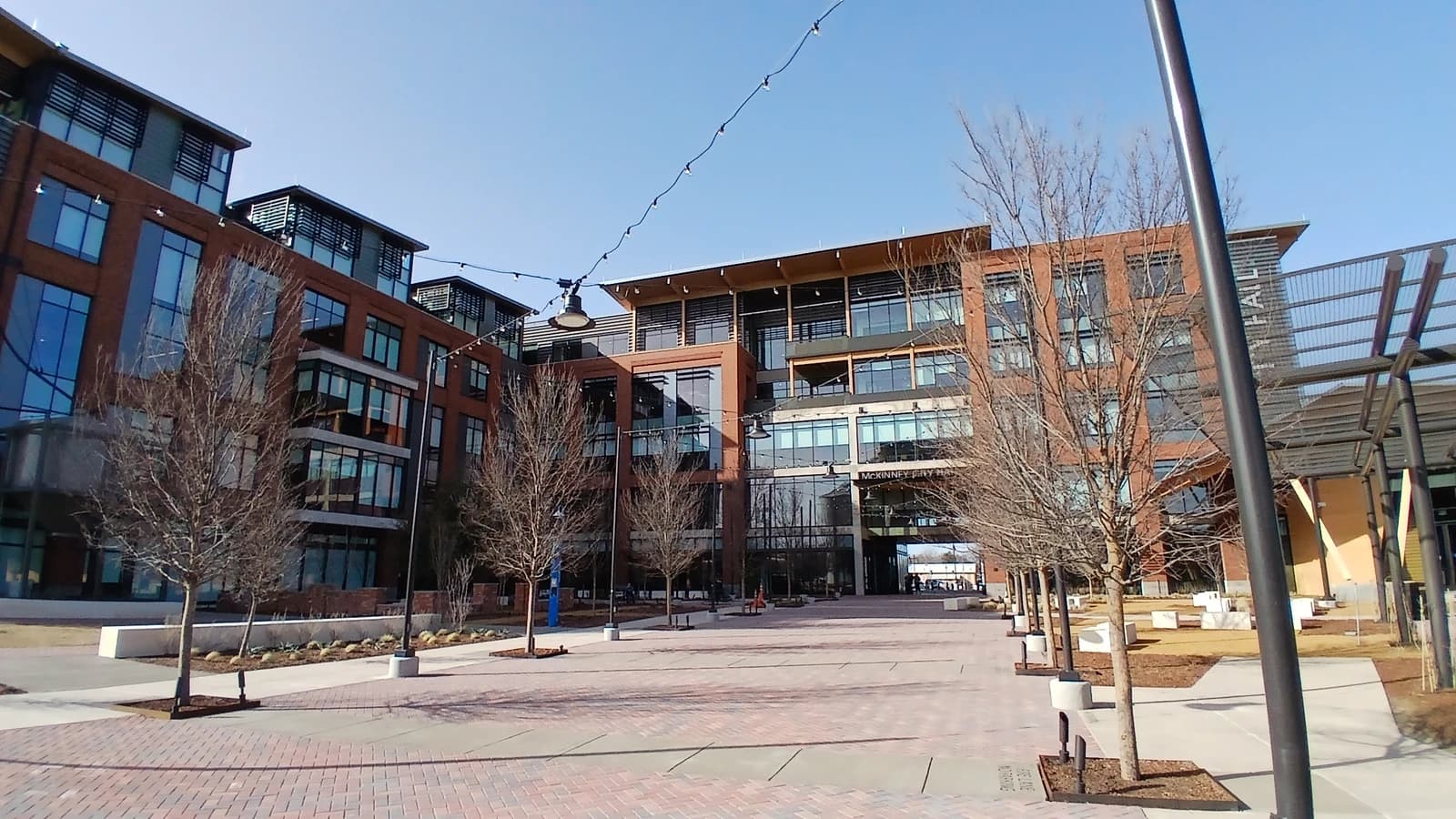
The vote matters because Collin County sits at the center of North Texas expansion, where new housing, schools and transportation links are often financed through local bond sales. A rejection would force officials to rethink how to pay for growth at a time when borrowing costs remain elevated and taxpayers are more sensitive to higher bills.

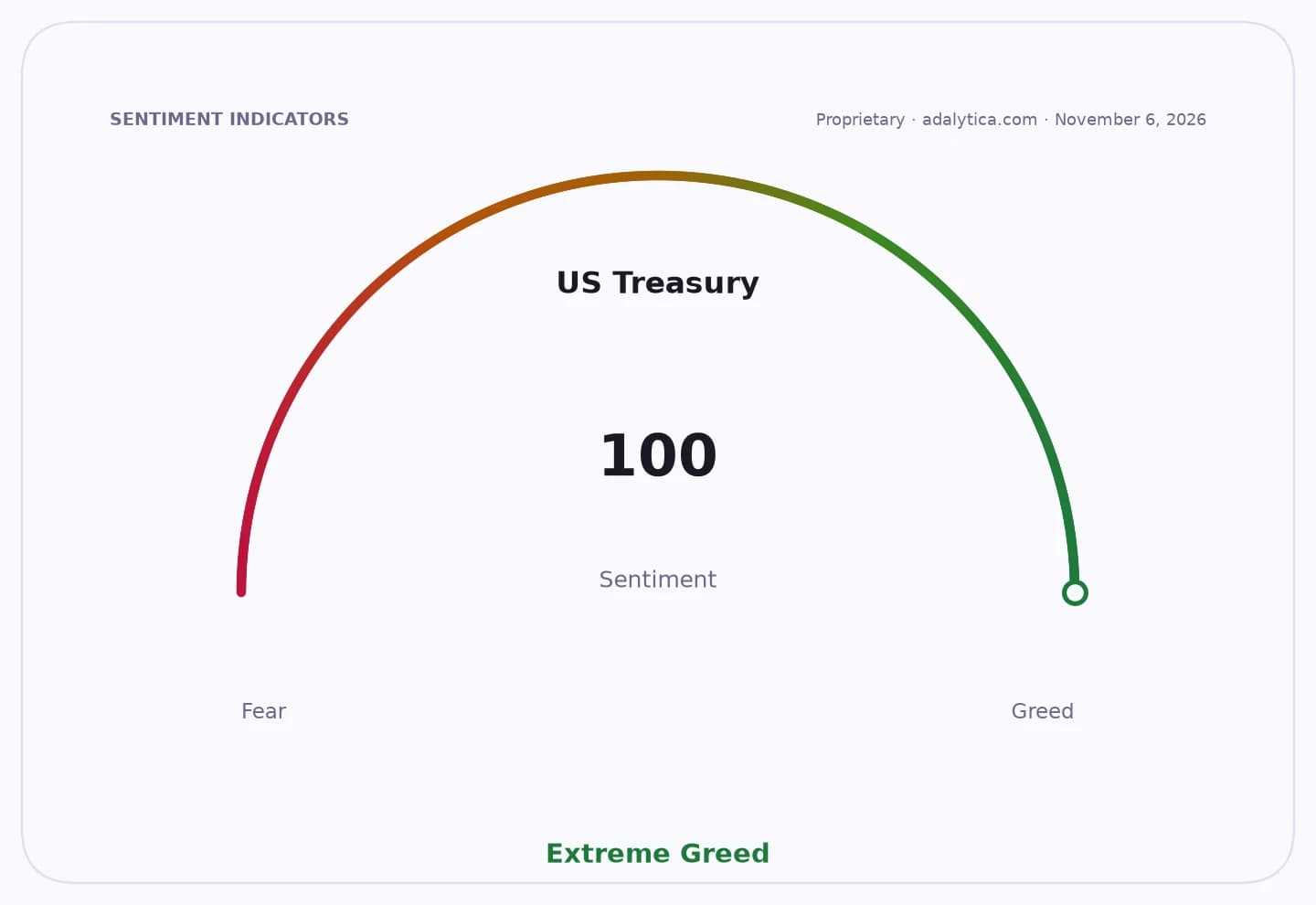
The broader backdrop is a still-tight funding environment. U.S. Treasury yields have surged after the midterm election, reinforcing the cost of borrowing for municipalities and school districts that rely on the bond market. Higher yields make large packages more expensive to issue and can damp appetite for new debt, especially when voters are already wary of rising property taxes.
That pressure lands in a county where the housing market has cooled from peak levels but remains far above pre-pandemic norms. The S&P CoreLogic Case-Shiller index for Dallas-area homes has held at 336.741 in August after a rapid run-up since 2019, underscoring that affordability remains stretched even before any new tax burden tied to bond financing.
Economic conditions are mixed but not recessionary. National unemployment was 4.2% in September, near full-employment levels, which helps support local tax bases, but it also means county leaders must persuade voters to support borrowing without leaning on a broad labor-market crisis as justification.
For investors, the immediate issue is not a traded security but the signal. A weak showing for the bond package would suggest local resistance to debt-financed growth could spill into future municipal borrowing votes across fast-growing Texas suburbs, even as demand for infrastructure keeps climbing.
The market impact is more direct for municipal-credit participants. Fewer approvals can slow the pipeline of new local issuance, while failed votes may push governments toward phased projects, delayed construction or alternative financing that can be more expensive and less predictable.
The outcome will also be watched by school and municipal bond buyers looking for clues about political support for public debt in high-growth counties. If the package falls short, officials may return with a narrower proposal, but the next test will likely come against the same backdrop of higher rates, tax fatigue and stubbornly high housing costs.
| Entity | Gains | Losses |
|---|---|---|
| Collin County taxpayers | ▲Lower near-term tax burden | ▼Deferred school and road projects |
| County officials and districts | ▲— | ▼Funding plans and credibility |
| Municipal bond buyers | ▲Possible tighter supply | ▼More uncertainty on issuance pipeline |
| Fast-growing North Texas communities | ▲— | ▼Slower infrastructure buildout |