California’s bond habit is becoming more expensive, and that matters because every dollar borrowed for a ballot-box promise is a dollar taxpayers eventually have to repay with interest.
California bond costs rise with election borrowing
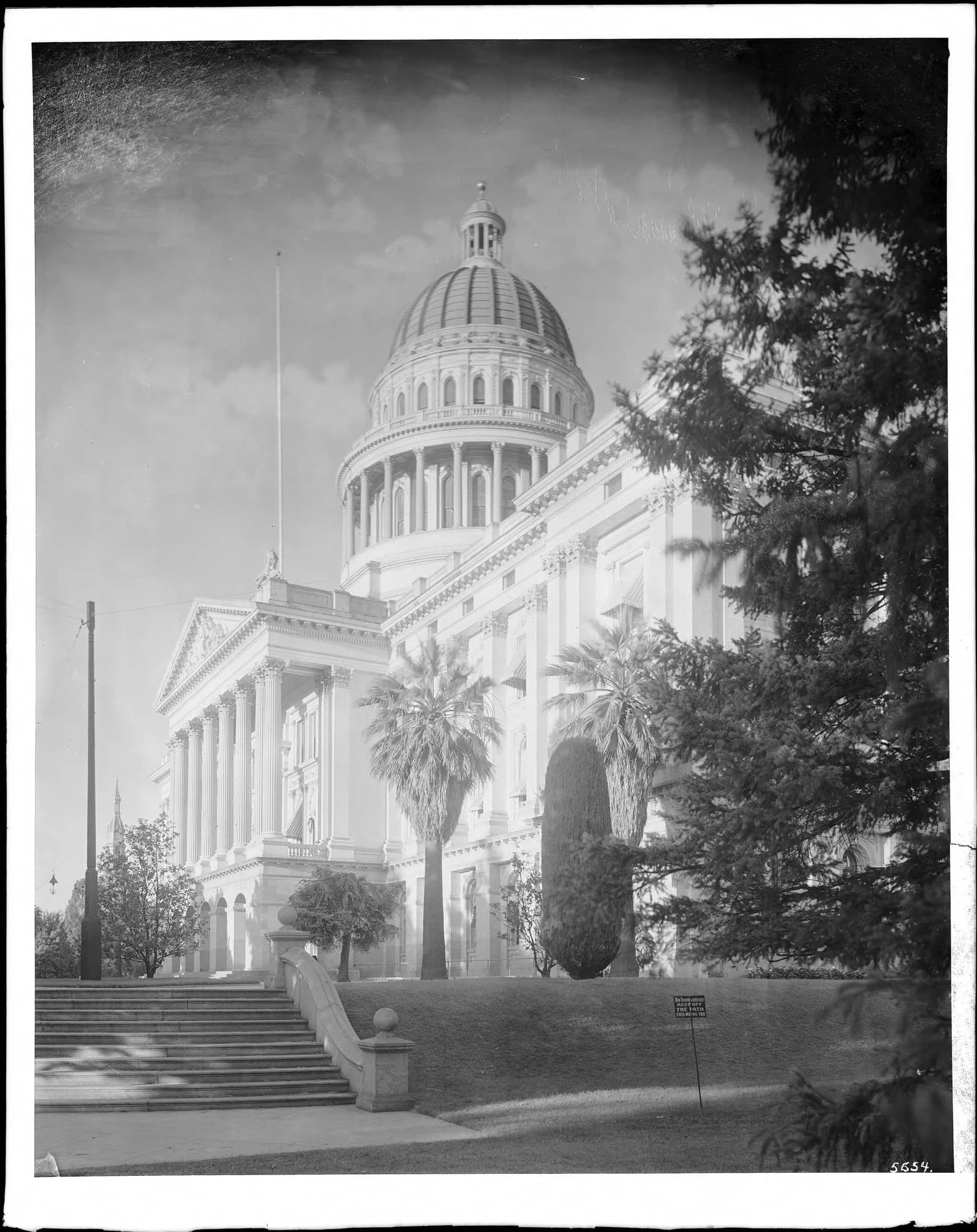
That is the real issue behind this election season’s bond questions, including Proposition 1’s $11.25 billion housing package and Proposition 38’s $8.4 billion for medical research. These measures are sold as painless funding for worthy causes, but the state already carries about $80 billion in general-obligation bonds and pays roughly $6 billion a year to service them, with another $40 billion in borrowing authority already approved. This is not abstract accounting. It is a long-term claim on California’s future budget.
Sentiment Indicators
For investors, the lesson is simple: debt is never free, even when it is approved at the ballot box. California can use bonds for genuinely essential projects, and the case for fixing dams is much stronger than the case for boutique spending. A state auditor recently found 57 dams in poor or unsatisfactory condition, threatening 1.5 million people and potentially exposing the state to billions of dollars in damage if one failed. That kind of infrastructure is precisely what long-dated borrowing should support. But when the money is directed toward subsidized housing schemes or earmarked research projects, the return is far less certain and the fiscal burden is still very real.
The cost of carrying that debt is rising in a higher-rate world. The 10-year Treasury yield is hovering around 4.9% and the 2-year around 4.6%, levels that make long-term borrowing more expensive than it was during the era of ultra-low rates. Municipal and state issuers cannot ignore that backdrop. California’s obligations are already crowding future budgets, and the more debt service absorbs, the more pressure builds for higher taxes or other cuts to balance the books.
That is why the state’s bond machine deserves more scrutiny than it usually gets. These measures often attract heavy spending from interested private groups, which helps explain why they can sail through without much resistance. But voters should ask a basic question: should this project be funded through normal budgeting, where lawmakers have to make tradeoffs, or by tapping taxpayers for decades of interest payments?
Long term, California will still need to borrow for roads, water systems and other core public assets. But investors and voters alike should be wary of turning the state’s balance sheet into a funding source for every politically popular idea. The safest rule is the oldest one: use debt for lasting public necessities, not for every shiny proposal on the ballot.
| Entity | Gains | Losses |
|---|---|---|
| California infrastructure projects | ▲Long-lived funding | ▼Underfunding risk |
| California taxpayers | ▲Essential repairs, if prioritized | ▼Higher debt service |
| Developers and grant recipients | ▲Access to bond money | ▼Less scrutiny if measures fail |
| California budget discipline | ▲More pressure to prioritize | ▼Erosion from earmarked borrowing |