Bulgaria posted the European Union’s biggest annual increase in industrial producer prices in September, underscoring how persistent energy costs are feeding through manufacturing and export sectors even as broader industrial activity remains subdued.
Bulgaria producer prices rise on energy costs
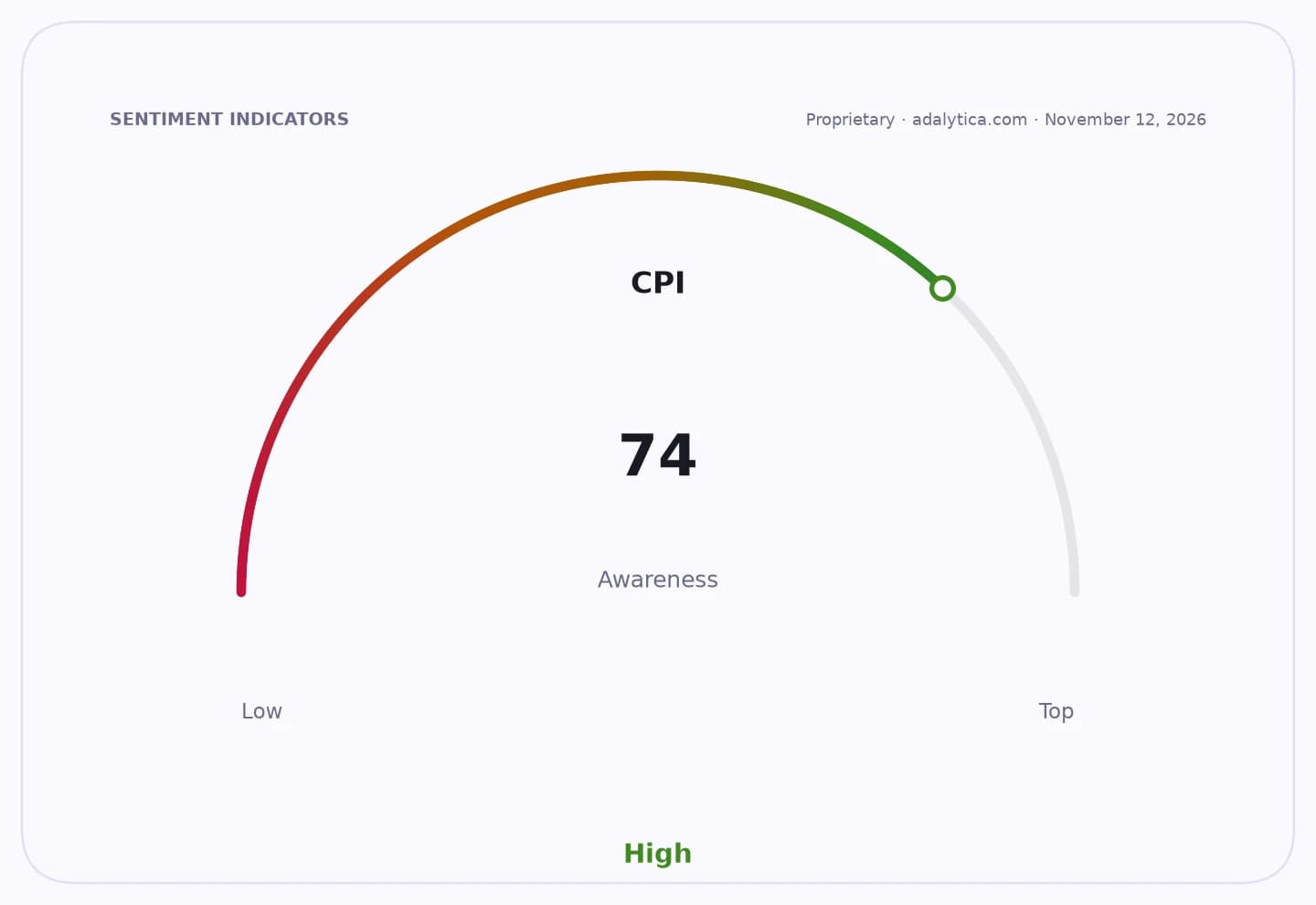
CPI
The rise matters because producer prices are often an early warning for consumer inflation and corporate margins. In an economy still sensitive to imported fuel and gas costs, a sharp increase in factory-gate prices can squeeze domestic producers, lift input costs for downstream firms and delay the kind of disinflation policymakers need to see before easing financial conditions.
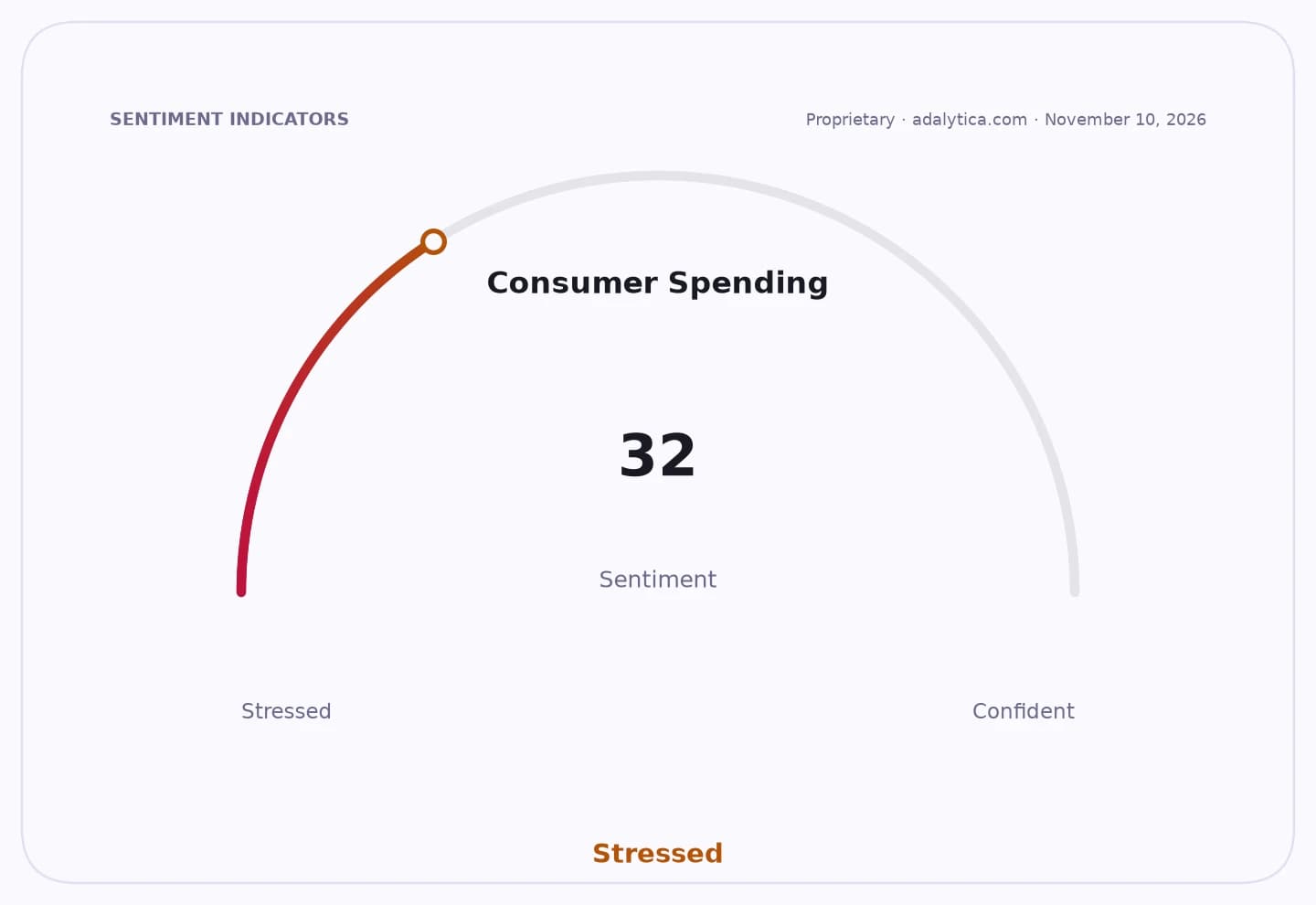
Sentiment Indicators
The EU-wide backdrop helps explain the move. Energy markets have stayed tight, with diesel, fuel and European gas prices supported by geopolitical tensions and low inventory levels heading into winter. That has kept the industrial cost base elevated across the bloc, but Bulgaria’s increase stands out as the steepest annual gain in September, suggesting local producers are more exposed than many of their peers to imported energy and supply shocks.
At the same time, industrial output is not providing much offset. The latest production data point to only modest growth, implying firms are facing higher prices without a correspondingly strong demand environment. That combination is usually uncomfortable for equities and credit: margins get squeezed if companies cannot pass costs through, while a weak production backdrop reduces the chance of volume growth compensating for inflationary pressure.
For investors, the key question is whether the producer-price surge is a one-off energy-driven spike or the start of a broader second-round inflation effect. If higher factory costs filter into consumer prices, it could keep real interest rates restrictive for longer and limit room for policy support. If energy prices stabilize, the jump may prove more temporary, but companies in transport, chemicals, metals and other energy-intensive industries would still face near-term earnings pressure.
The next few months will show whether Bulgaria’s industrial inflation is peaking with the latest energy shock or becoming embedded in the region’s cost structure. Either way, September’s reading reinforces that the inflation story in Europe has not fully faded, especially at the producer level where margins are felt first.
| Entity | Gains | Losses |
|---|---|---|
| Energy producers | ▲Higher selling prices | ▼Little immediate downside |
| Bulgarian manufacturers | ▲Potential pass-through opportunity | ▼Higher input costs |
| Consumers | ▲None immediately | ▼Risk of higher retail inflation |
| Policymakers | ▲Better inflation signal | ▼Less room to ease rates |