Croatia’s annual inflation accelerated to 4.9% in October, underscoring how persistent price pressure is still constraining household purchasing power and complicating the central bank’s policy path.
Croatia inflation rises to 4.9% in October
The flash reading points to an economy that has not fully shaken off inflation even as broader euro-area price growth has eased. For consumers, the latest move means wages are still struggling to catch up with living costs, especially in services and other domestically driven categories. For policymakers, it raises the risk that inflation will remain above target for longer than hoped, keeping interest rates restrictive and limiting room to support growth.
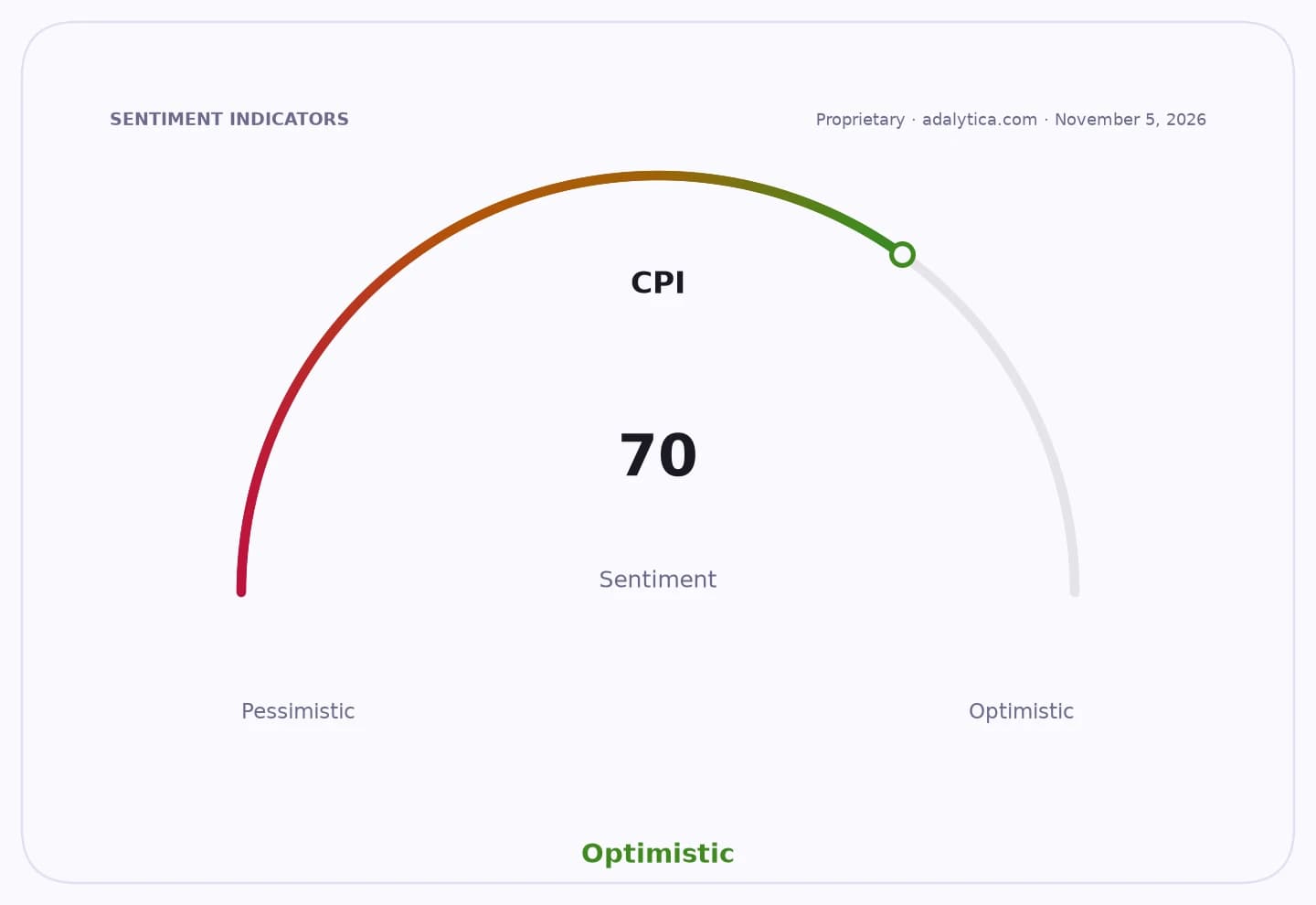
Sentiment Indicators
The October pace marks a firm pickup from 4.5% in the previous month and leaves inflation well above levels consistent with price stability. Core pressure also appears entrenched: the trimmed snapshot suggests underlying inflation is running at 4.1%, only slightly below headline, which is a warning sign that the rise is not being driven by volatile energy or food alone. That matters because sticky core inflation is harder to reverse and typically forces central banks to stay cautious.
For investors, the implication is twofold. First, domestic demand-sensitive assets could stay under pressure if borrowing costs remain elevated and real household incomes fail to improve decisively. Second, inflation persistence can weigh on local bond markets by delaying any expectation of policy easing. In practical terms, that supports yields relative to a lower-inflation scenario and can also keep equities exposed to weaker consumer spending and margin pressure.
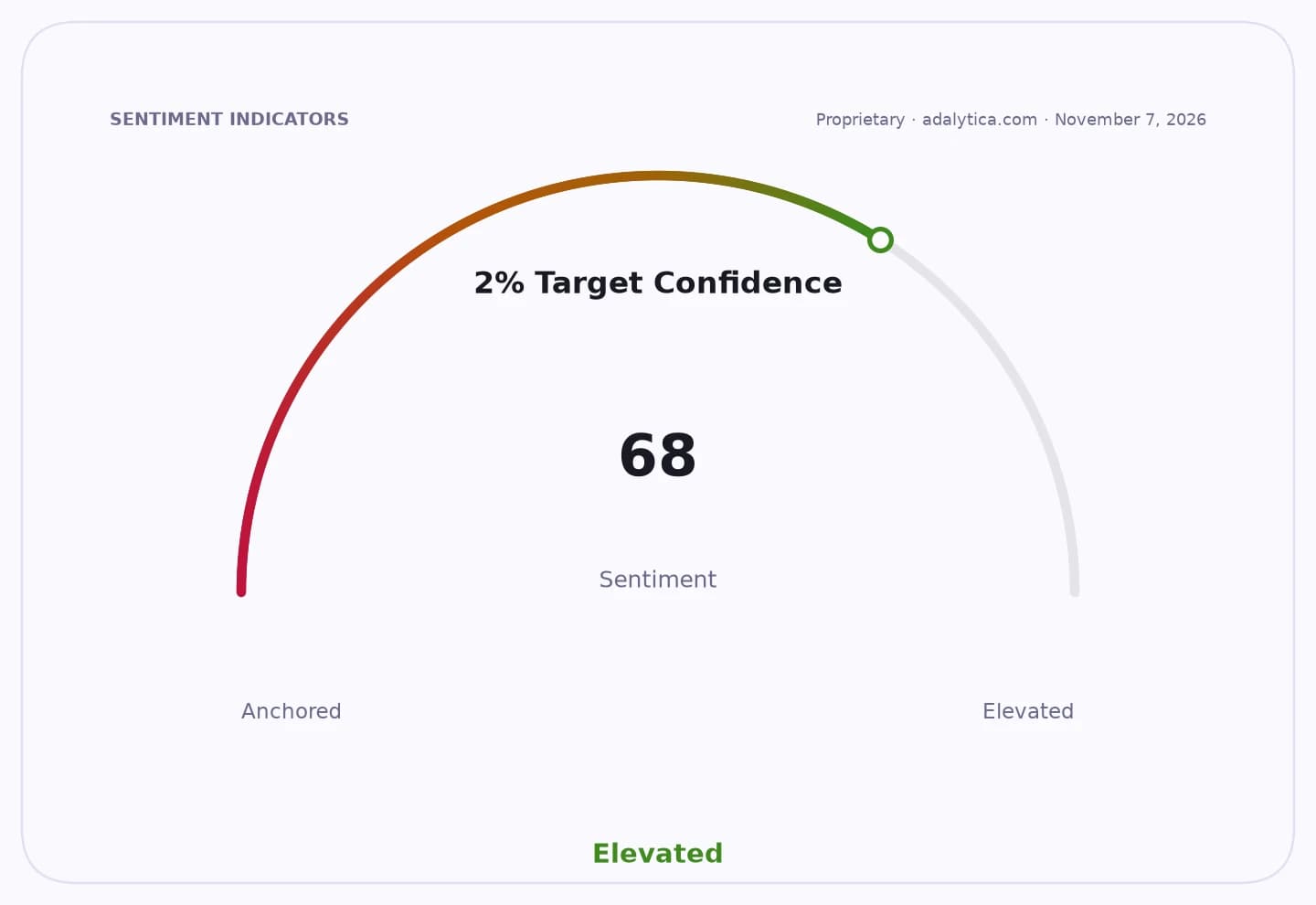
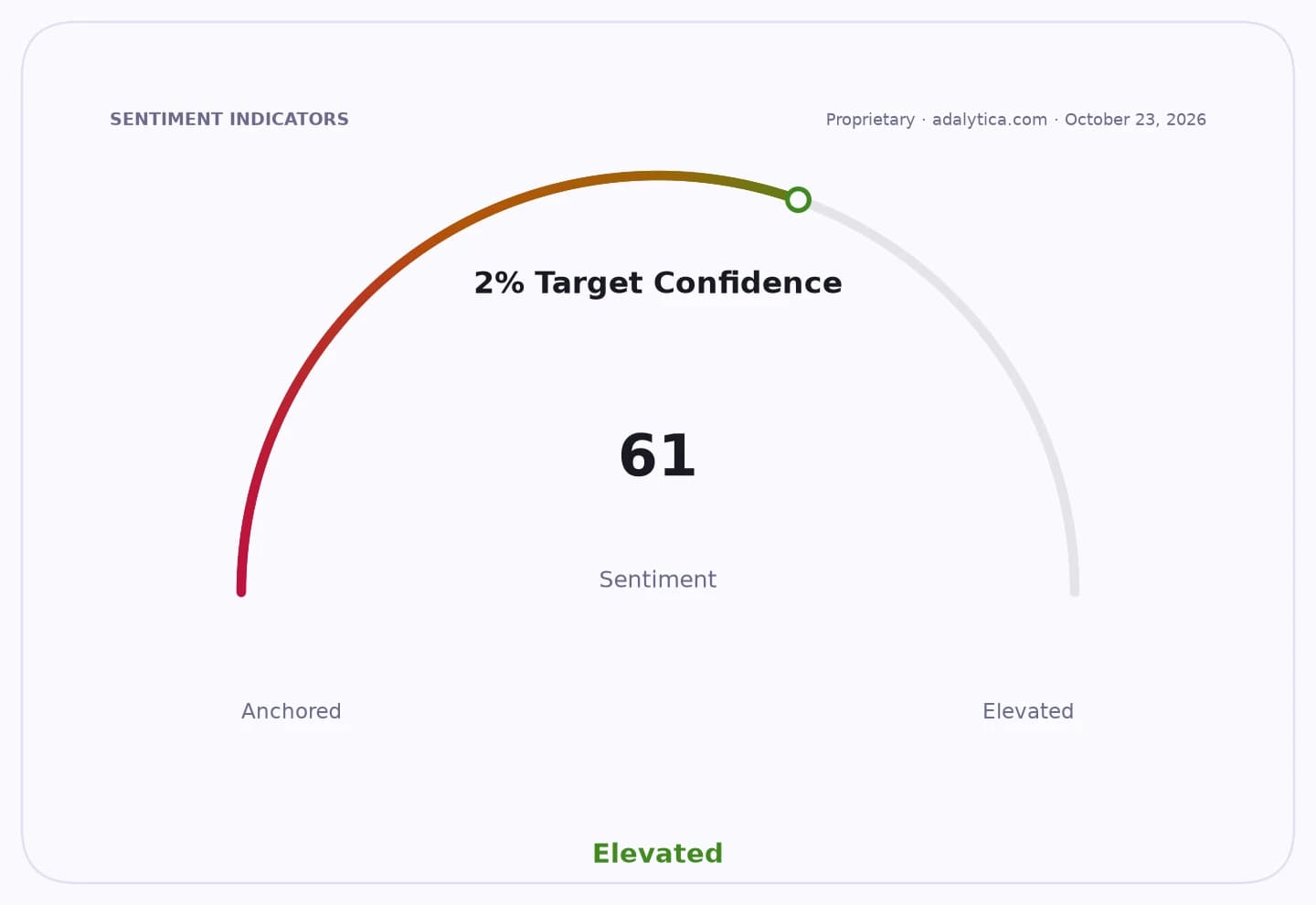
Long-term Inflation Expectations
There are some offsetting factors. Croatia’s economy continues to benefit from euro-area integration, tourism-linked receipts and relatively resilient corporate earnings in selected sectors. Janaf, the state-controlled oil pipeline operator, reported a 5.7% rise in net profit for January-September, showing that parts of the corporate sector are still generating earnings growth despite the inflation backdrop. But strong individual results do not change the broader macro picture: inflation is still the key variable shaping real demand, policy expectations and market pricing.
The next test will be whether October proves to be a one-month flare-up or the start of a broader re-acceleration. If wage growth, services inflation or imported price pressures remain firm into year-end, Croatia’s inflation premium could persist, keeping pressure on policymakers and limiting upside for rate-sensitive assets.
| Entity | Gains | Losses |
|---|---|---|
| Croatian exporters | ▲Stronger nominal pricing | ▼Higher local cost base |
| Households | ▲None | ▼Eroded real incomes |
| Central bank hawks | ▲Policy caution validated | ▼Dovish easing case weakened |
| Rate-sensitive borrowers | ▲None | ▼Higher-for-longer borrowing costs |