Estonia’s annual inflation slowed to 3.1% in September, a reminder that the euro area’s price pressures are still cooling even if they are not yet gone.
Estonia inflation slows to 3.1% in September
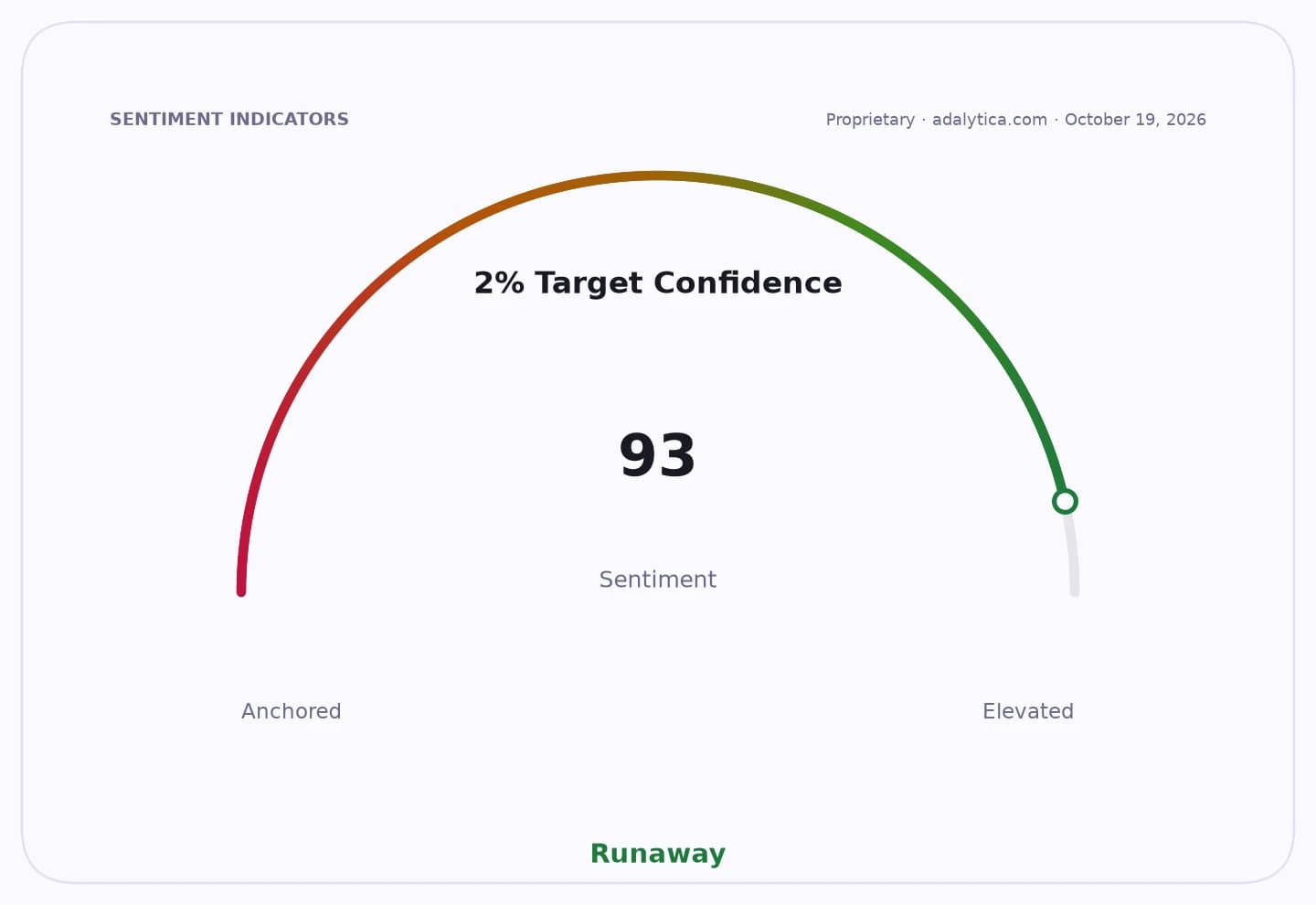
2% Target Confidence
That matters because inflation is the key input for central banks, wage negotiations and bond markets. A reading around 3% is still above the European Central Bank’s 2% target, but it is a lot more manageable than the double-digit spikes Europe saw in the recent inflation shock. For investors, the direction is as important as the level: a softer inflation trend generally reduces the pressure for more aggressive interest-rate hikes and supports longer-duration assets such as government bonds and growth stocks.
Sentiment Indicators
The biggest driver in Estonia was transport, which rose 12.4% from a year earlier. Housing costs climbed 7.3%, while alcohol and tobacco prices increased 6.6%. Health care rose 2.6%, and accommodation and food services were up 2.2%. Those details suggest the inflation story is still being driven by essentials and services rather than a broad new burst of demand.
That matters for households because transport and housing are hard to cut back on. When those categories keep rising, disposable income gets squeezed, and consumption can cool. For businesses, especially in travel, hospitality and consumer services, higher costs can make pricing power look stronger on paper while pressuring volumes underneath.
The broader macro message is that Estonia is moving in the right direction, but not fast enough to give policymakers complete comfort. Inflation above target leaves the ECB room to stay cautious, especially if wage growth remains firm across the region. Investors should read this as a sign that the European disinflation process is intact, but still vulnerable to energy, transport and services inflation.
For long-term investors, the takeaway is simple: falling inflation is constructive for both bonds and equities, but the path back to target may be uneven. That makes diversified portfolios and patience more valuable than trying to guess every monthly data point. Estonia’s September reading is worth watching, but not chasing.
| Entity | Gains | Losses |
|---|---|---|
| Consumers | ▲Slower price pressure | ▼Still-higher transport and housing costs |
| ECB / policymakers | ▲More room to pause | ▼Less urgency to cut rates quickly |
| Bond investors | ▲Easier inflation outlook | ▼Near-term policy uncertainty |
| Transport and services firms | ▲Ability to raise prices | ▼Demand risk from squeezed households |