Public employees at seven Bulgarian state institutions begin rolling one-hour strikes on Nov. 23, escalating pressure on the government to lift monthly pay by a fixed 350 euros as labor unrest spreads across Europe’s public sector.
Bulgarian state workers begin rolling strikes over pay

The action matters because it targets agencies that sit at the core of the state’s administrative and welfare machinery, raising the risk of slower service delivery and a broader wage dispute in a country where public-sector pay has already become a political flashpoint. The strike is being staged in Sofia and other cities through Dec. 1, extending the threat of disruption for more than a week.
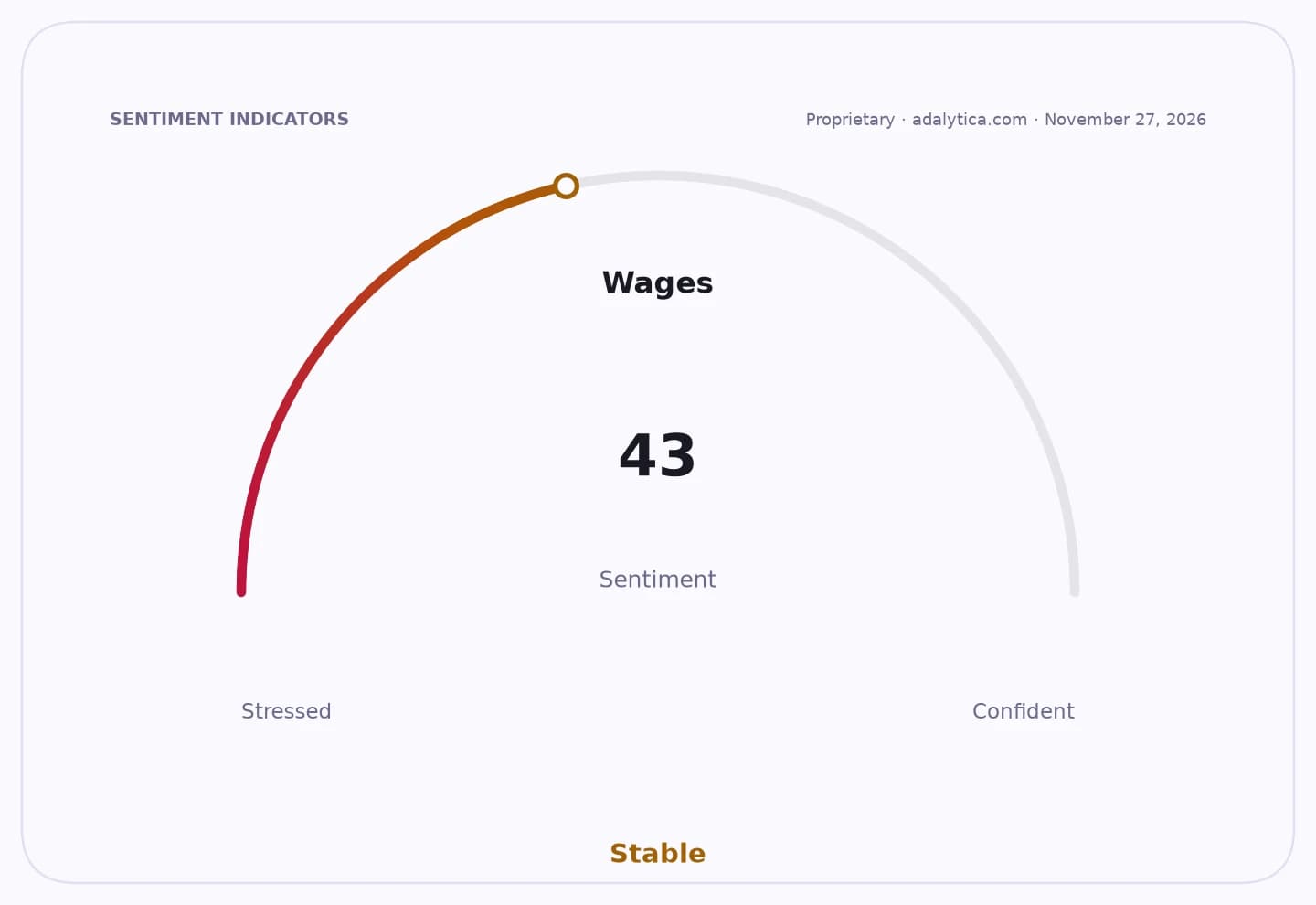
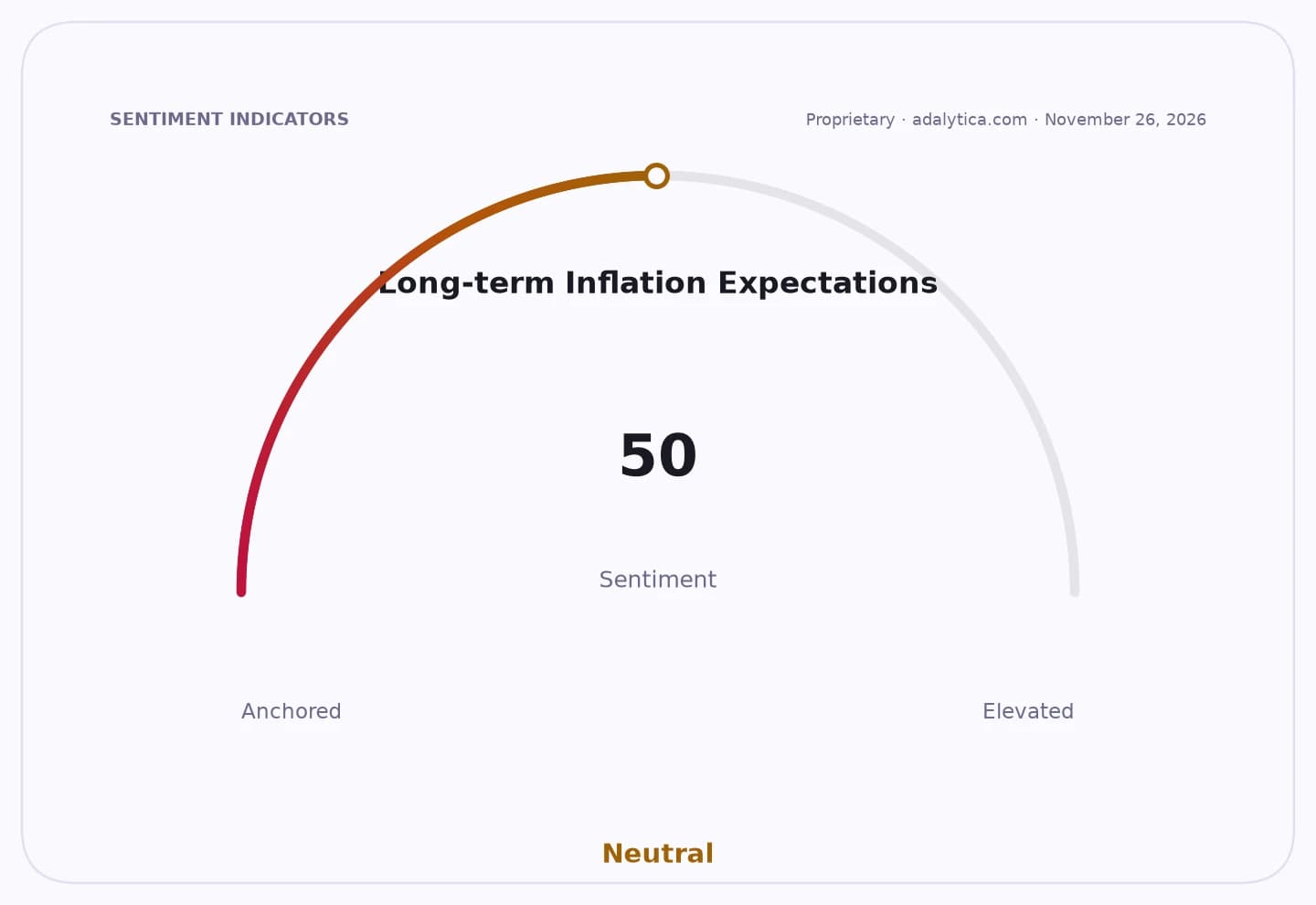
Sentiment Indicators
Job Market
The organizer, the “Podkrepa” administrative workers’ union, says low pay, widening pay gaps and unequal treatment inside the state administration have left civil servants behind inflation and other public workers. Employees from the Social Assistance Agency, Employment Agency, General Labor Inspectorate, Registry Agency and the Geodesy, Cartography and Cadastre Agency are taking part, along with staff from the National Statistical Institute and the National Social Security Institute.
For investors, the immediate market impact is limited, but the dispute reinforces a broader European labor trend that can push governments toward higher recurrent spending and tighter budget choices. Public-sector pay demands also matter for inflation-sensitive policymakers because permanent wage increases can feed into services costs and complicate fiscal planning.

The strike also lands against a weak labor backdrop. Adalytica’s Job Market Sentiment gauge sits at 11, in “Extreme Fear,” while its Consumer Confidence Recession Sentiment reading is 18, in “Fear,” suggesting households and workers remain under pressure even as unions press for higher pay.
Further escalation would likely come if talks stall before the Dec. 1 end point, with the next focus on whether Sofia responds with a pay offer or faces a longer, wider shutdown of administrative services.
| Entity | Gains | Losses |
|---|---|---|
| Bulgarian public workers | ▲Higher wage leverage | ▼Lost pay during strike |
| Government / ministries | ▲Chance to negotiate | ▼Service disruption, budget pressure |
| Citizens and businesses | ▲Potential long-term reform | ▼Delays in public services |
| Other European unions | ▲Stronger precedent | ▼Tighter government wage resistance |