The Bund future is firmer in early Thursday trade, rising 16 ticks to 121.57, as investors continue to position for a period of elevated global bond-market volatility led by a recent surge in U.S. Treasury yields.
Bund Future Rises 16 Ticks to 121.57
The move comes against a backdrop of persistent pressure in the world’s largest bond market, where longer-dated U.S. yields have climbed sharply in recent sessions on worries over heavy federal borrowing and the path of Federal Reserve policy. That has kept duration-sensitive government debt under scrutiny across Europe, with German futures often acting as a quick read on how much safety demand is flowing back into core euro zone bonds.
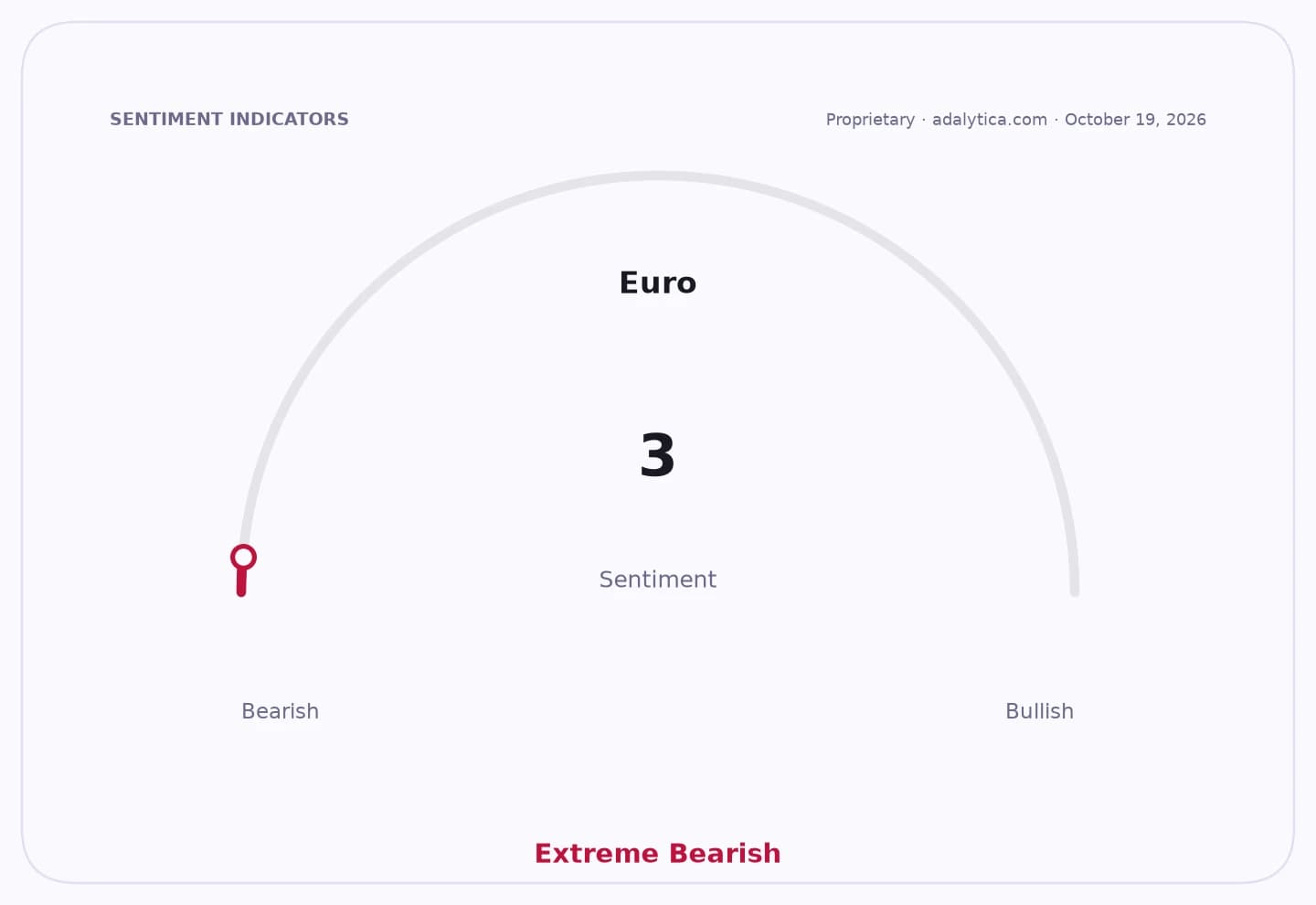
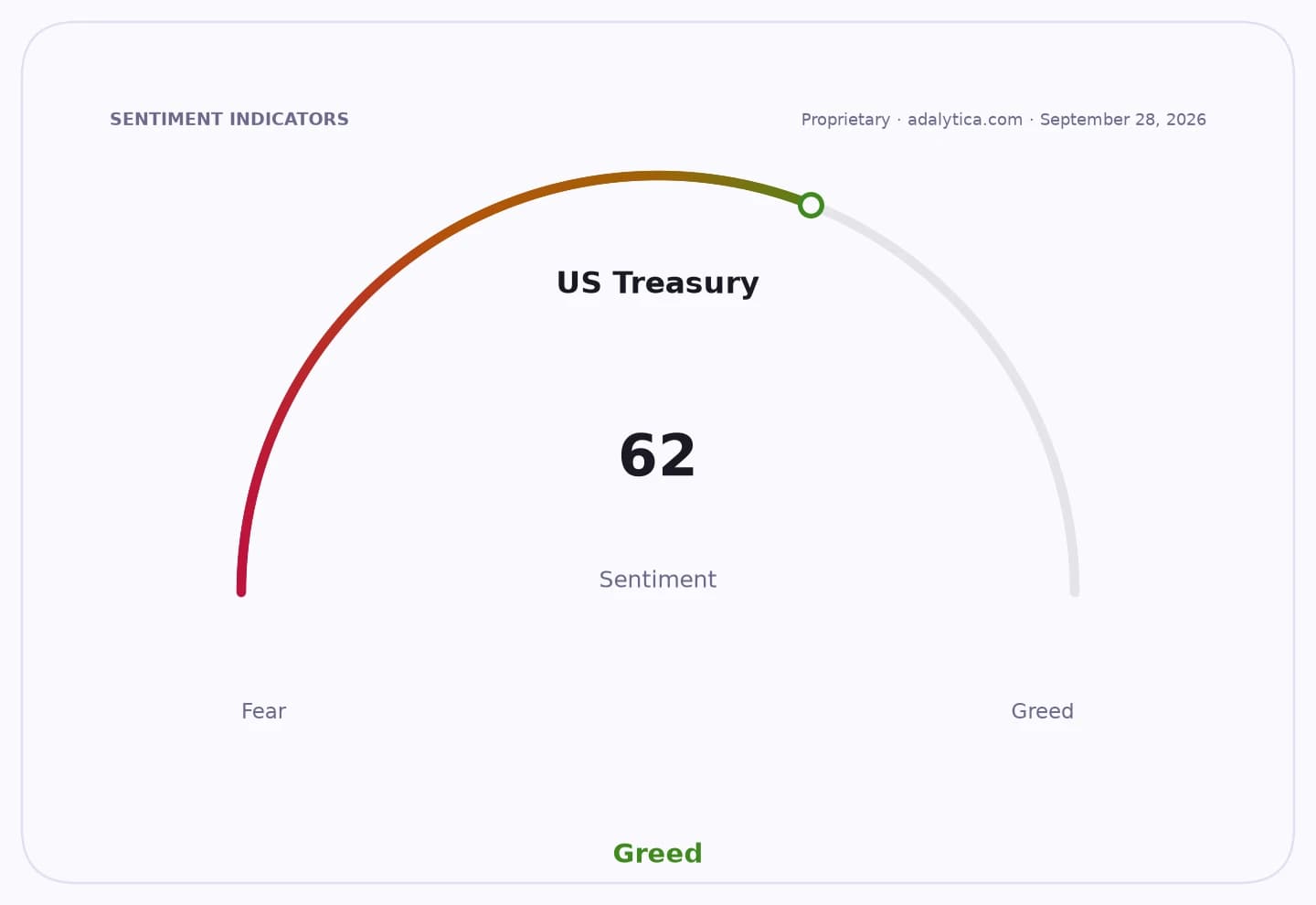
Sentiment Indicators
The Bund contract traded between 121.4 and 121.6 in early dealings, with about 10,403 contracts changing hands. The modest rise points to a cautious bid for euro zone sovereign debt even as markets remain focused on whether higher U.S. rates will stay elevated long enough to tighten financial conditions globally.
For investors, the move matters because Bunds remain a benchmark for pricing borrowing costs across the euro zone and a key haven when global risk appetite fades. A firmer Bund future can signal demand for safety, but it can also reflect expectations that German and euro area yields may lag the U.S. move if growth and inflation in Europe stay softer.
Treasury market swings have already spilled into currencies and other assets, helping underpin the dollar and adding to pressure on rate-sensitive trades. In that setting, the Bund’s early firmness suggests traders are still hedging against further volatility rather than committing to a clear directional view.
The next catalyst is the Federal Reserve decision, which could either reinforce the recent rise in global yields or ease some of the pressure if policymakers sound less hawkish than the market fears.
| Entity | Gains | Losses |
|---|---|---|
| Bund bulls | ▲Safe-haven demand | ▼Yield upside |
| German borrowers | ▲Lower funding costs | ▼Higher financing costs |
| U.S. Treasury bears | ▲None | ▼Price pressure |
| Euro zone exporters | ▲Softer domestic rates | ▼Stronger euro risk |