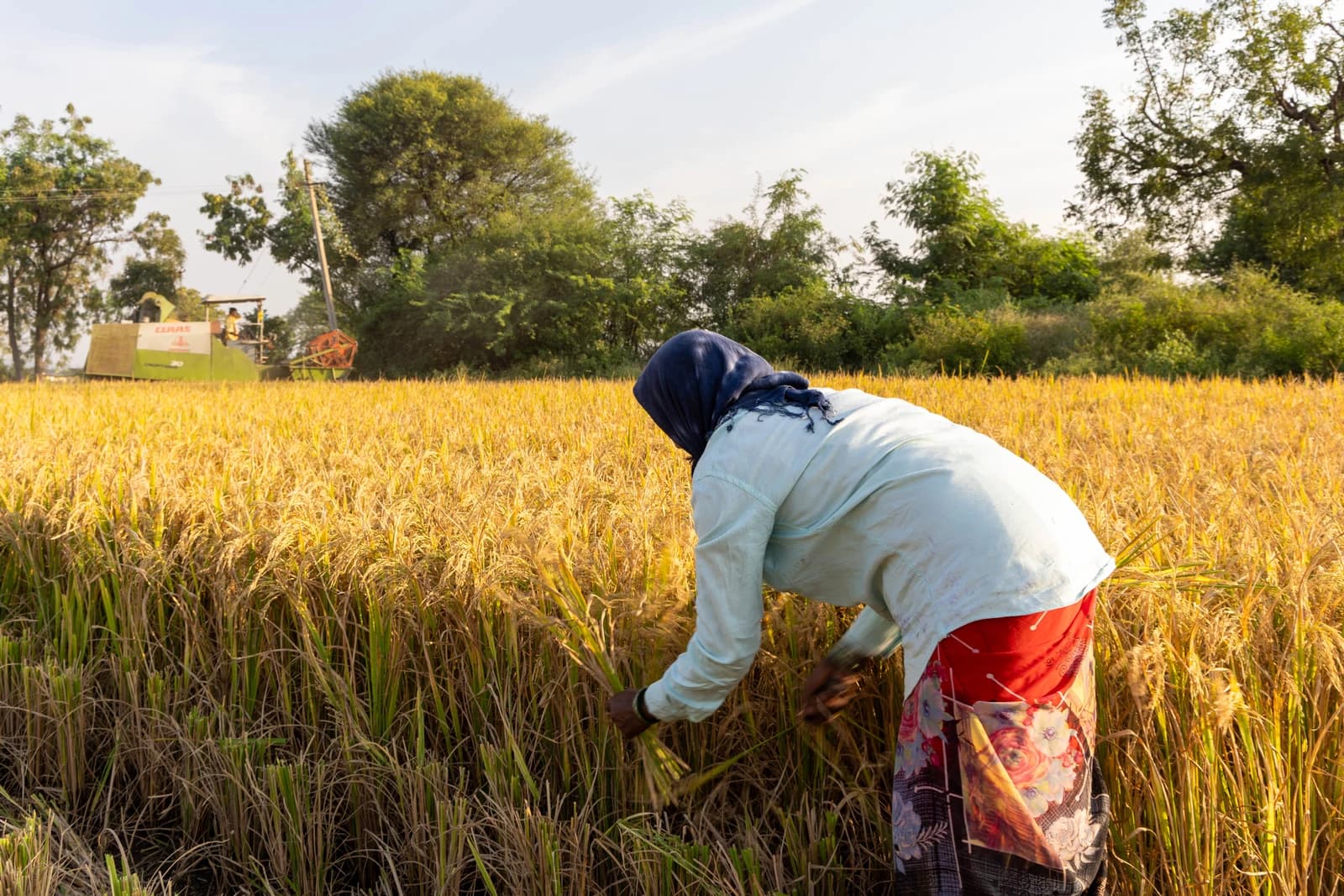
Farmers in Cà Mau are heading into the summer-autumn rice harvest with shrinking margins, as a sharp drop in paddy prices and still-elevated input costs turn what should be a profitable crop into a break-even or losing proposition.
Cà Mau Rice Prices Fall as Input Costs Rise
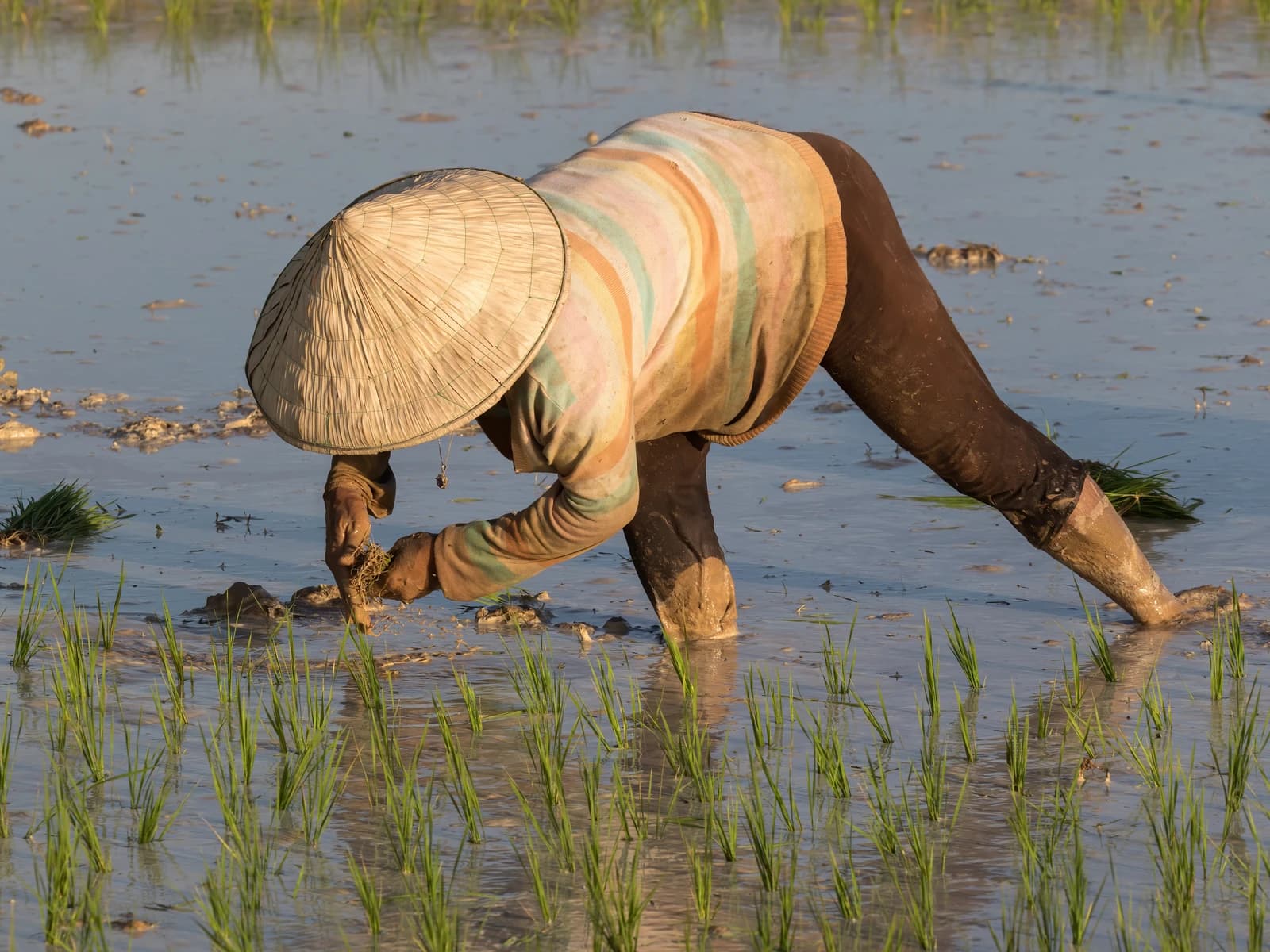
That matters because rice is more than a seasonal crop in the Mekong Delta: it is the cash flow that pays household bills, services debt and supports rural spending across one of Vietnam’s most important farm belts. When farmgate prices fall faster than fertilizer and pesticide costs, the pain spreads beyond individual growers to traders, cooperatives, lenders and local economies that depend on a healthy harvest.
The clearest warning comes from farmers on the ground. One grower, Trần Thanh Trong, said five hectares of ST24 rice produced only about 5 million dong in profit after costs, far below the more than 30 million dong he had expected. Another farmer, Lữ Minh Hiệp, said he was effectively locked into selling even as prices fell, because waiting longer risked crop damage from rain and lodging.
Industry data in Cà Mau shows why the pressure is so severe. As the province moved into peak summer-autumn harvesting, ST24 and ST25 rice were quoted at 6,200 to 6,500 dong a kilogram, down as much as 1,300 dong from earlier levels. Other common varieties such as Đài Thơm 8 and OM18 were trading at 5,600 to 5,800 dong a kilogram, down up to 1,000 dong. At the same time, fertilizer prices rose by roughly 200,000 dong a bag for some products, while crop-protection chemicals also climbed.
The squeeze is hitting a province with scale. Cà Mau has more than 185,000 hectares of rice land and annual output of about 1.8 million tons. In the 2026 summer-autumn crop alone, farmers planted more than 93,500 hectares, and more than 13,300 hectares had already been harvested, with yields around 5.9 tons per hectare. But high output does not protect incomes when prices weaken at the same time costs rise.
For investors, the story is a reminder that agriculture is ultimately a margin business. Rice prices can support rural consumption when they are firm, but when they collapse, the pain can show up in everything from farm equipment demand to local credit quality and spending on essentials. The pressure also underscores why agricultural supply chains with stronger pricing power, better contract structures and lower exposure to spot-market swings tend to be more resilient over time.
Cà Mau’s officials are urging farmers to cut input costs and rely more on production links between companies, cooperatives and growers. That is the right long-term direction. Contract farming can reduce dependence on middlemen, improve traceability and stabilize incomes, especially if companies supply seed, technical support and guaranteed offtake. The province is also pushing a broader program for 1 million hectares of high-quality, low-emission rice in the Mekong Delta, with a goal of 5,000 hectares in 2026 and 54,680 hectares by 2030.
For long-term investors, that points to a bigger theme: the future winners in Asian agriculture will likely be the businesses that help farmers produce more efficiently, sell more predictably and protect margins across the cycle. Until then, Cà Mau’s farmers remain exposed to the old problem of too much price risk and too little bargaining power. Worth watching.
| Entity | Gains | Losses |
|---|---|---|
| Cooperatives and rice companies | ▲More contract farming | ▼Spot-price volatility |
| Farmers with off-take deals | ▲More stable income | ▼Open-market growers |
| Consumers | ▲Better traceability | ▼Higher near-term food costs if supply tightens |
| Input suppliers | ▲Demand for efficient services | ▼Volume risk from farm losses |