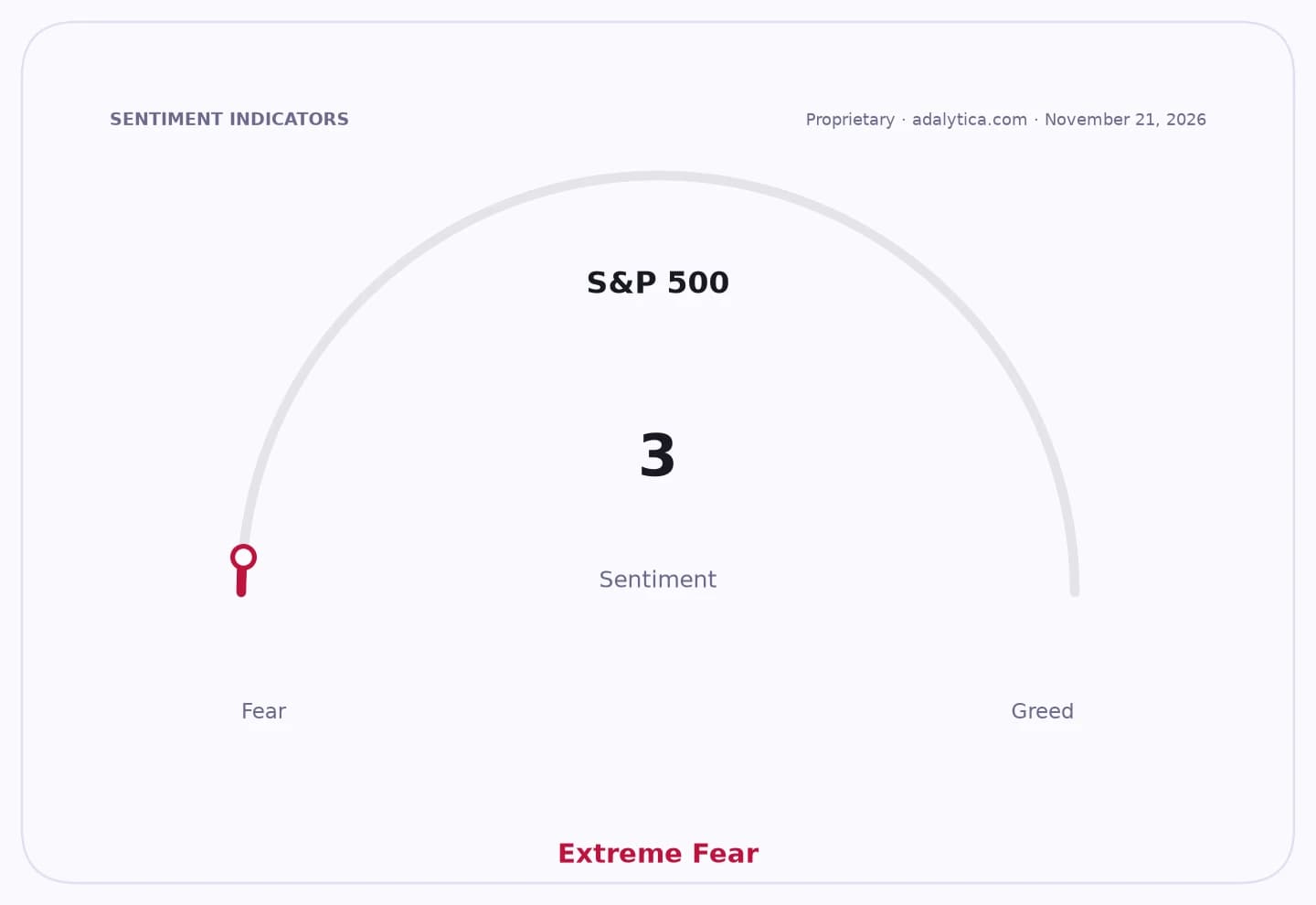
The CAC 40 is being lifted less by excitement than by relief: lower oil and gas prices, softer long-term rates and a reduced political risk premium after the U.S. midterm elections are giving French blue chips a friendlier backdrop.
CAC 40 gains on lower oil, gas and yields
That matters because France’s benchmark index is heavily exposed to global growth, consumer spending and energy costs. When the price of oil drops below $100 a barrel and gas falls under 90 euros, margins improve for transport, retail and industrial groups, while the inflation outlook gets a little cleaner for central banks. At the same time, easing bond yields make it easier to justify higher valuations for quality stocks with durable cash flow.
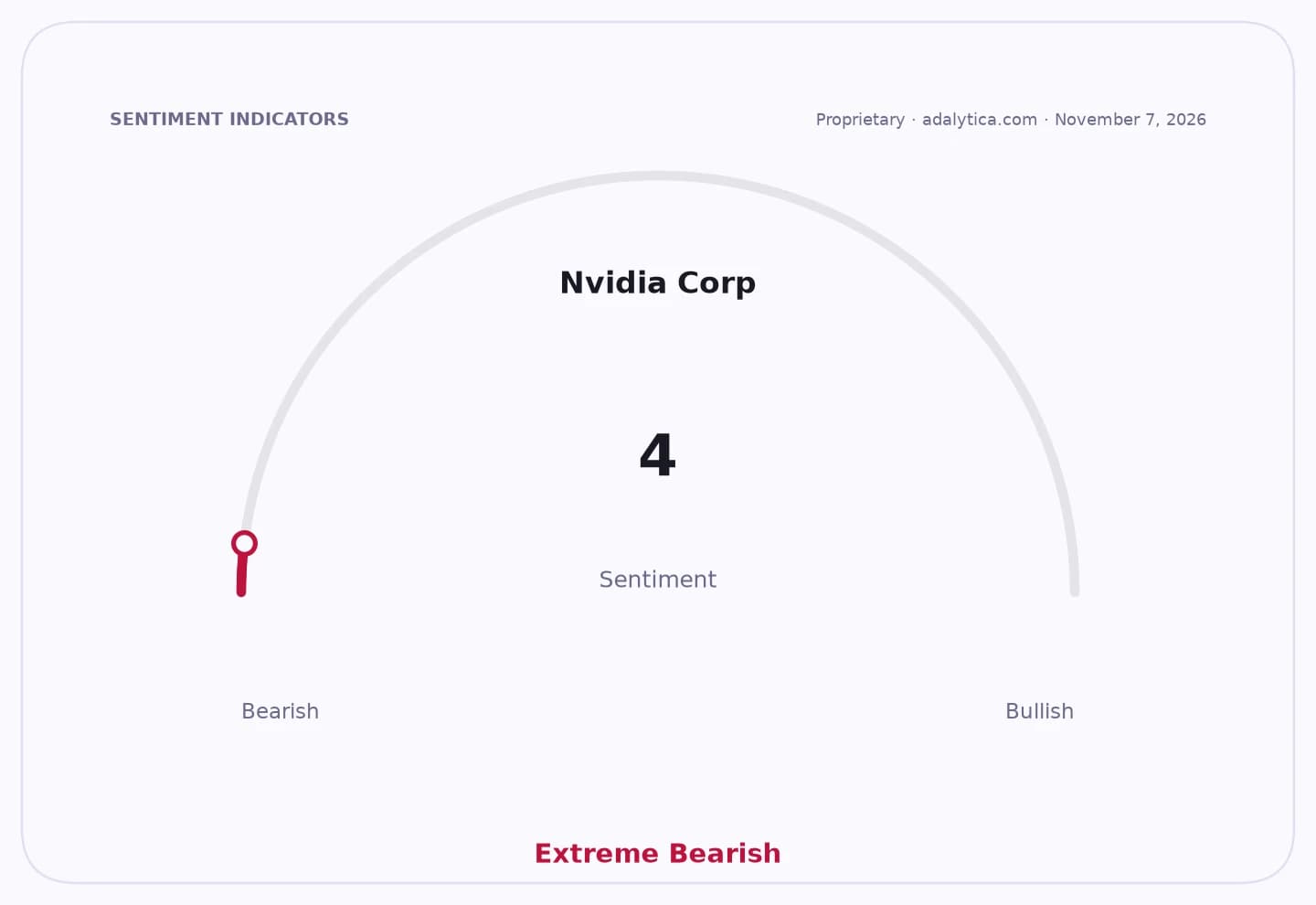
Sentiment Indicators
For investors, the setup is encouraging, but not without a catch. The market’s recent bounce comes as the global composite PMI slipped in October, pointing to a loss of momentum in the world economy heading into the fourth quarter. That is the kind of slow-down that can quickly separate companies with real pricing power from those relying on cyclical demand. In other words, the CAC 40 may still have room to move higher, but earnings delivery will matter more than macro optimism.
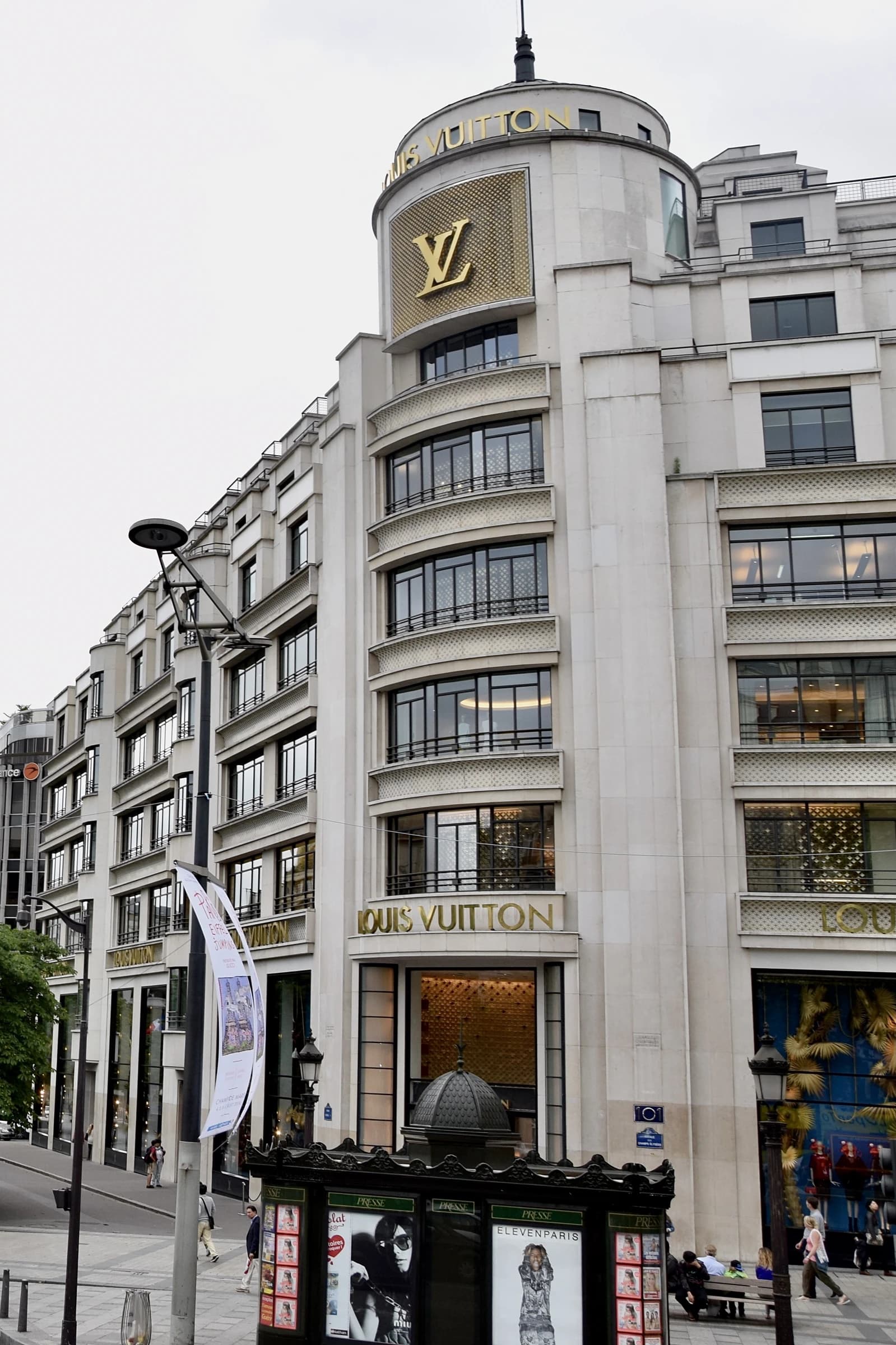
That is why the momentum around names such as LVMH and Hermès is worth watching, even after a choppy stretch. Both luxury groups remain the kind of long-term compounding businesses investors want when volatility rises: powerful brands, global reach and pricing strength. Recent trading in both stocks also shows how quickly sentiment can change when investors reassess growth, rates and risk appetite. LVMH has been rebuilding from a weak patch, with its 50-day moving average now back near the share price, while Hermès has held a stronger technical profile despite still trading well below its 200-day moving average, showing that even the market’s most admired franchises are not immune to broader de-rating pressure.
The same logic extends to other CAC 40 names in Momentum’s weekly lineup. Carrefour can benefit if lower energy eases household budget pressure, while Safran and Engie sit closer to the center of the macro debate: one tied to aerospace demand and the other to power prices and the broader utility backdrop. Investors should also remember that a softer rate environment tends to favor dividend payers and cash-generative companies, especially when growth is still being questioned.
So the real story is not a single day’s move in Paris. It is that the CAC 40 is being offered a better cost-of-capital and inflation backdrop just as growth data starts to wobble. That combination usually rewards selective, long-term stock pickers rather than index chasers. If you are building a portfolio for the next three to 10 years, this is the kind of market that argues for patience, diversification and a focus on businesses that can keep compounding even when the economy does not cooperate. Worth watching, and worth adding to the watchlist.
| Entity | Gains | Losses |
|---|---|---|
| CAC 40 exporters | ▲Lower input costs | ▼Softer global growth |
| Luxury leaders like LVMH and Hermès | ▲Pricing power and brand strength | ▼Short-term volatility |
| Carrefour, Engie, Safran | ▲Easier macro backdrop | ▼Demand uncertainty |
| Energy producers and inflation bets | ▲— | ▼Falling oil, gas and yields |