Camden is becoming a front-line beneficiary of the Pentagon’s scramble to rebuild missile inventories, and that matters because the rearmament cycle is now feeding jobs, capital spending and local growth in one of Arkansas’s most important industrial corridors.
Camden Defense Jobs Rise on Missile Rebuild
What looks like a small-town economic revival is really a sign of a much bigger shift: the U.S. is asking defense contractors to produce more Patriot, THAAD and Precision Strike missiles at a time when war and rising threat perceptions are burning through stockpiles faster than the industrial base can replace them. That shortage is turning East Camden into a growth node for Lockheed Martin, L3Harris and RTX, with fresh hiring, new plants and multi-year contracts tied to some of the military’s most expensive and hardest-to-build weapons.
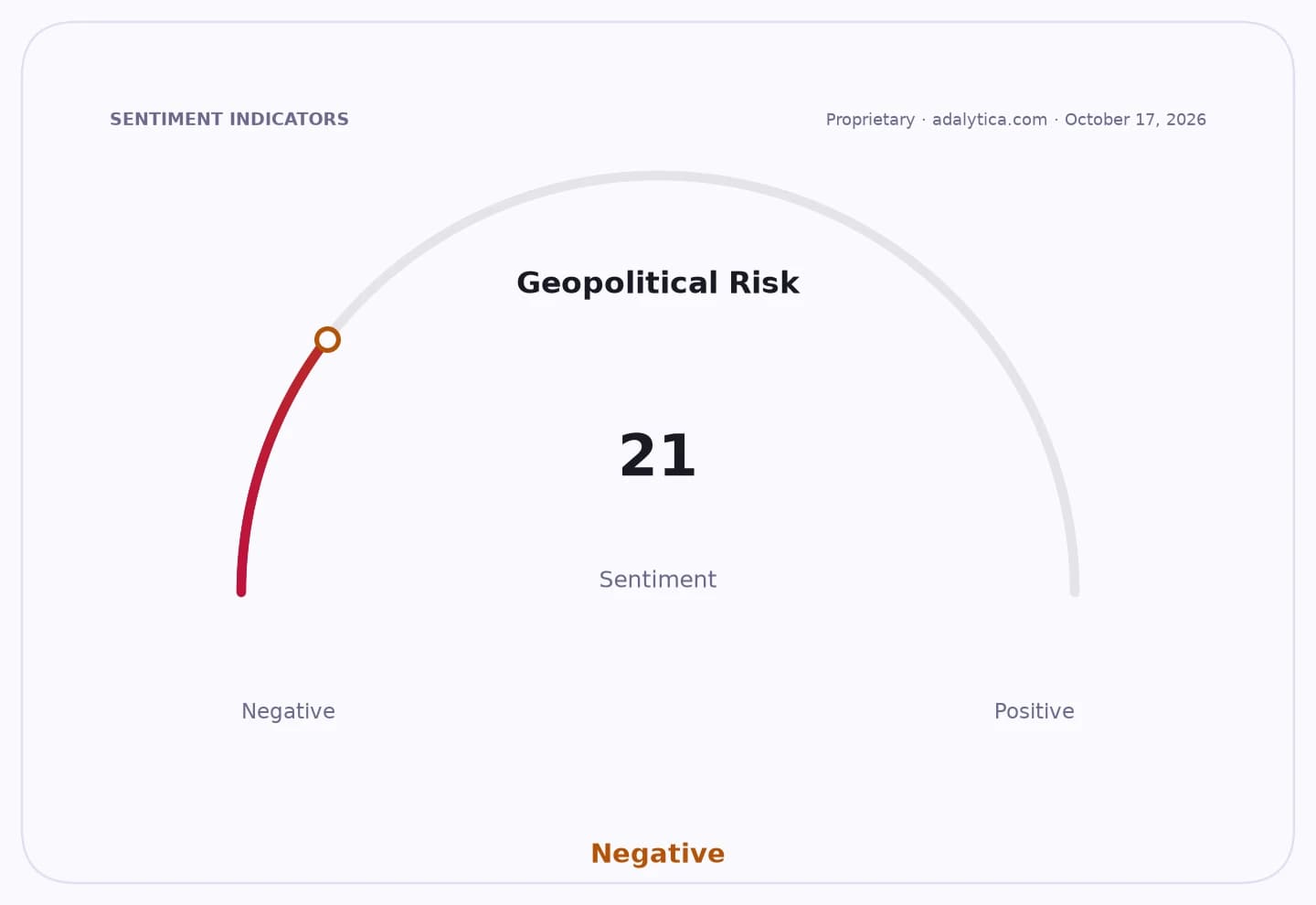
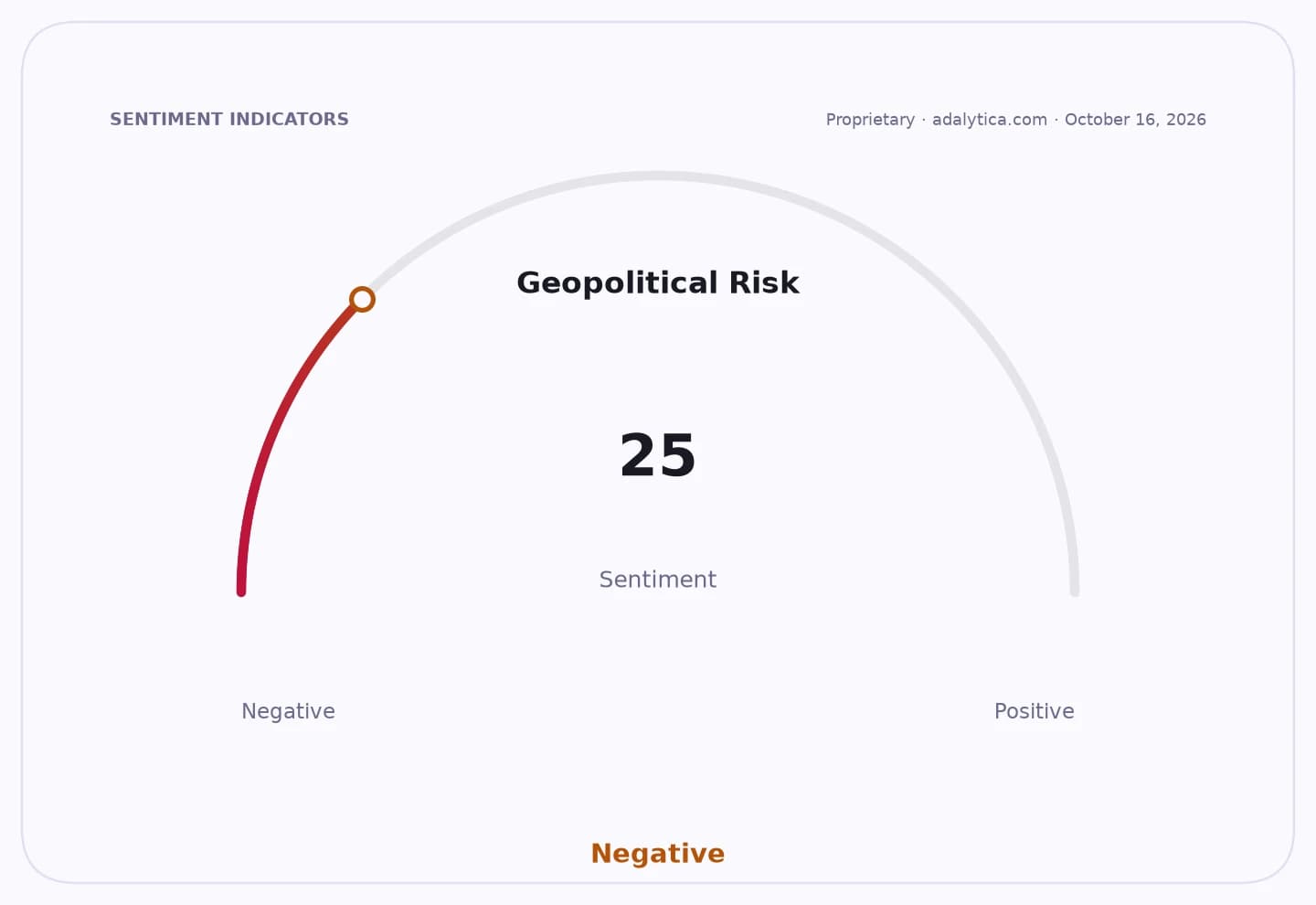
Sentiment IndicatorsⓘProprietary · adalytica.com · October 1, 2026
This is a snapshot — live sentiment, awareness and momentum for 130+ markets update continuously in the dashboard.Open AlphaPulse
Lockheed Martin plans to lift Patriot PAC-3 MSE output in East Camden from 600 missiles to about 2,000 by 2030, while increasing employment there from about 1,200 to 1,850. The company also says it will quadruple Precision Strike Missile production and has already broken ground on a Munitions Acceleration Center in the city. On the THAAD side, Lockheed has a seven-year, $35 billion contract to produce interceptors, part of a broader push by the Defense Department to order 857 THAAD rounds and 3,203 Patriot missiles for fiscal 2027.
The economics are straightforward. These are not cheap consumables. A Precision Strike Missile costs about $1.7 million, the newest Patriot interceptor about $4 million and a THAAD interceptor roughly $13 million. When the U.S. spends billions replenishing defensive munitions, that money flows into factory floors, suppliers, tooling, logistics and skilled labor. It also supports the kind of local wage growth that has become rare in many U.S. manufacturing towns.
In Camden, the defense buildout is already visible in the labor market. More than 3,849 aerospace and defense workers were employed in Ouachita and Calhoun counties in the first quarter, and L3Harris says it has grown its Camden workforce 60% in five years to about 1,600 employees. The company says average pay for an Arkansas L3Harris job is $78,700, and it had 87 open positions in the Camden area last week. That is real income growth for a region that lost its paper mill anchor more than two decades ago and never fully recovered.
For investors, the message is that missile production is becoming one of the clearest long-duration revenue pools inside defense. The market often focuses on aircraft, satellites and big platform programs, but the tighter bottleneck today is in propulsion, seekers, solid rocket motors, final assembly and the thousands of parts that go into each interceptor. That is where the pricing power and backlog visibility are strongest, and where the industrial base is now being forced to expand after years of underinvestment.
Raytheon parent RTX, Lockheed Martin and Northrop Grumman all stand to benefit as the U.S. and allies replenish air and missile defense stocks. RTX shares have already reflected investor enthusiasm for the theme, while Lockheed’s stock has been volatile as traders weigh execution risk against a massive order book. Northrop, meanwhile, remains tied to the broader shift in demand for tactical missiles and defense electronics. The bigger point is that these names are no longer just “defense stocks”; they are infrastructure plays on a rearmament cycle.
There is also a second-order investment angle in the industrial base itself. Camden’s growth is forcing more housing, more logistics and more skilled-labor training, which is why Southern Arkansas University Tech rebranded its mascot the Rockets to align with the local defense economy. That may sound symbolic, but it captures a deeper truth: the defense buildout is becoming a regional development engine, not just a Washington budget line.
The next catalyst is simple. As Pentagon replenishment orders move from intent to funded contracts, companies that can deliver missiles, motors and components at scale should keep winning business. For investors, the opportunity is to stay positioned in the picks-and-shovels of missile production before the market fully prices in how long this cycle can run.
| Entity | Gains | Losses |
|---|---|---|
| Lockheed Martin | ▲Higher missile output, multi-year contracts | ▼Execution risk |
| L3Harris | ▲Propulsion expansion, hiring growth | ▼Labor and capex strain |
| RTX / Raytheon | ▲Interceptor demand, new plant utilization | ▼Margin pressure from scaling |
| Camden / Ouachita County | ▲Jobs, wages, housing demand | ▼Infrastructure stress |