Yemen’s Houthi movement is trying to build a longer-range missile using Chinese-made components, a development that would raise the reach and sophistication of one of the region’s most persistent non-state weapons programs and deepen investor concern about spillovers across Saudi Arabia, Israel and Gulf shipping routes.
Houthi missile report flags Chinese components
The finding matters because it suggests the Houthis are not just acquiring finished weapons, but working to assemble a more capable ballistic missile production chain with inputs from abroad. If successful, the new system would extend to about 1,900 kilometers, according to a Conflict Armament Research assessment cited in the report, putting much of Saudi Arabia, Israel and other Gulf states within range from Yemen.
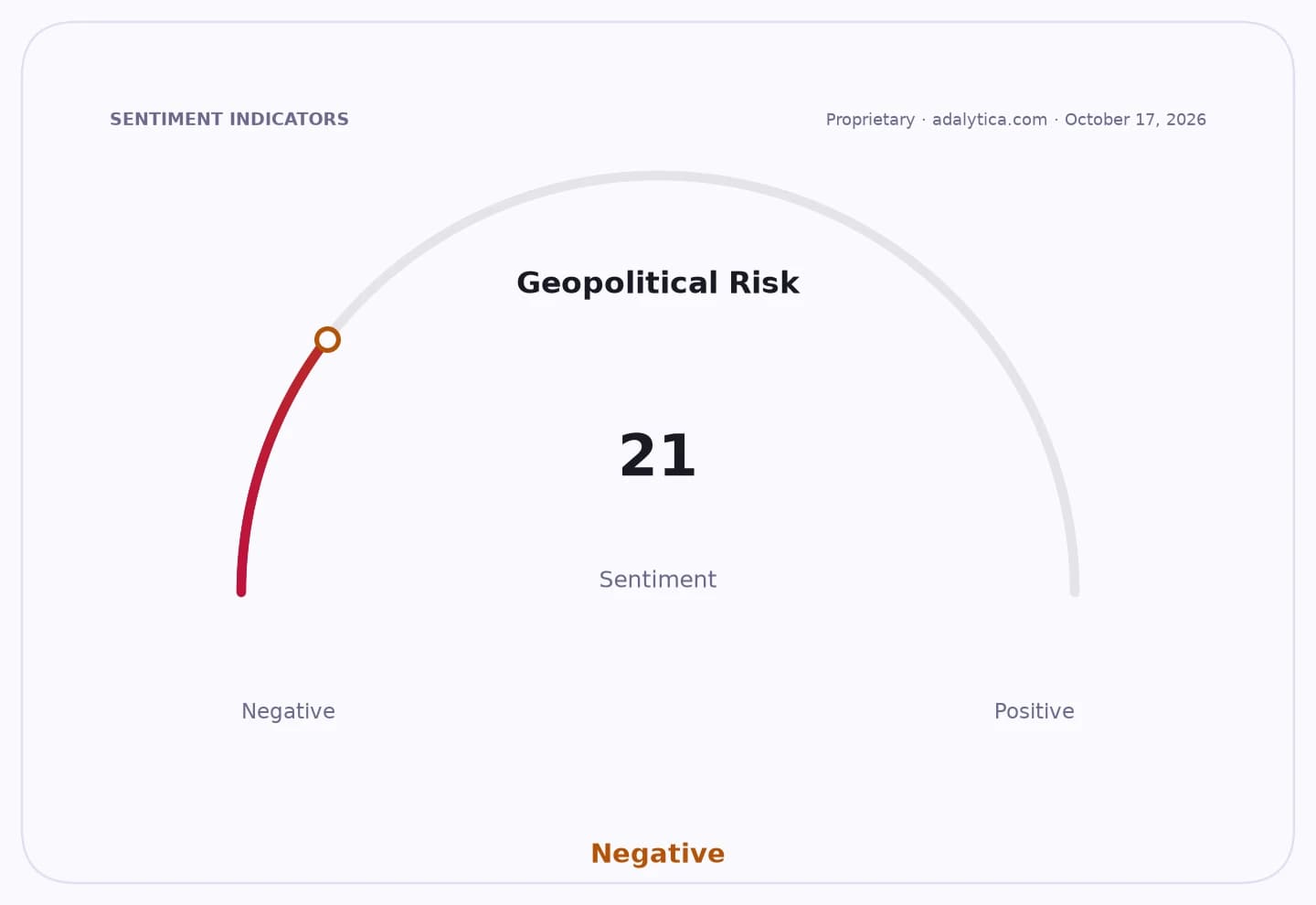
Sentiment IndicatorsⓘProprietary · adalytica.com · October 17, 2026
This is a snapshot — live sentiment, awareness and momentum for 130+ markets update continuously in the dashboard.Open AlphaPulse
That would be a significant escalation for regional security. The Houthis already have a track record of targeting airports, energy facilities and other critical infrastructure, and the latest wave of attacks has again underscored how quickly the conflict can disrupt civilian and commercial activity. A missile strike on Riyadh airport killed 13 people and forced flights to halt, illustrating that even imperfect interception systems can still leave expensive gaps in air defense coverage.
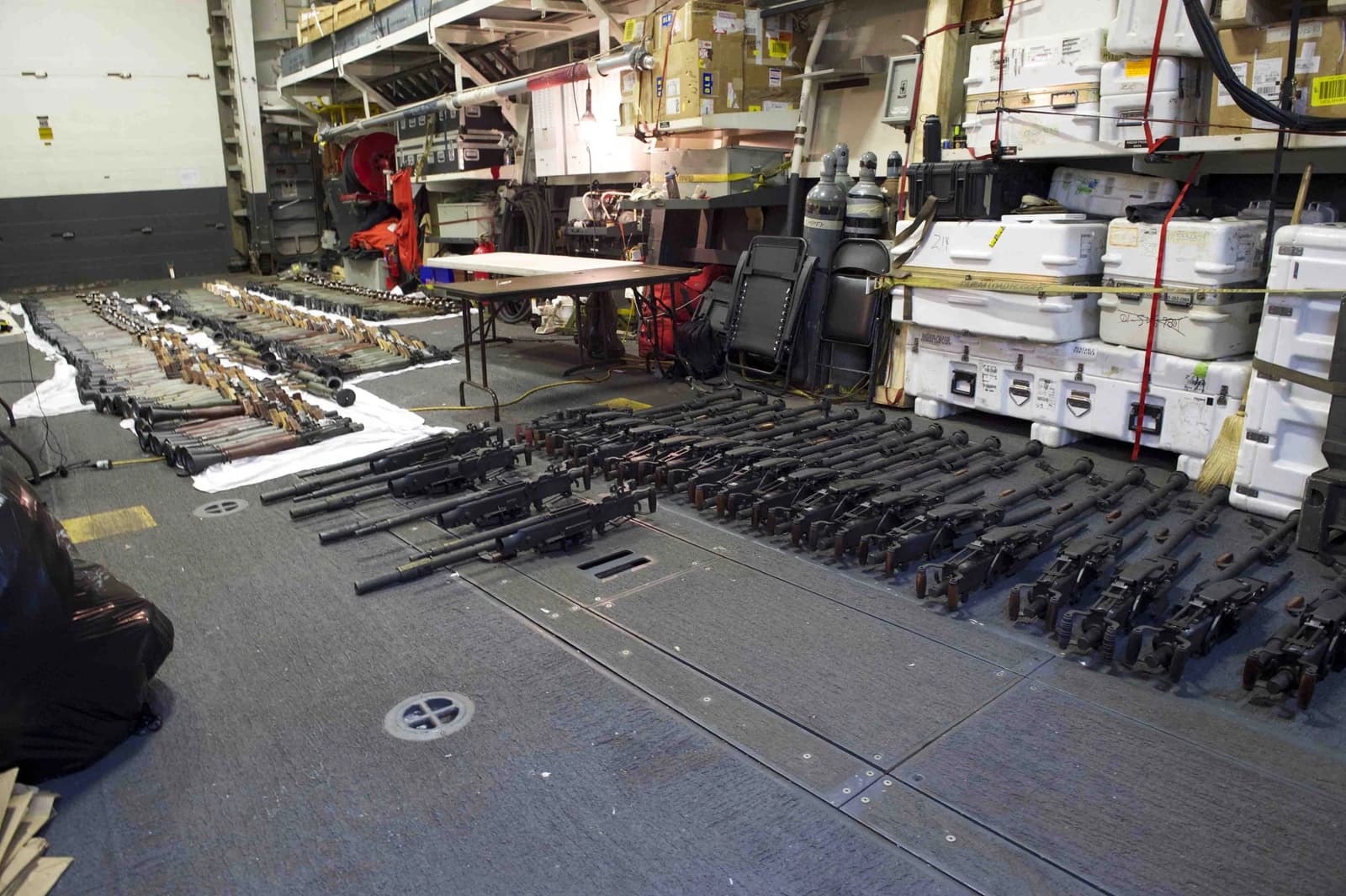
The report also points to a broader supply-chain problem that goes beyond a single shipment. Parts seized by Yemeni authorities included engine components, custom metal parts for missile bodies, stabilizing fins and pieces linked to the solid-fuel engine used in Iran’s Khyber Shekkan missile. Some items may have civilian uses, but investigators said others appeared purpose-built for missile systems, raising questions about how dual-use components are being routed through commercial channels.
For China, the allegations are awkward at a moment when it has positioned itself as a mediator and a guarantor of maritime stability, especially after seeking to preserve trade and energy flows through the Gulf. Beijing has repeatedly denied supplying arms to the Houthis and says it abides by UN restrictions, but the report reinforces long-running concerns that Chinese firms remain embedded in networks that support Iran-aligned armed groups.
For investors, the implications are clearest in defense, energy and transport. Higher Middle East risk tends to support demand for missile defense systems, surveillance, interceptors and airbase hardening, while also keeping a bid under oil and defense equities when tensions rise. Raytheon, Lockheed Martin and Northrop Grumman are among the beneficiaries of a more hostile threat environment, while airlines, shippers and energy-intensive users remain exposed to any renewed escalation around the Red Sea, Saudi Arabia or Israel.
The market backdrop already reflects elevated concern. Adalytica’s Global Stability Sentiment gauge is in “Fear” territory, while its US-China relations sentiment remains elevated, a reminder that geopolitical risk is increasingly being priced through both regional conflict and great-power rivalry. For now, the key issue is not whether the Houthis have fielded a fully operational longer-range missile, but whether outside suppliers are helping them move from sporadic attacks to a more durable manufacturing capability.
If that effort advances, the strategic balance changes. A longer-range, more accurate Houthi missile force would complicate missile defense planning for Saudi Arabia and Israel, increase the premium on interdiction of components and cargoes, and keep a floor under geopolitical risk premiums across oil, defense and logistics markets.
| Entity | Gains | Losses |
|---|---|---|
| Houthi fighters | ▲Greater strike reach | ▼Higher interdiction risk |
| Saudi Arabia and Israel | ▲More defense spending | ▼Greater missile threat |
| Defense contractors | ▲Missile-defense demand | ▼Political pressure on budgets |
| Energy and shipping markets | ▲Risk premium support | ▼Supply-chain disruption |