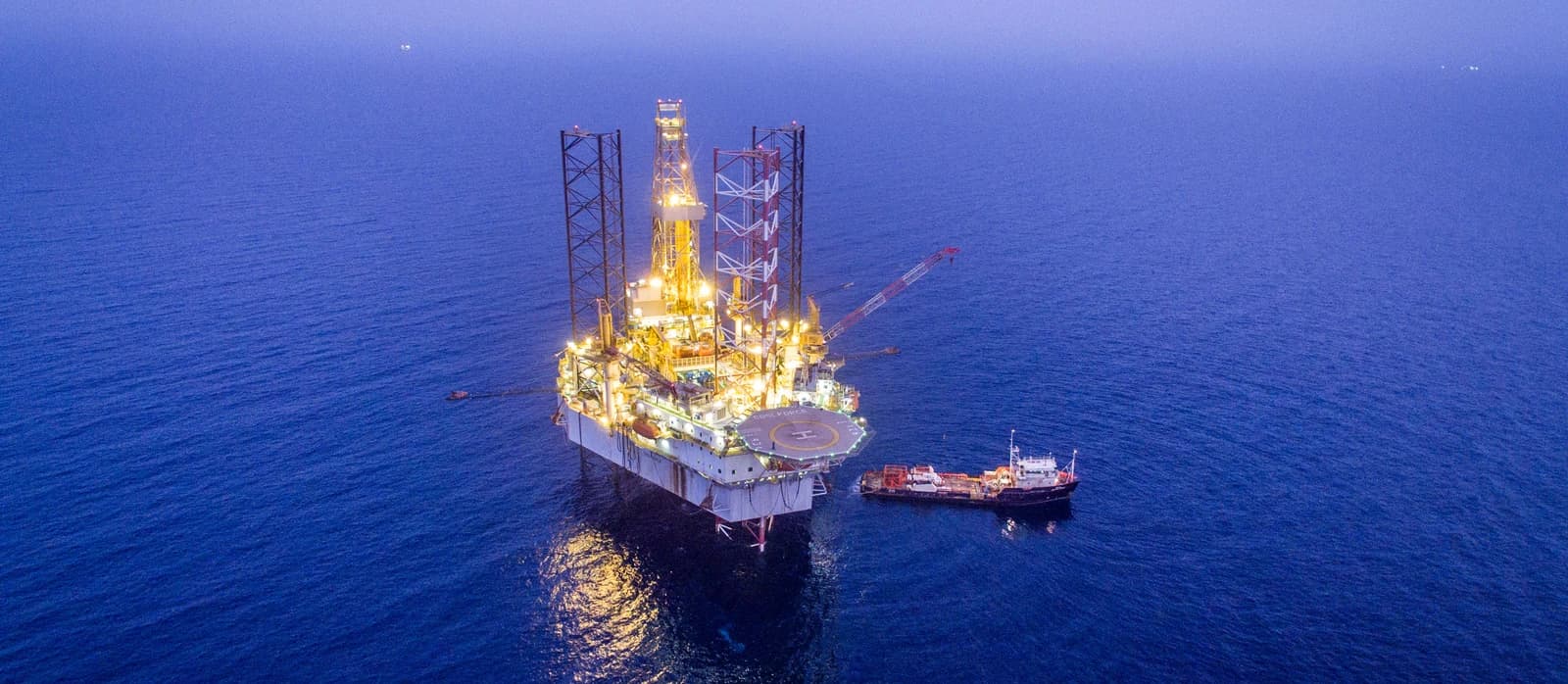
Iran’s missile factories were not wiped out by months of U.S. and Israeli strikes, and that is the economic shock investors need to price in now. Bloomberg’s reporting that Tehran can still manufacture new missiles, rebuild inventories and may be getting additional missiles from Russia means the Middle East remains a live supply-chain and energy-risk event, not a contained military episode.
Iran missile production, oil risk, defense stocks
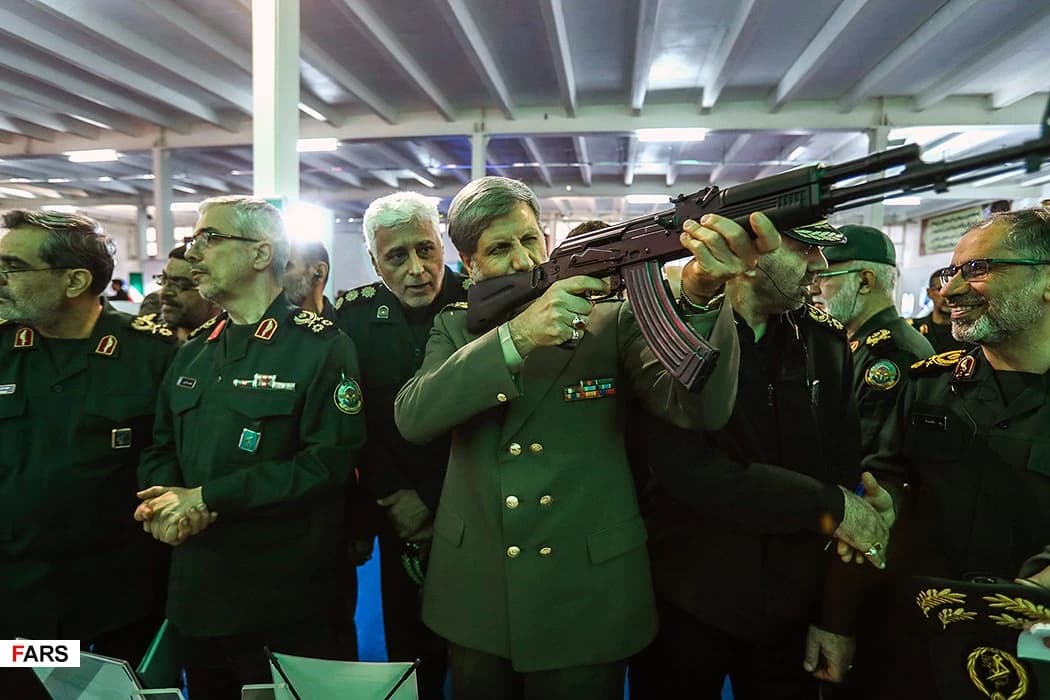
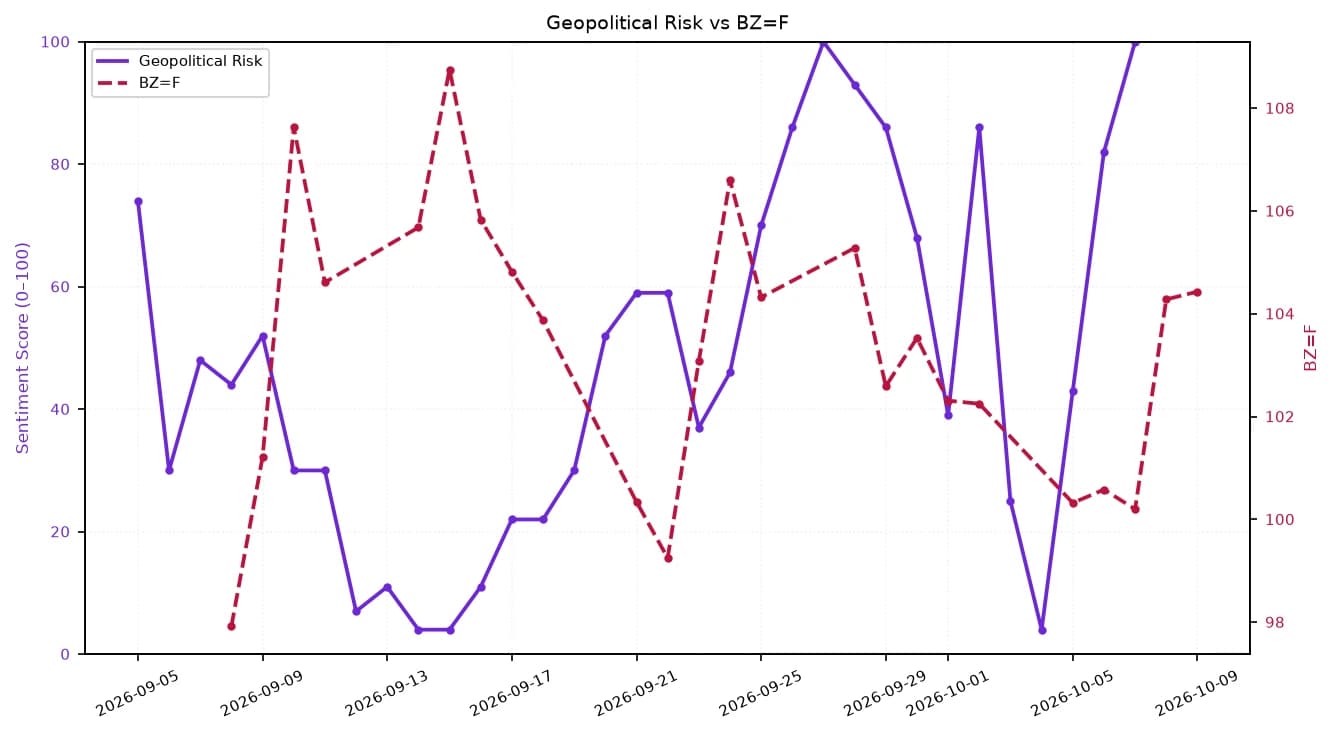
That matters because the market has been leaning too hard on the idea that Iran’s strike capacity was neutralized. If Tehran can keep turning out ballistic missiles and anti-ship weapons, and if Moscow is helping replenish stockpiles, then the next round of escalation could hit shipping lanes, oil flows and defense budgets at the same time. That is why crude has stayed above $100 a barrel in the report and why tanker charters have surged to about $1.2 million a day from less than $50,000 before the war.
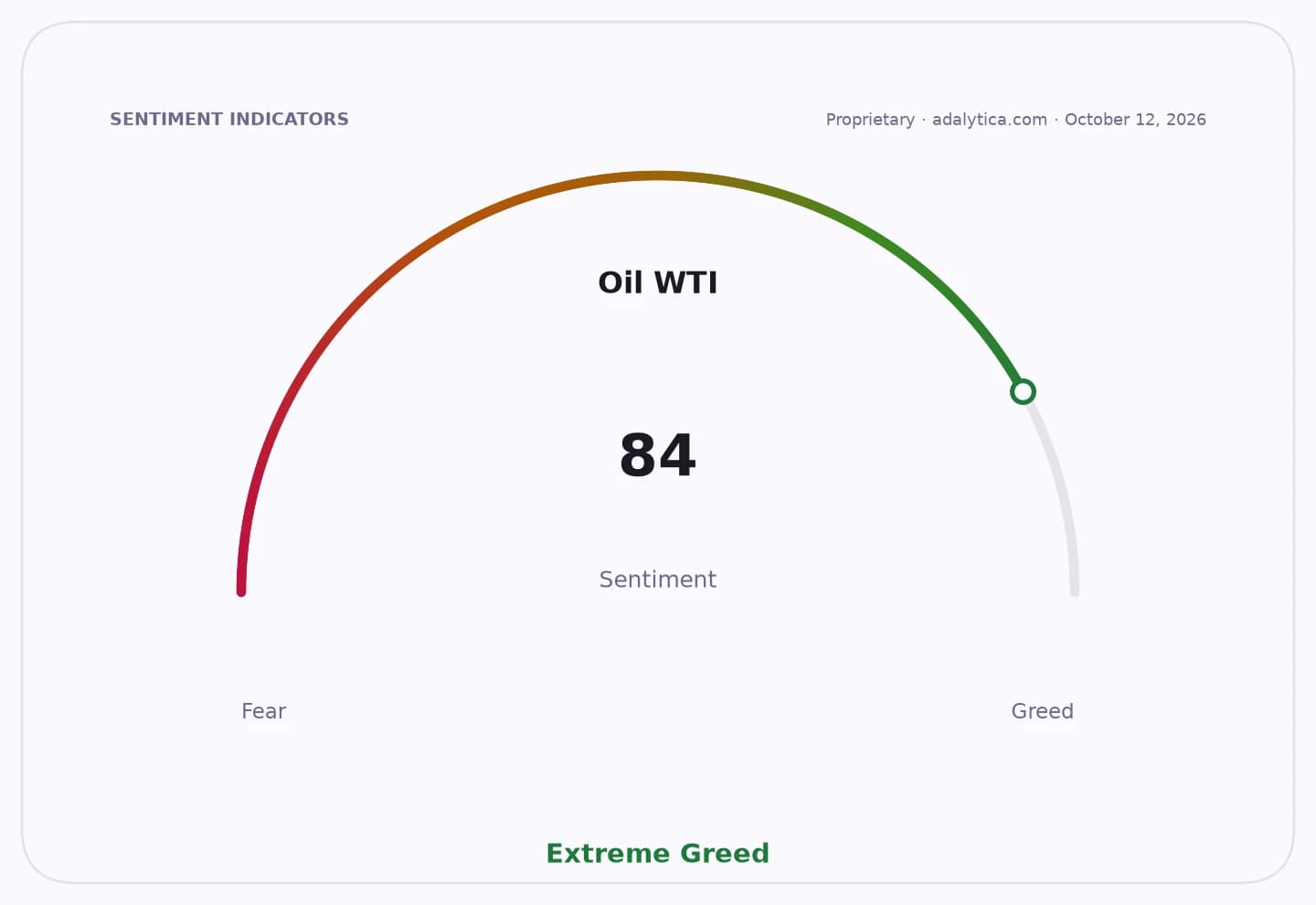
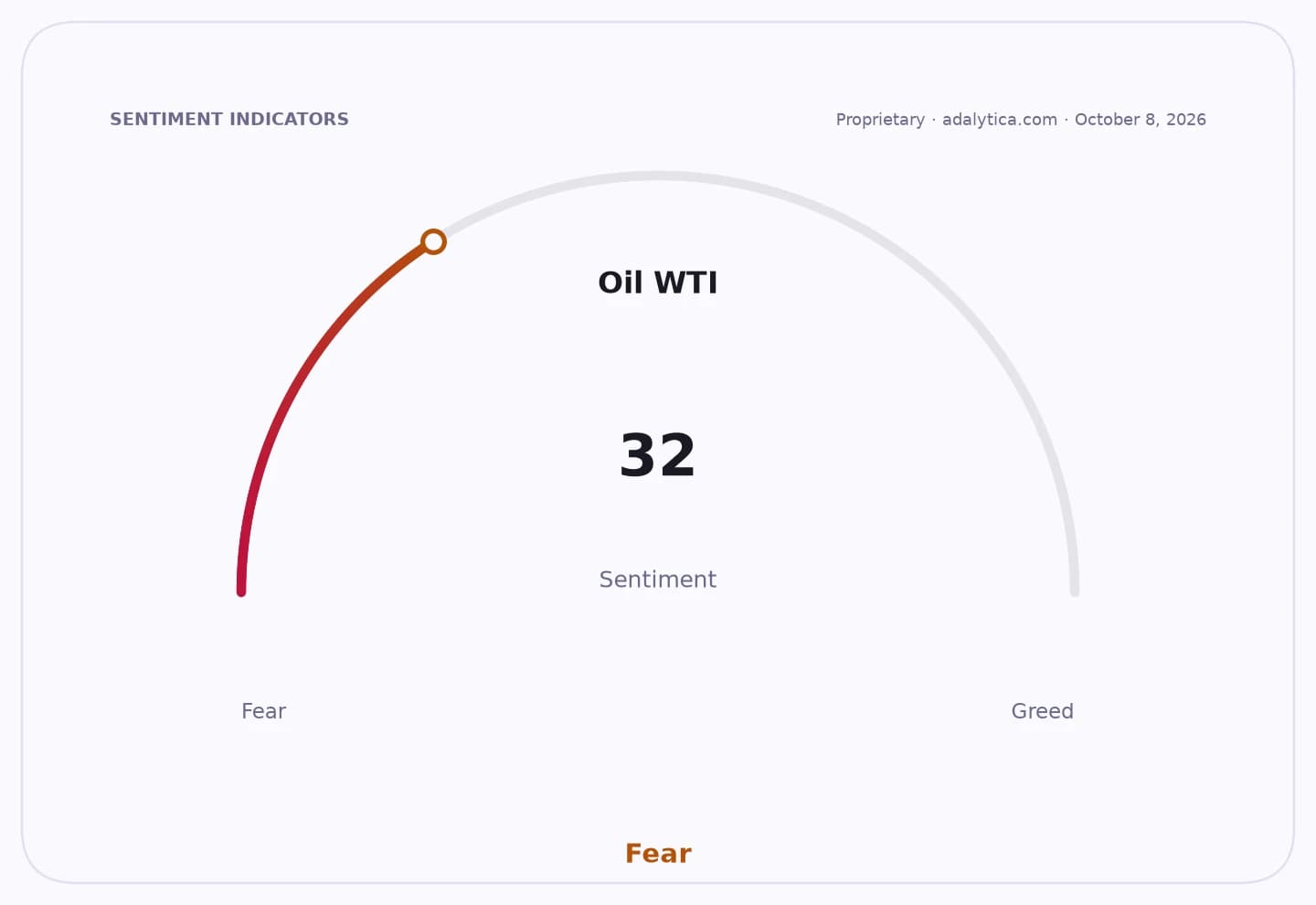
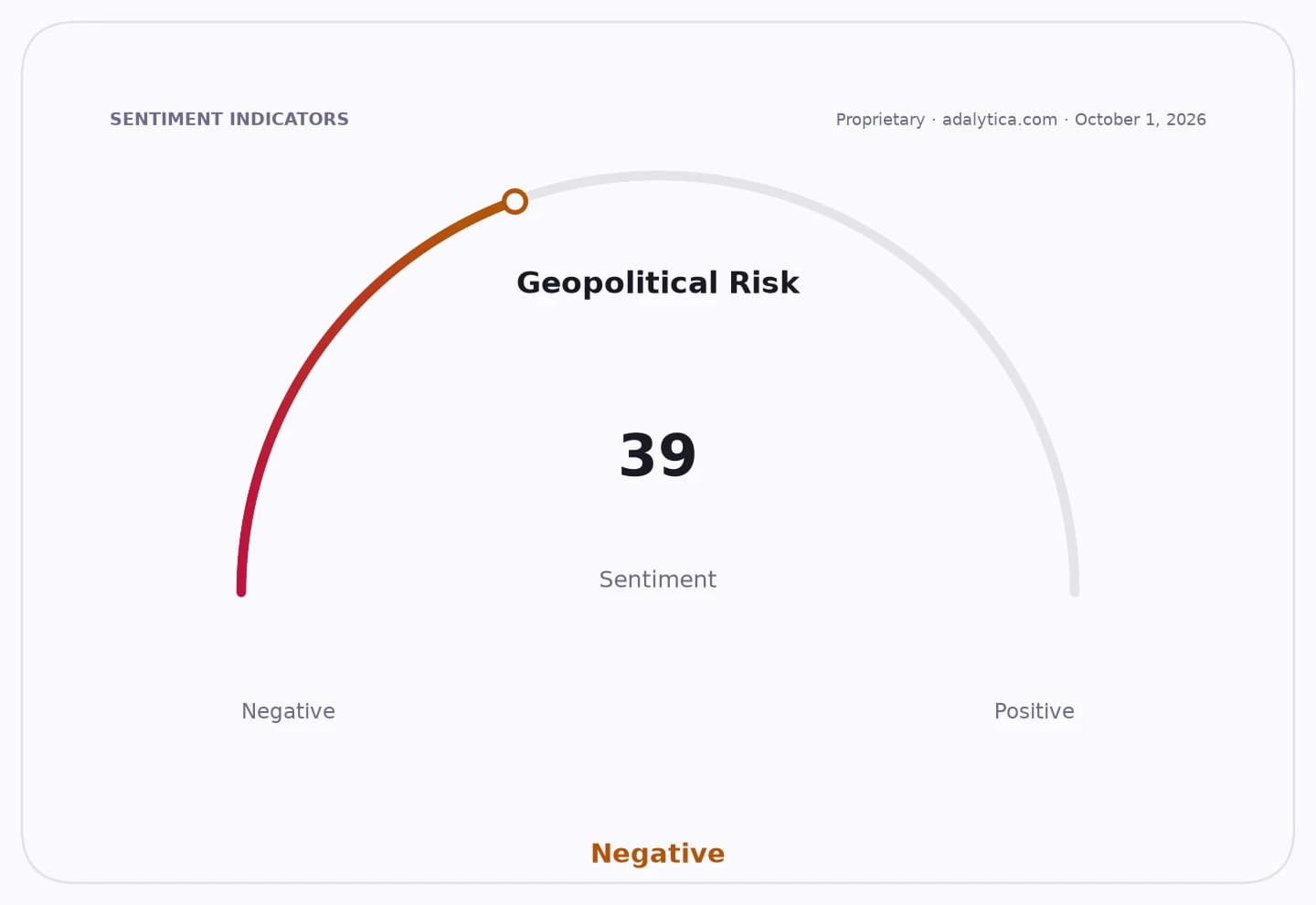
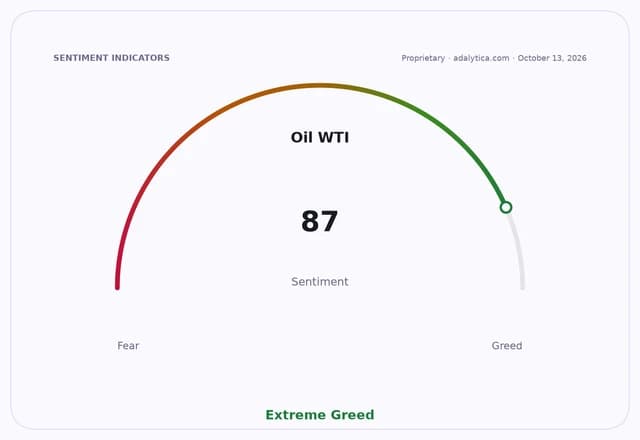
Sentiment IndicatorsⓘProprietary · adalytica.com · October 13, 2026
This is a snapshot — live sentiment, awareness and momentum for 130+ markets update continuously in the dashboard.Open AlphaPulse
The bigger narrative is that deterrence is failing by attrition, not force. Iran may have lost some advanced systems, but it still appears to have enough missiles, hidden stocks and outside support to keep fighting. Bloomberg economists said the pause in major U.S. strikes gave Tehran room to rebuild, extending a cycle that could become a long war with no clear side holding the upper hand. For investors, that means the premium on energy security, missile defense and hardened logistics is not temporary.
Russia’s role is especially important because it changes the math. If Moscow is supplying Iran with missiles, then sanctions pressure is not just failing to isolate Tehran — it is helping knit together a wider anti-Western weapons network. That raises the probability of more sustained conflict, more attacks on shipping near Hormuz and Bab el-Mandeb, and more demand for interceptors, radar, naval defense and Gulf security systems.
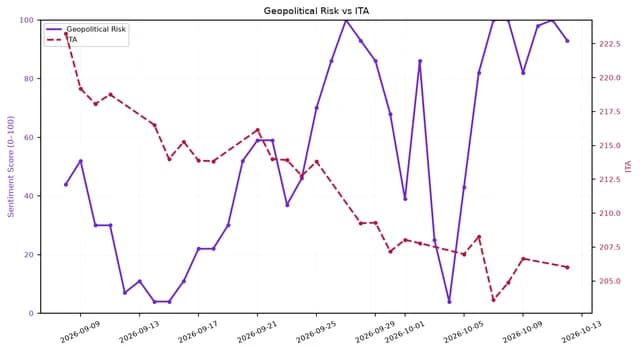
The market is already hinting at the trade. The iShares U.S. Aerospace & Defense ETF, ITA, remains well above its 200-day moving average even after a pullback, while Lockheed Martin and the wider defense complex are sitting on the kind of volatility that often precedes another leg higher if tensions worsen. The message is simple: in a world where missile factories survive airstrikes and Russia may be resupplying Iran, defense remains a secular allocation, not a tactical trade.
Crude is the other side of the same thesis. If Iran can keep threatening shipping and Saudi-linked routes remain vulnerable, energy prices can stay elevated even without a full regional war. That supports the case for staying long energy exposure, defense contractors and companies tied to missile interception, maritime security and critical infrastructure hardening. The market underestimates how quickly this conflict can turn from headline risk into a multi-year capex cycle.
| Entity | Gains | Losses |
|---|---|---|
| Energy producers | ▲Higher crude prices | ▼Demand destruction risk |
| Defense contractors | ▲More missile-defense spending | ▼Squeezed margins from demand spikes |
| Iran | ▲Preserved missile deterrent | ▼Greater sanctions pressure |
| Oil importers/shippers | ▲— | ▼Higher freight and insurance costs |