China has sent its Liaoning aircraft carrier group back into the Western Pacific for training, a deployment that underscores Beijing’s push to sustain blue-water naval operations as regional security frictions intensify.
China Liaoning Carrier Returns to Western Pacific
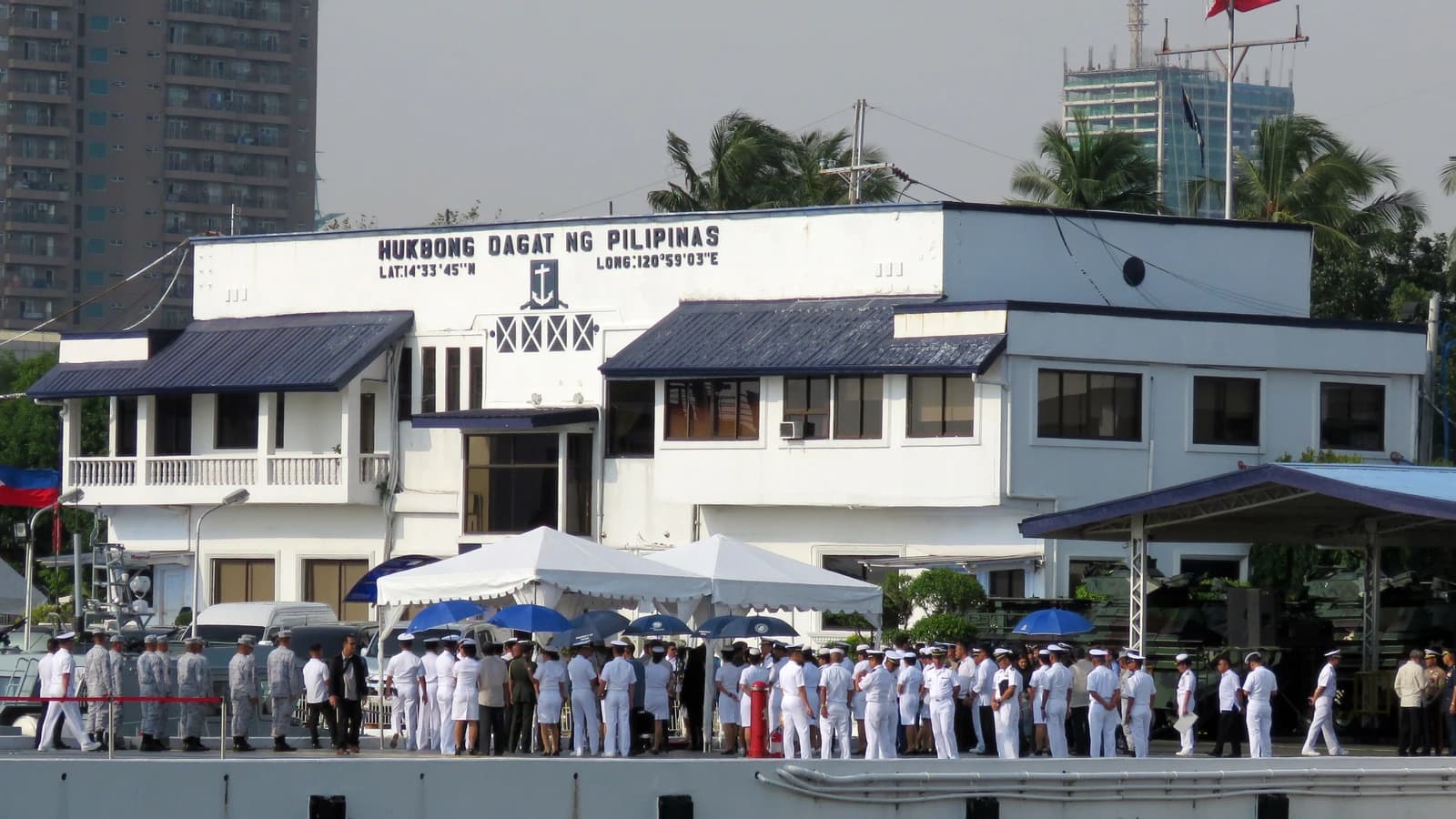
The Chinese navy said the mission is part of annual training and is designed to improve combat readiness under simulated battle conditions. It also said the drills comply with international maritime law and are not aimed at any specific country, though the carrier’s movement beyond the first island chain is closely watched in Tokyo, Taipei, Manila and Washington.
Sentiment IndicatorsⓘProprietary · adalytica.com · October 14, 2026
This is a snapshot — live sentiment, awareness and momentum for 130+ markets update continuously in the dashboard.Open AlphaPulse
The Liaoning, the oldest of China’s three aircraft carriers, has been used repeatedly for live-fire exercises, carrier aviation drills and search-and-rescue training. Its return to the Western Pacific follows joint operations in mid-2025 with the Shandong that kept both carriers at sea for more than a month, a sign China is normalizing longer-range deployments rather than treating them as one-off demonstrations.
For investors, the immediate market impact is limited, but the broader implications are not. Carrier activity in the Western Pacific reinforces a defense backdrop that continues to favor contractors tied to naval systems, sensors, missiles and command-and-control equipment, while keeping pressure on regional governments to spend more on maritime surveillance and deterrence.
Geopolitical Risk — 30-day sentimentadalytica.com
Explore this data interactively — full history, time series and cross-market comparisons.Open AlphaPulse
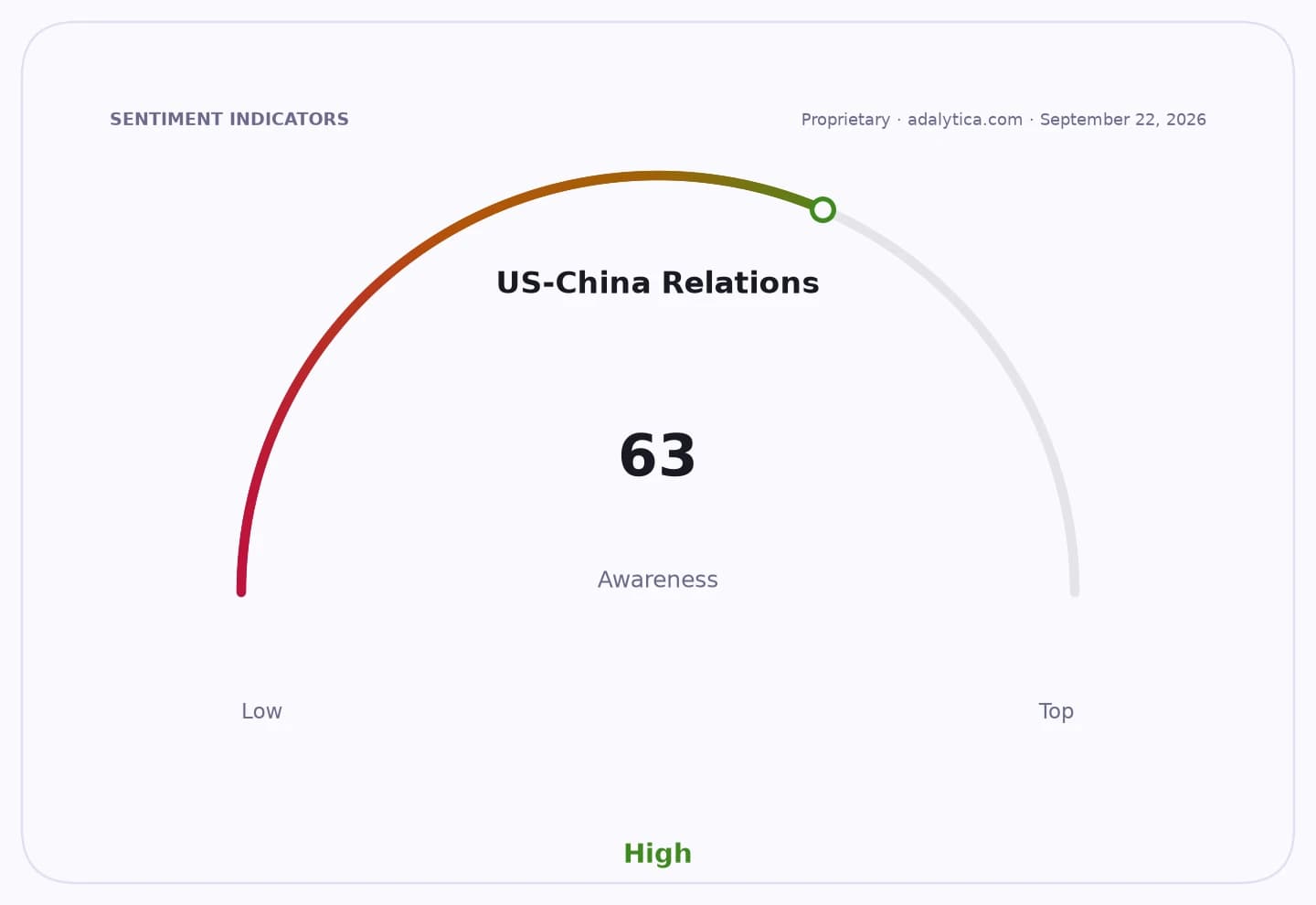
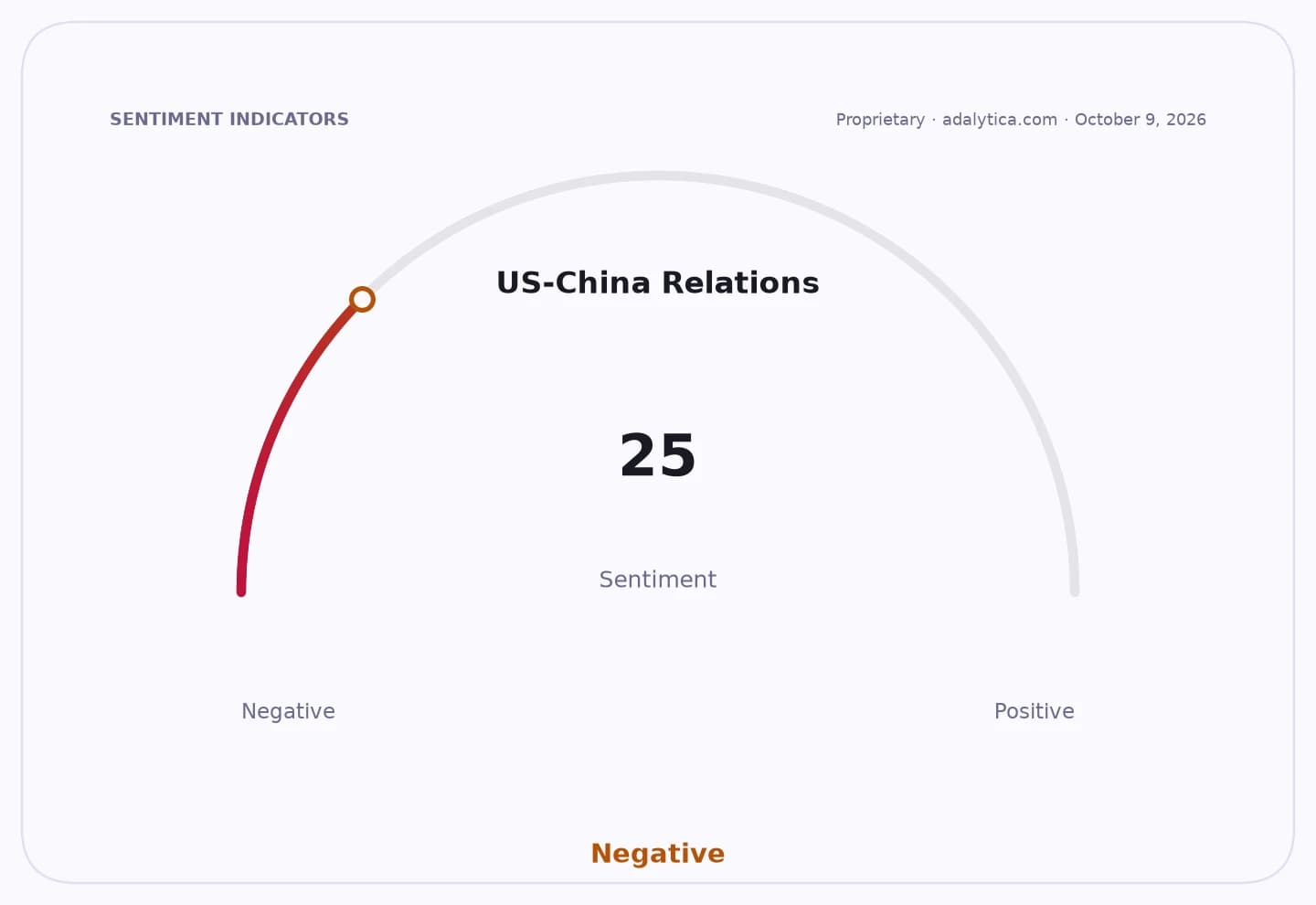
That is why the move matters beyond naval optics: it adds to the sense that the U.S.-China security contest is deepening in the Pacific, where any escalation can ripple into defense procurement, export controls and alliance spending. Adalytica’s Global Stability Sentiment remains in “Greed” at 79, but its U.S.-China Relations Sentiment stands at 79 with “Extreme Fear” awareness, pointing to persistent market sensitivity around the relationship.
Defense names already exposed to Pacific risk, including Lockheed Martin, Northrop Grumman and RTX, remain in focus as governments in the region adjust budgets and force posture. Northrop shares closed at $481.38 on Oct. 13, below its 50-day moving average of $528.44, while RTX ended at $183.02, also under its 50-day average of $201.94, leaving the group vulnerable to headline-driven swings even when the strategic backdrop is supportive.
The next catalyst is likely to come from the length and scope of the Liaoning’s patrol, any Japanese or Taiwanese response, and whether China pairs the carrier movement with additional air or missile activity in the same waters.
| Entity | Gains | Losses |
|---|---|---|
| China Navy | ▲Power projection | ▼Strategic suspicion |
| Taiwan/Japan/Philippines | ▲Security attention | ▼Greater pressure |
| U.S. defense contractors | ▲Procurement interest | ▼No immediate catalyst |
| Regional stability | ▲Deterrence signaling | ▼Lower predictability |