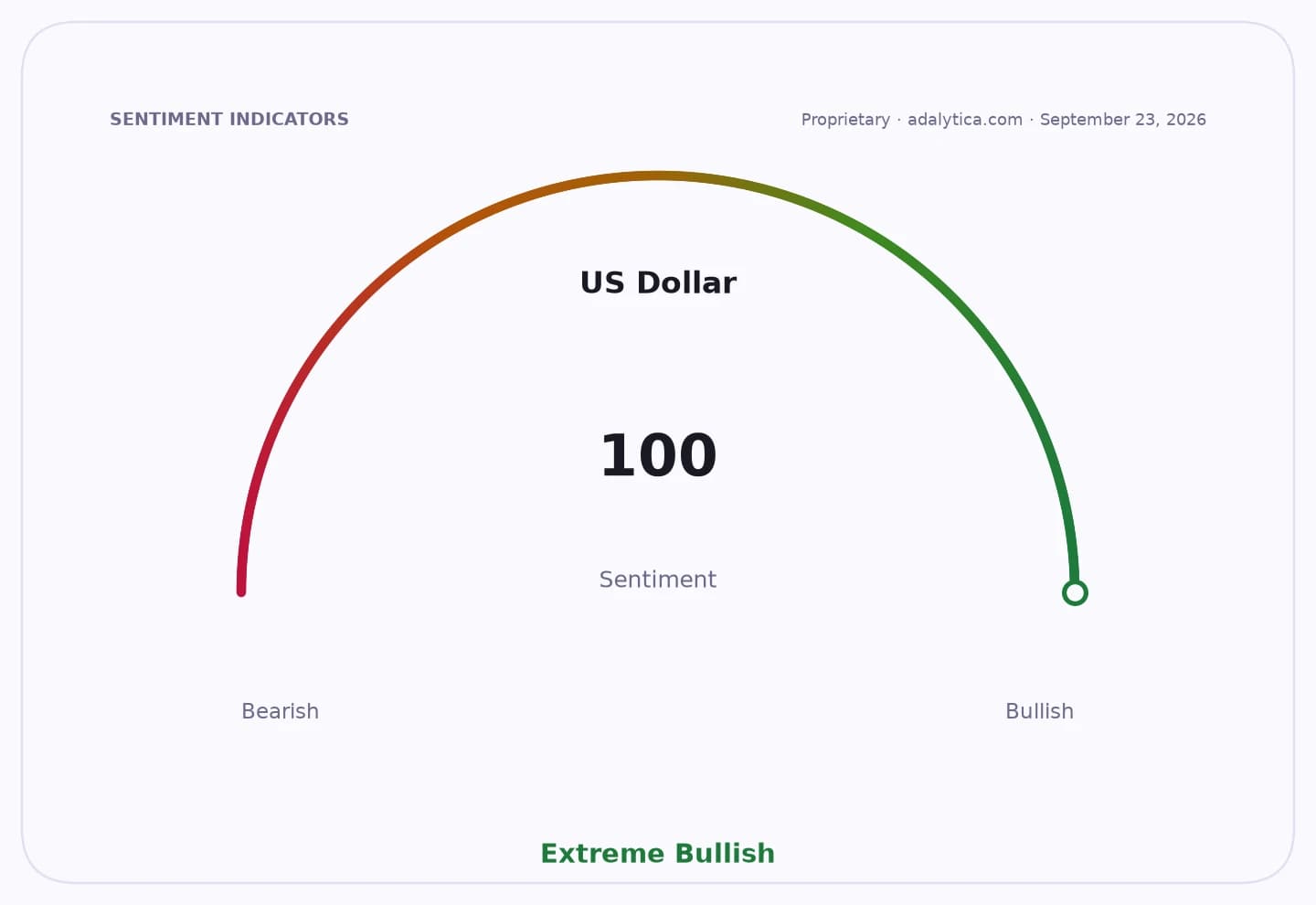
Canada’s labor market lost momentum in August, with the economy shedding 41,700 jobs and unemployment holding at 6.4% just as new U.S. tariffs threaten to deepen the slowdown.
Canada jobs fall 41,700 as U.S. tariffs loom
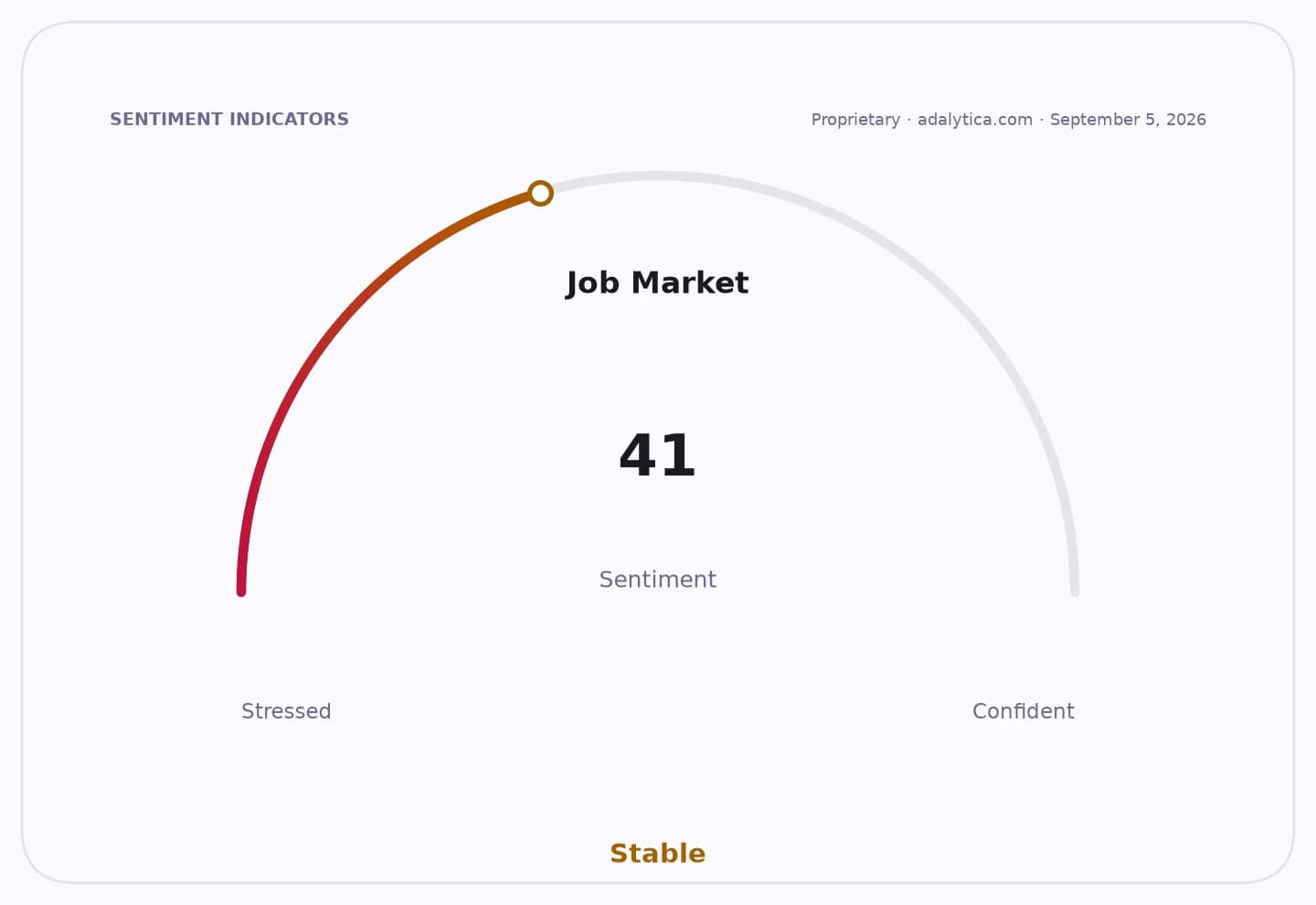
The report matters because it arrives at a point when the Canadian economy has little margin for error. Hiring had been artificially boosted over the prior four months by census-related work and World Cup staffing, masking underlying softness. August’s decline suggests that strength is fading before the full effect of Washington’s latest trade measures is felt in factories, logistics and service businesses tied to cross-border demand.
Sentiment IndicatorsⓘProprietary · adalytica.com · September 5, 2026
This is a snapshot — live sentiment, awareness and momentum for 130+ markets update continuously in the dashboard.Open AlphaPulse
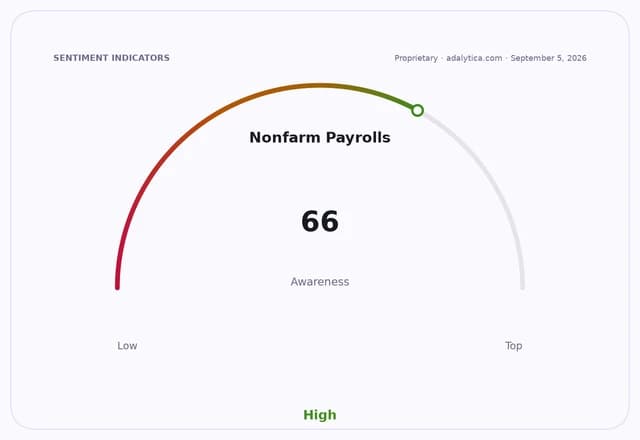
The job loss was far larger than economists had expected. Reuters-polled analysts had looked for a gain of about 15,000 positions after July’s surge of 75,100. Instead, full-time employment fell by 35,900 and part-time jobs by 5,800. Most of the weakness came in services, where 51,500 positions disappeared, led by business-support services, wholesale and retail trade, transport, health care and education.
That mix matters for growth. Services account for roughly four-fifths of Canadian employment, so weakness there points to broader demand cooling rather than a narrow factory-sector shock. The labor-force participation picture also looks less supportive: the labor force shrank for the first time since February, helped by slower population growth and aging demographics, which can make the unemployment rate look more stable even as hiring weakens.
The tariff backdrop adds a second layer of risk. New U.S. levies, including 50% duties that hit a relatively small share of Canadian exports but concentrate on vulnerable industries such as wood products, are expected to take hold next week alongside Canadian retaliation. That raises the odds that August proves to be one of the last cleaner readings before trade friction starts feeding more directly into layoffs, investment delays and weaker consumer confidence.
Markets quickly picked up on the softer tone. The Canadian dollar fell 0.51% to C$1.3860 per U.S. dollar after the report, while two-year government bond yields rose 1.3 basis points to 2.469%, reflecting shifting expectations for monetary policy. For the Bank of Canada, the data strengthen the case that rate cuts may eventually be needed to cushion a cooling labor market, especially with wage growth also easing: average hourly wages for permanent employees slowed to 2% from 3%, the weakest pace in more than seven years excluding the pandemic period.
There are still arguments for resilience. Canada has so far avoided mass layoffs despite more than 18 months of U.S. trade restrictions, and the unemployment rate remains near a two-year low. But that is partly a function of a softer labor supply, not just strong demand. The bear case is that trade disruptions now collide with a labor market already losing altitude, making the August drop less an outlier than an early warning.
For investors, the key issue is whether weaker hiring spills into domestic demand and corporate earnings, particularly in consumer-facing sectors, transport and industrial names exposed to U.S.-Canada trade. The next few employment reports will show whether August was a tariff-free air pocket or the start of a more persistent downshift.
| Entity | Gains | Losses |
|---|---|---|
| Bank of Canada | ▲More room to ease policy | ▼Inflation fight vs. growth slowdown |
| Canadian exporters | ▲Temporary reprieve from demand? | ▼Higher U.S. tariffs and retaliation |
| Consumers | ▲Potential policy support later | ▼Weaker hiring and wage growth |
| CAD bulls | ▲None from weak data | ▼Softer growth and lower rates |