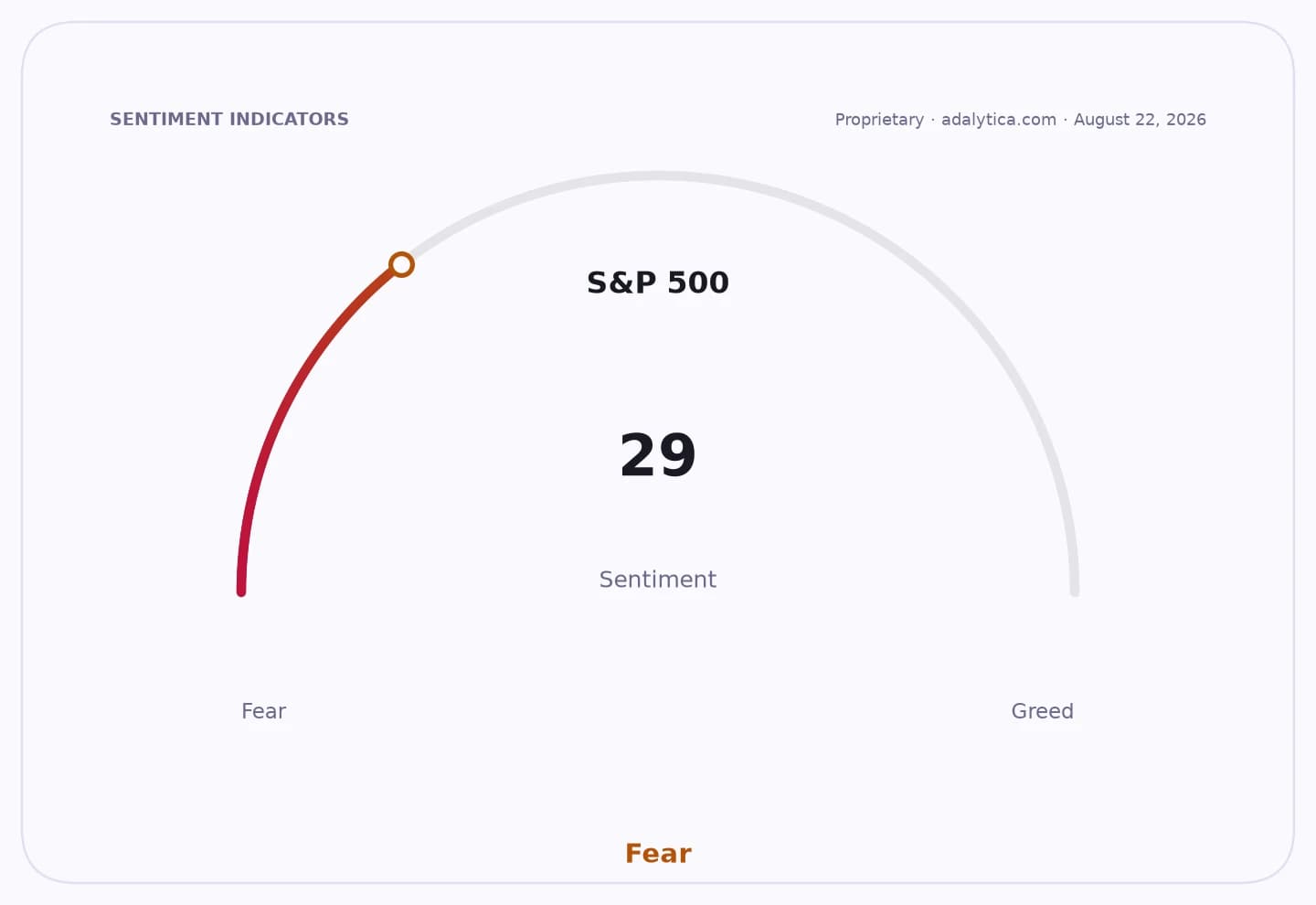
The U.S. labor market regained some footing in August, with a leading indicator from The Conference Board pointing to steadier payroll growth and less underemployment, even as layoffs remained contained rather than vanishing.
Conference Board Employment Trends Index Rises in August

The Conference Board’s Employment Trends Index rose to 108.53 in August from an upwardly revised 107.76 in July, extending a rebound that began after declines in May and June. The index is designed to foreshadow payrolls, so a higher reading suggests employment should continue to expand in the months ahead.
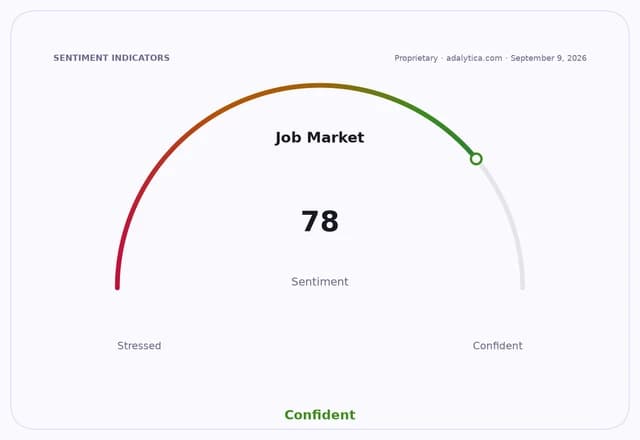
That matters because the U.S. economy is still balancing on a narrow path: strong enough to keep workers employed, but cool enough to reduce inflation pressure and give the Federal Reserve room to ease policy if needed. August’s gain suggests the labor market is not rolling over, even if it is no longer running at the pace seen earlier in the recovery.
Conference Board economic data scientist Conrad Qi said all eight components of the index have made positive average contributions over the past six months, though August’s components were mixed. The biggest boosts came from a lower ratio of involuntarily part-time workers to all part-time workers and from a smaller share of consumers saying jobs are hard to get. Together, those moves point to less hidden slack and a slightly better sense of job availability.
Temporary-help hiring rose in August and industrial production ticked higher, both signs that firms are still adding capacity and retaining flexibility. At the same time, initial jobless claims were the main drag on the index. Claims were still below June’s level, however, implying only a modest increase in layoffs rather than a broad-based deterioration.
The data also showed small businesses remained short of workers more often than usual, even though the share of firms unable to fill positions fell in the month. That combination is consistent with a labor market that is cooling from tight levels but not loosening abruptly.
For investors, the message is straightforward: the macro backdrop remains supportive of earnings and consumption, but not so hot that the Fed is forced into a more aggressive anti-inflation stance. That tends to favor a soft-landing narrative, helping cyclicals and domestic-demand plays while limiting the case for a sharp rally in long-duration bonds unless labor data soften further.
The risk for markets is that this kind of resilience keeps policy restrictive for longer if inflation proves sticky. But for now, the Conference Board’s gauge suggests the labor market is still doing the economy’s heavy lifting, with fewer signs of stress than would justify recession pricing.
| Entity | Gains | Losses |
|---|---|---|
| Workers | ▲steadier hiring outlook | ▼less wage bargaining leverage |
| Employers | ▲easier labor supply | ▼wage costs remain elevated |
| Fed doves | ▲softer slack data supports easing case | ▼slower disinflation could delay cuts |
| Bond bulls | ▲modest labor cooling limits rate shocks | ▼stronger employment can keep yields firm |