Canada’s manufacturing sector slipped back into contraction in October, and the drop matters because it points to weaker factory output, softer corporate demand and less momentum for an economy already leaning on rate cuts and trade-sensitive industries. The headline PMI fell to 49.6, below the 50 mark that separates expansion from contraction, signaling that the rebound in Canadian industry is losing steam just as businesses face tighter margins and more cautious ordering patterns.
Canada Manufacturing PMI Falls Back Below 50
For investors, the number reinforces a straightforward macro thesis: Canada’s industrial cycle is vulnerable, but that weakness is not evenly distributed. The immediate losers are manufacturers tied to capital spending, exports and cross-border supply chains, while the beneficiaries are those positioned for slower growth and lower rates. With the Bank of Canada having room to stay supportive if activity continues to soften, the PMI slump strengthens the case for defensive positioning in Canadian cyclicals and for selective exposure to rate-sensitive assets.
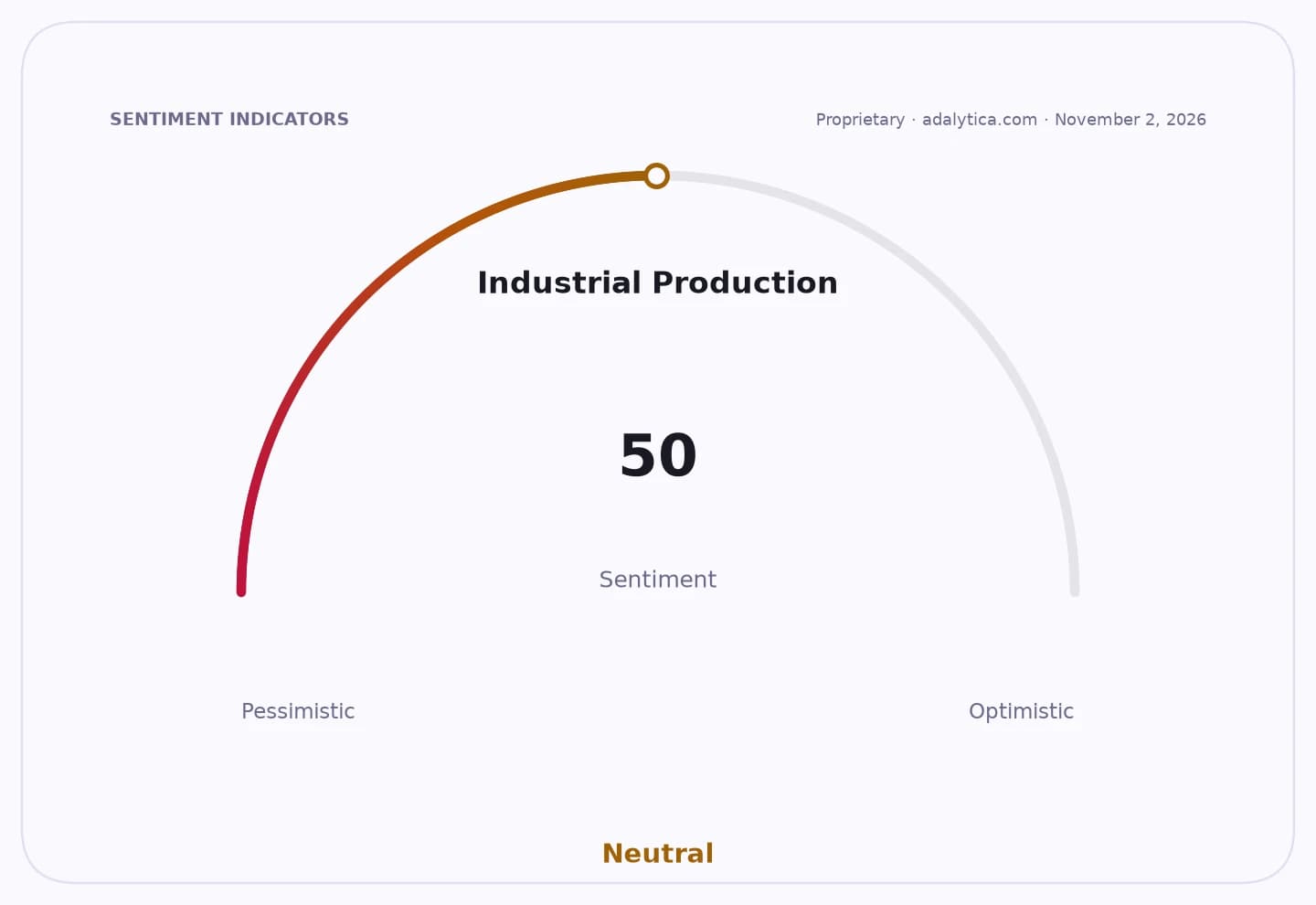
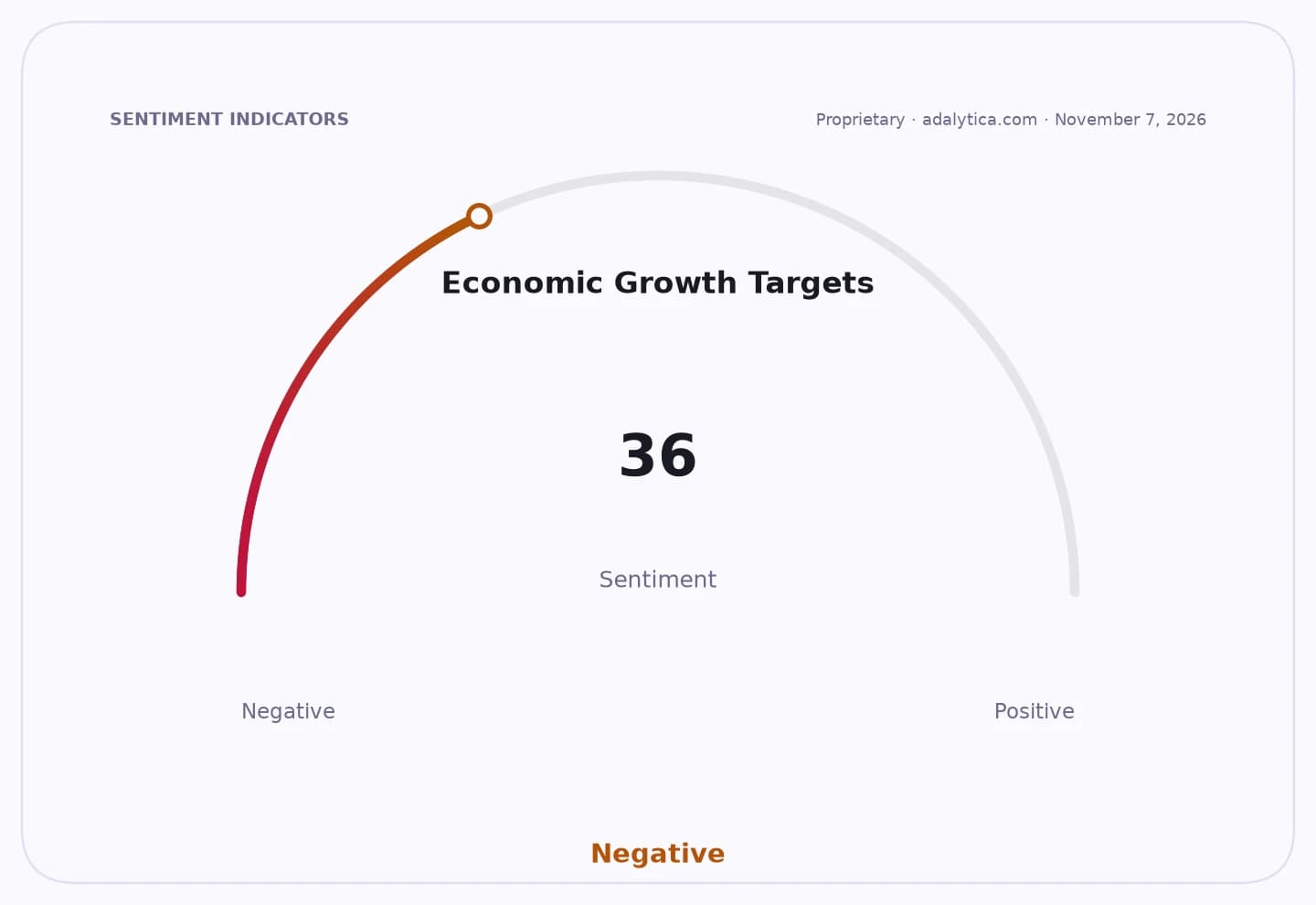
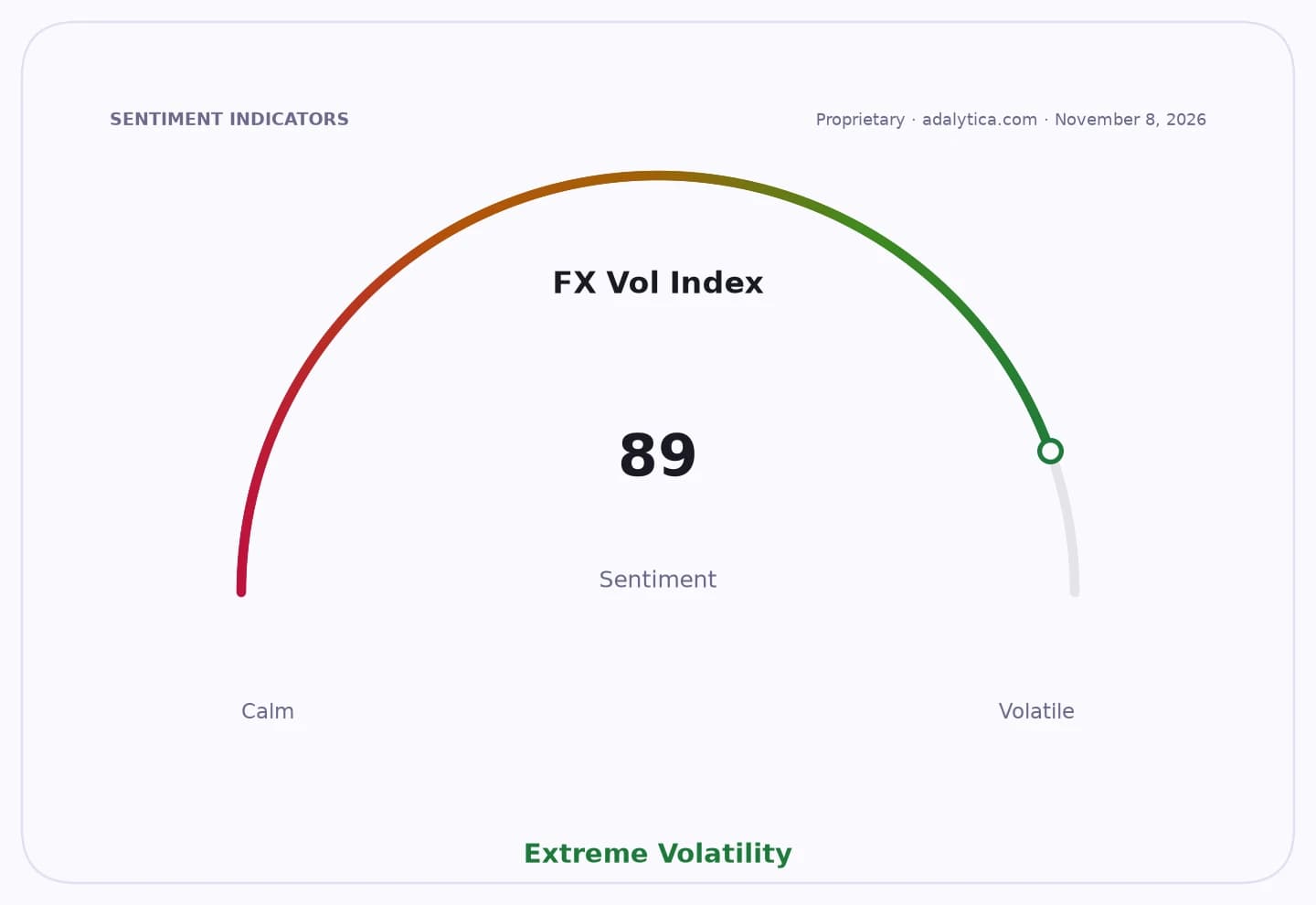
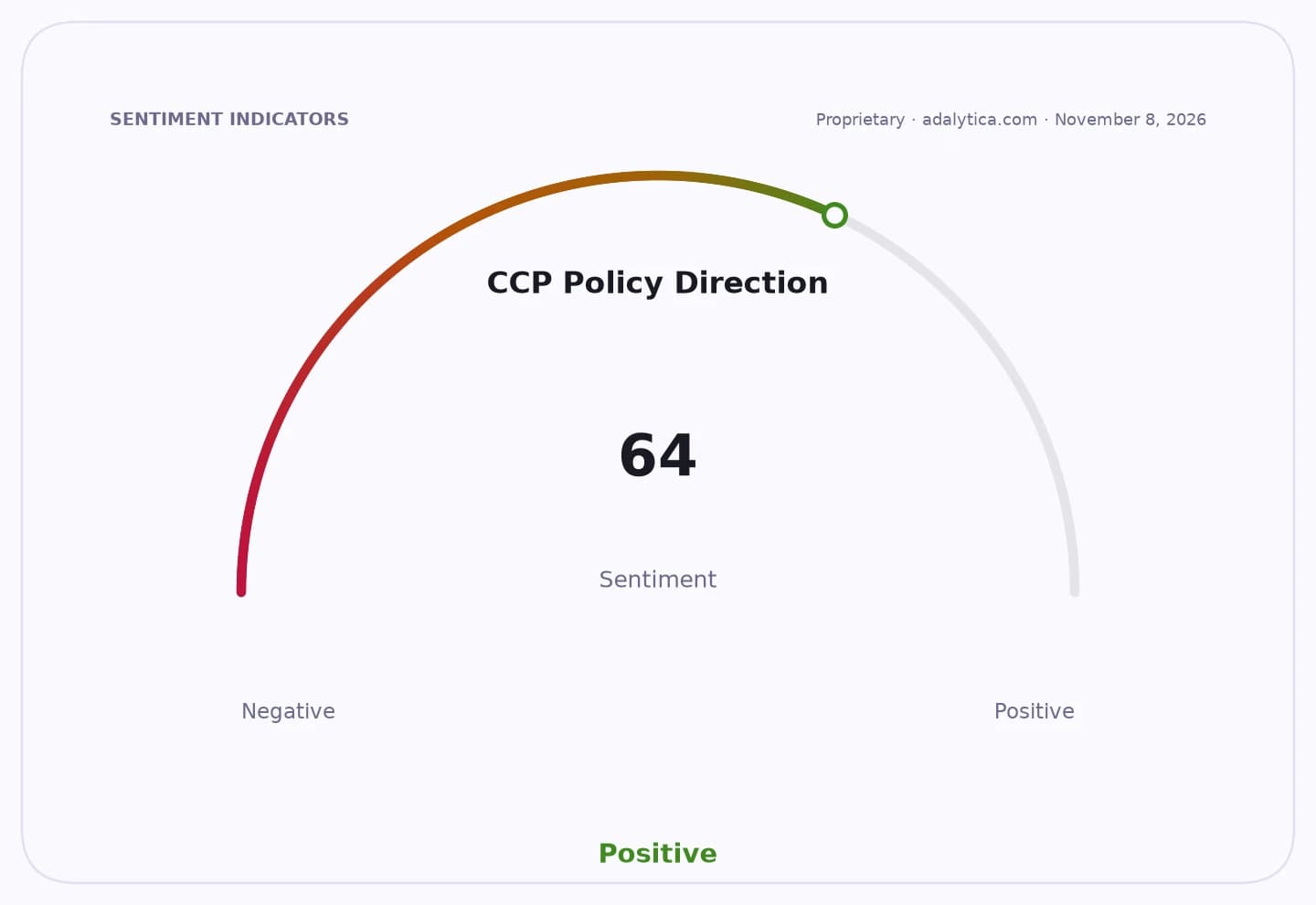
Sentiment Indicators
The message is showing up in markets. The Canadian dollar ETF FXC has been volatile around the low-70s, while the industrials ETF XLI has already given back part of its earlier strength and is trading below both its 50-day and 200-day moving averages. Canada-specific equities in EWC have held up better, but the broad industrial backdrop argues against chasing manufacturing-heavy names until the data improve. Standard technical indicators such as RSI and MACD on those funds suggest momentum has been fragile, not outright broken — the kind of setup that often precedes either a relief bounce or another leg lower if the macro data keep deteriorating.
What makes this report economically important is the linkage between factory activity, capital goods demand and trade exposure. A sub-50 PMI typically means weaker production schedules, lower hiring appetite and softer inventory restocking. That can ripple through transportation, machinery, metals and energy demand, while also feeding into slower nominal growth across the broader economy. In a country where manufacturing is closely tied to the U.S. cycle, any sustained contraction raises the odds that external demand is no longer enough to offset domestic softness.
PMI Trends vs FXCadalytica.com
Explore this data interactively — full history, time series and cross-market comparisons.
The narrative here is not simply that Canadian manufacturing weakened for one month. It is that the industrial recovery is now colliding with a more difficult trade and rate environment, and the market is underestimating how quickly that can change earnings trajectories. Our view is that investors should treat this as an early warning on Canadian cyclicals and look for the second-order beneficiaries: utilities, consumer staples, high-quality bond proxies and select Canadian exporters with pricing power and low leverage. If the next few readings confirm contraction, the rotation out of industrial sensitivity and into defensiveness could gain force.
| Entity | Gains | Losses |
|---|---|---|
| Defensive Canadian stocks | ▲Relative demand | ▼Cyclical enthusiasm |
| Banks and rate-sensitive assets | ▲Easier policy odds | ▼Growth optimism |
| Manufacturers and exporters | ▲Lower input pressure if rates fall | ▼Orders and margins |
| Industrial ETFs like XLI/FXC | ▲Tactical rebounds possible | ▼Momentum and sentiment |