Fixed mortgage rates remain pinned above 4% and are biased higher as Canadian and U.S. bond yields stay elevated, while variable rates could edge lower if central banks hold off on further tightening.
Canada mortgage rates stay above 4% as yields rise

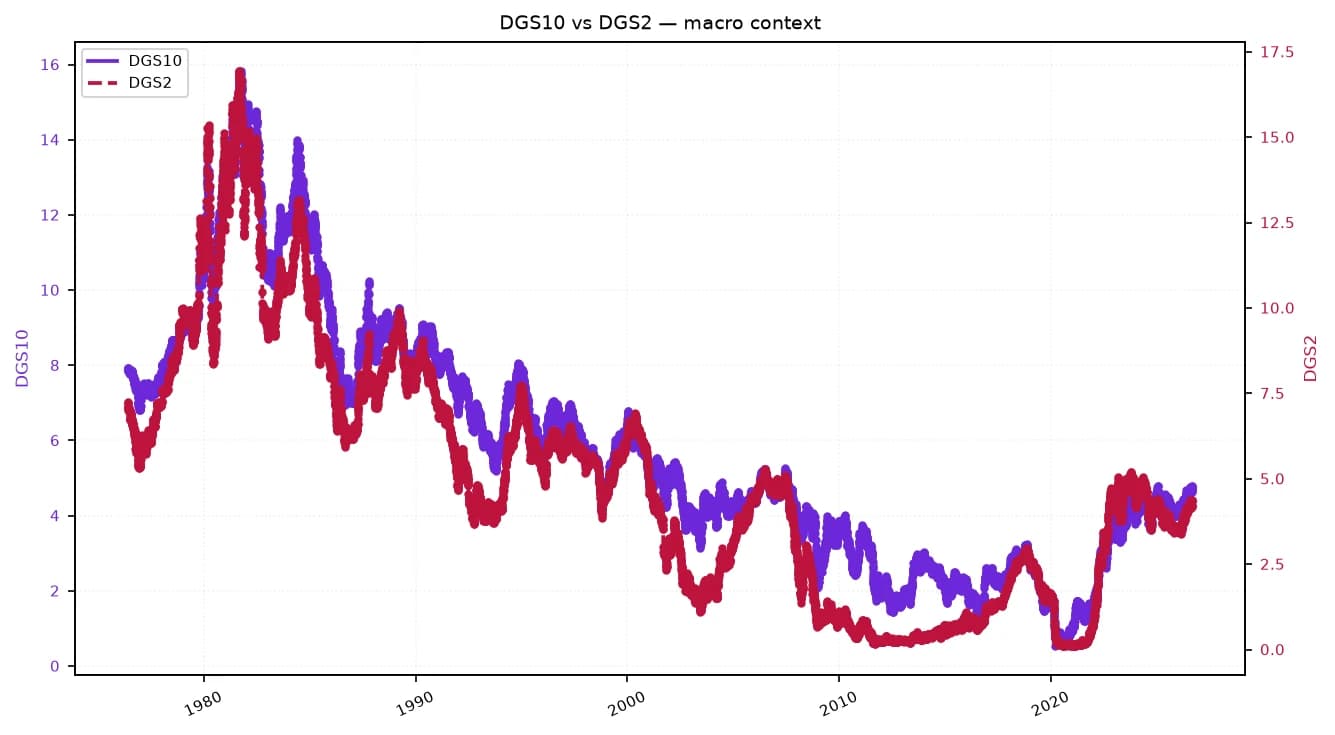
The key economic driver is the jump in long-term borrowing costs, not just in Canada but across North America. Canadian five-year bond yields, which underpin most fixed mortgage pricing, have been pushed higher by hawkish Bank of Canada commentary and by higher U.S. Treasury yields, which have stayed near 4.8% on the 10-year note. That matters because lenders price fixed-rate mortgages off wholesale funding markets, so higher sovereign yields usually feed directly into consumer borrowing costs.
Sentiment IndicatorsⓘProprietary · adalytica.com · September 4, 2026
This is a snapshot — live sentiment, awareness and momentum for 130+ markets update continuously in the dashboard.Open AlphaPulse
For homebuyers and existing borrowers, the split between fixed and variable rates is now more important than the level alone. Fixed rates offer payment certainty, but the spread versus variable loans is still not wide enough to force many borrowers to switch, according to Chartered Professional Accountants of Canada chief economist David-Alexandre Brassard. Variable mortgages could become cheaper if policy rates stabilize or fall, but that path depends on whether tariffs, energy prices and broader inflation pressures remain contained.
The macro backdrop argues for caution. Brassard said the downside risk from tariffs may be larger than the upside risk from higher oil prices, suggesting trade frictions could weigh on growth more than they lift inflation. That is an investor-relevant distinction: if trade weakness slows the economy, bond yields could eventually ease, pulling mortgage rates down; if inflation stays sticky, lenders will keep fixed rates elevated and households will remain squeezed.
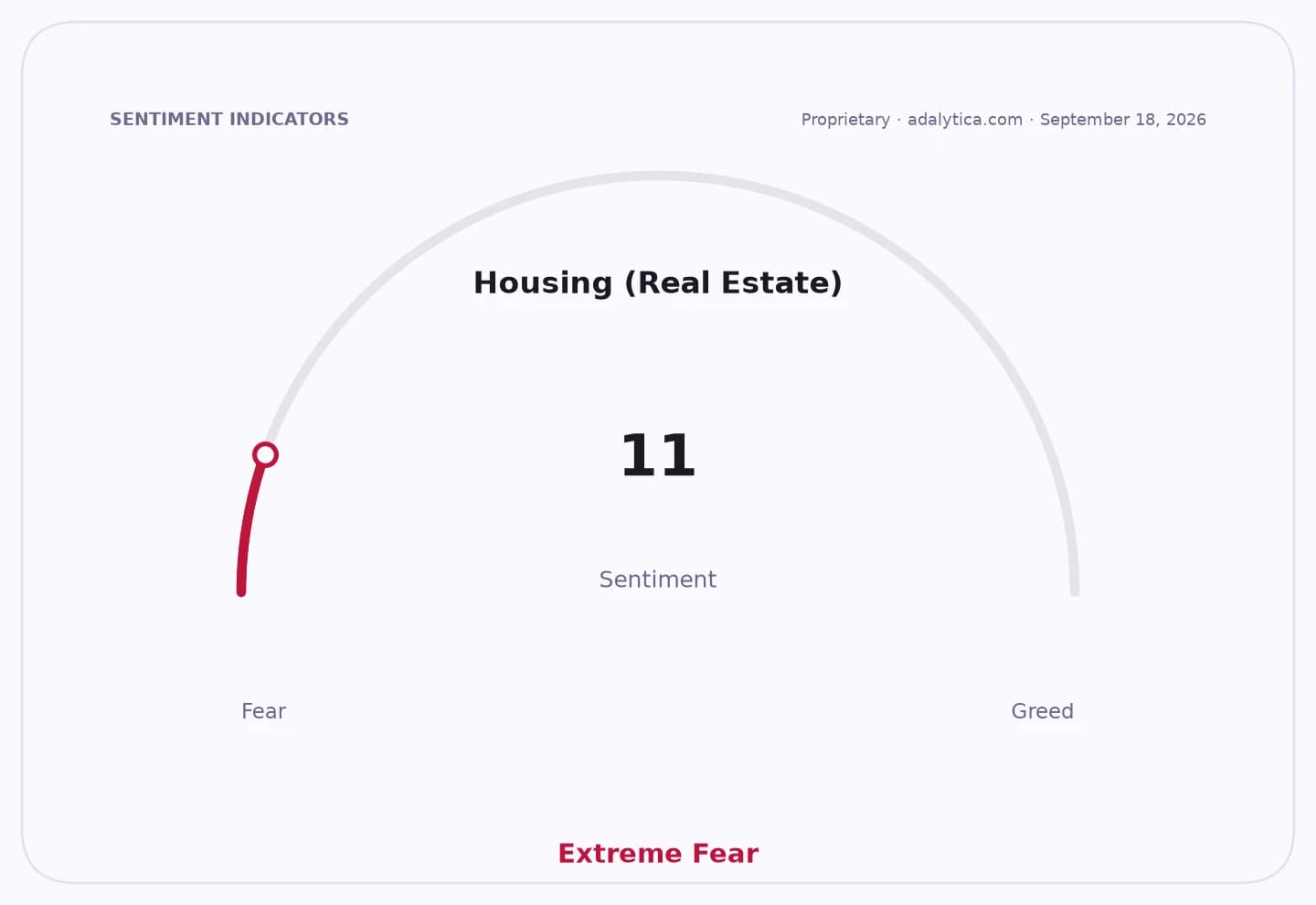
For mortgage lenders and housing-related equities, the message is mixed. Higher fixed rates can damp refinance activity and purchase demand, but a steeper or volatile yield environment can also support wider spreads and improve pricing power for lenders. Shares such as Rocket Companies and UWM Holdings remain closely tied to rate expectations, with recent trading showing the market still sensitive to even small moves in Treasury yields and mortgage rates. In parallel, sentiment around housing and rent inflation remains at an extreme level in Adalytica’s HOURE gauge, underscoring that affordability remains a live macro issue.
The near-term catalyst is the direction of Canadian and U.S. bond markets into the next central-bank decisions. Unless yields break lower, the week’s best mortgage offers are likely to stay costly by historical standards, keeping pressure on affordability, transaction volumes and housing-related credit demand.
| Entity | Gains | Losses |
|---|---|---|
| Borrowers with variable loans | ▲Lower payments if rates ease | ▼More uncertainty |
| Borrowers seeking fixed loans | ▲Payment certainty | ▼Higher upfront rates |
| Mortgage lenders | ▲Wider pricing power | ▼Softer refinance demand |
| Housing market | ▲Potential relief if yields fall | ▼Affordability stays strained |