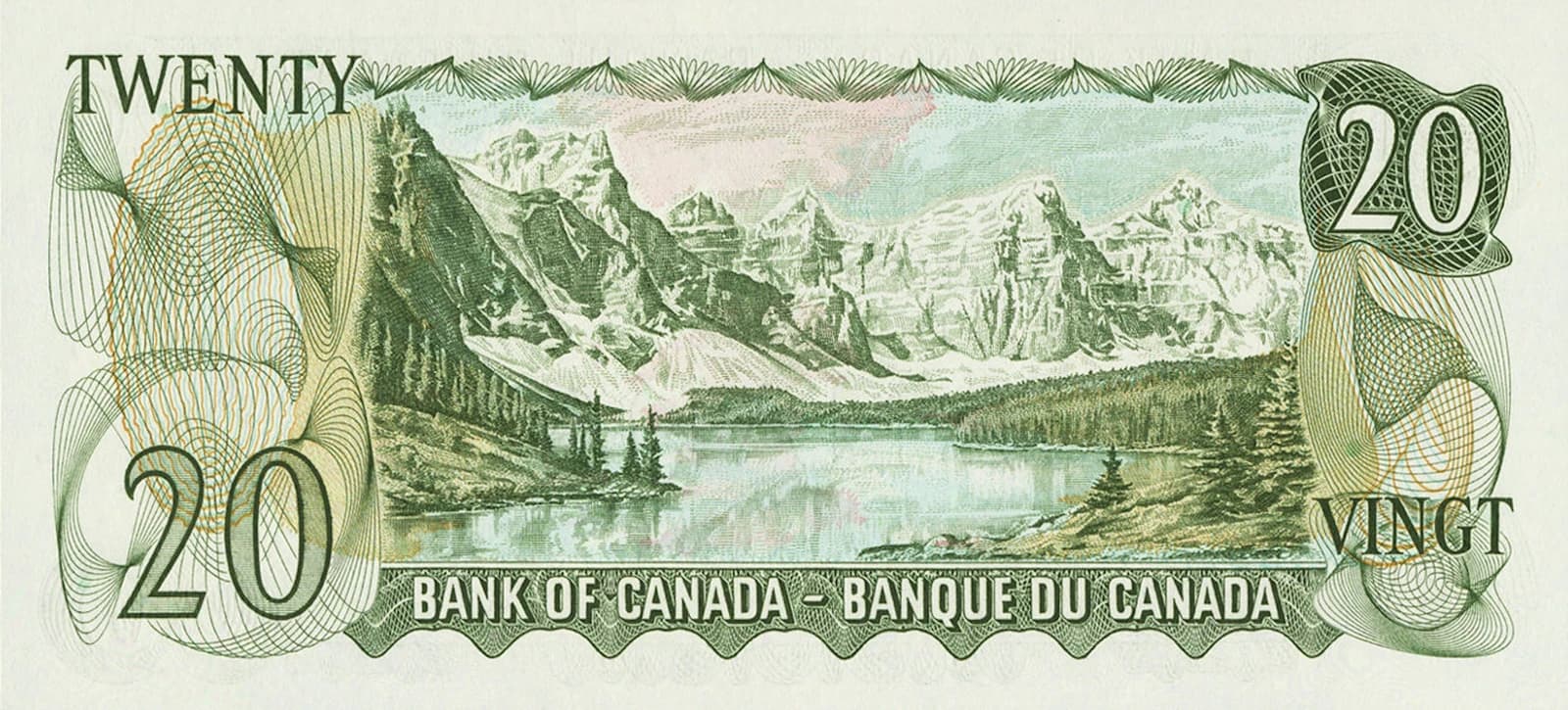
The Canadian dollar slipped to its weakest level in 19 months on Wednesday as stronger US data and tougher rhetoric from a Federal Reserve governor pushed Treasury yields and the greenback higher, widening the policy gap facing the loonie.
Canadian Dollar Falls to 19-Month Low vs US Dollar
Hawkish vs Dovish
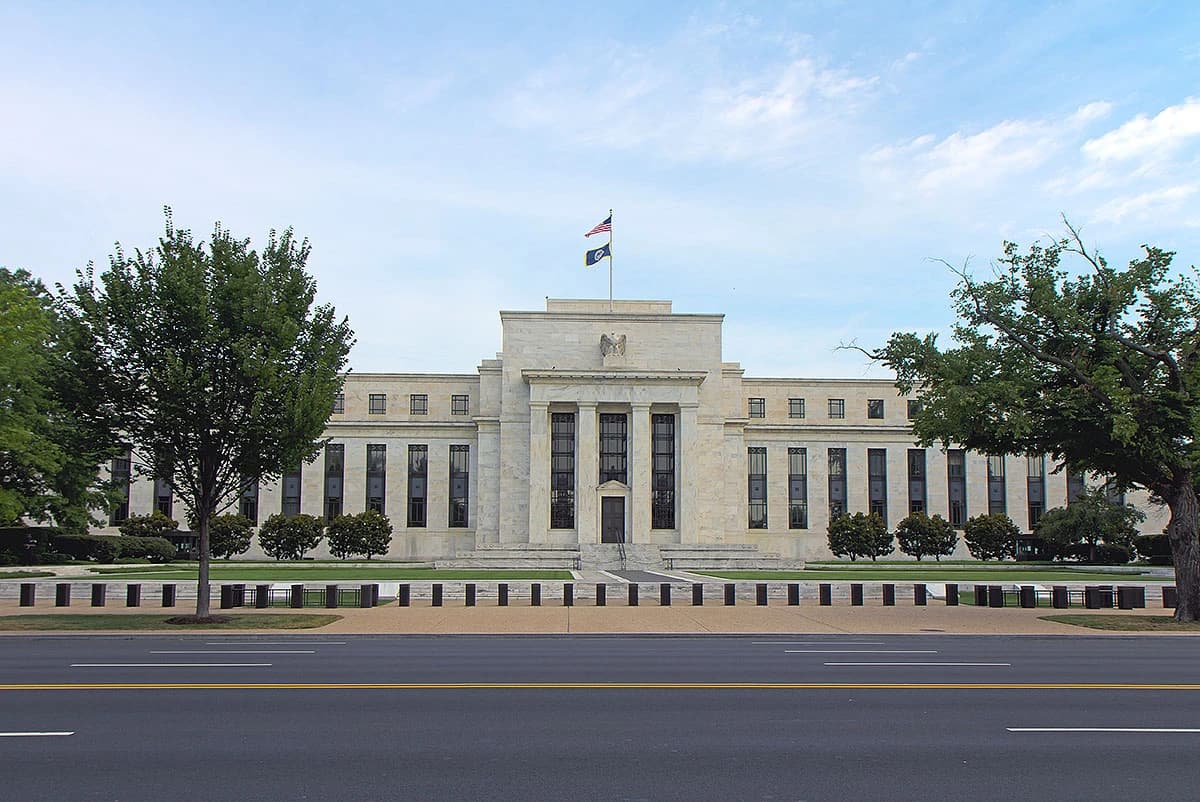
The currency traded 0.2% lower at 1.4325 per US dollar, or 69.81 US cents, after touching 1.4340, its weakest intraday level since April 2025. The move came as the US dollar strengthened broadly against major currencies, helped by a run of hotter US jobs and inflation figures and comments from Fed Governor Christopher Waller that the central bank needs to respond more aggressively to inflation.
Sentiment Indicators
For Canada, the timing matters because the loonie is already trading under pressure from falling oil prices and a US rate advantage that continues to attract capital south of the border. US crude dropped 4.1% to $82.50 a barrel after inventory data stoked supply-surplus concerns, removing one of the few supports for the Canadian currency and easing near-term inflation pressure in Canada.
The key driver is the widening short-end yield spread. The US two-year yield has moved about 21 basis points further above the Canadian equivalent since the start of the month, to 148.5 basis points, making the dollar more attractive for investors seeking income. Market pricing also still leaves room for the Bank of Canada to tighten again, with investors assigning roughly a 60% chance of a December rate increase, but that is not enough to offset the immediate pull from a more hawkish Fed.
That tension is reflected in the bond market as well. Canadian yields fell across a flatter curve, following US Treasuries, with the 10-year down 2.5 basis points at 3.795%. Lower domestic yields normally support growth-sensitive assets less than they support the currency, and in this case they underscore how much Canadian financial conditions are being set by moves in the US rather than by local fundamentals alone.
The broader narrative is one of a dollar rebound driven by shifting expectations for Fed policy, and the loonie is among the clearest casualties. Marc Chandler of Bannockburn Capital Markets said the greenback had looked “a bit heavy” until the stronger-than-expected jobs and inflation numbers changed the picture. “This has turned the dollar around broadly, not just against the Canadian dollar,” he said.
For investors, the implication is that the Canadian currency may remain vulnerable so long as US data keep surprising to the upside and Fed officials keep pushing against the idea of a quick pivot. That creates a difficult setup for Canadian assets tied to external demand, while exporters get some relief from a weaker loonie. Importers, rate-sensitive sectors and Canadian consumers face the opposite.
What matters next is whether the Bank of Canada can reassert its own tightening path, or whether the market keeps treating the Fed as the dominant force. If US yields extend higher and oil stays soft, the loonie could remain under pressure even if Ottawa’s central bank delivers another hike in December.
| Entity | Gains | Losses |
|---|---|---|
| US dollar | ▲Higher yield appeal | ▼Canadian dollar buyers |
| Canadian exporters | ▲Better foreign revenue translation | ▼Importers and hedgers |
| Bank of Canada hawks | ▲More case for December hike | ▼Rate-sensitive borrowers |
| Oil producers | ▲None from this move | ▼Loonie support, terms of trade |