CAP is back at levels last seen in mid-2020 as weaker iron ore pricing, surging freight costs and a heavier debt load force investors to reassess how quickly the Chilean miner can repair margins and balance sheet pressure.
CAP shares hit mid-2020 lows on debt pressure
That matters because this is no longer just a bad quarter. CAP’s business model is being squeezed from both sides: the revenue line is under pressure from softer realized iron ore economics, while the cost line is being hit by shipping and weather-related disruptions. In a market that has rewarded cleaner balance sheets and stronger cash generation, CAP is becoming a test case for how much cyclical pain investors are willing to absorb before they demand a lower valuation.
Sentiment Indicators
The stock fell to around 3,450 pesos, its lowest since mid-2020, after third-quarter results missed expectations by a wide margin. CAP lost $71 million in the quarter, more than four times the loss a year earlier, while EBITDA collapsed 82.8% to $21.9 million. For the first nine months of the year, losses reached $127.8 million, revenue fell 5.4% to $1.25 billion and EBITDA dropped 32.8% to $198.2 million.
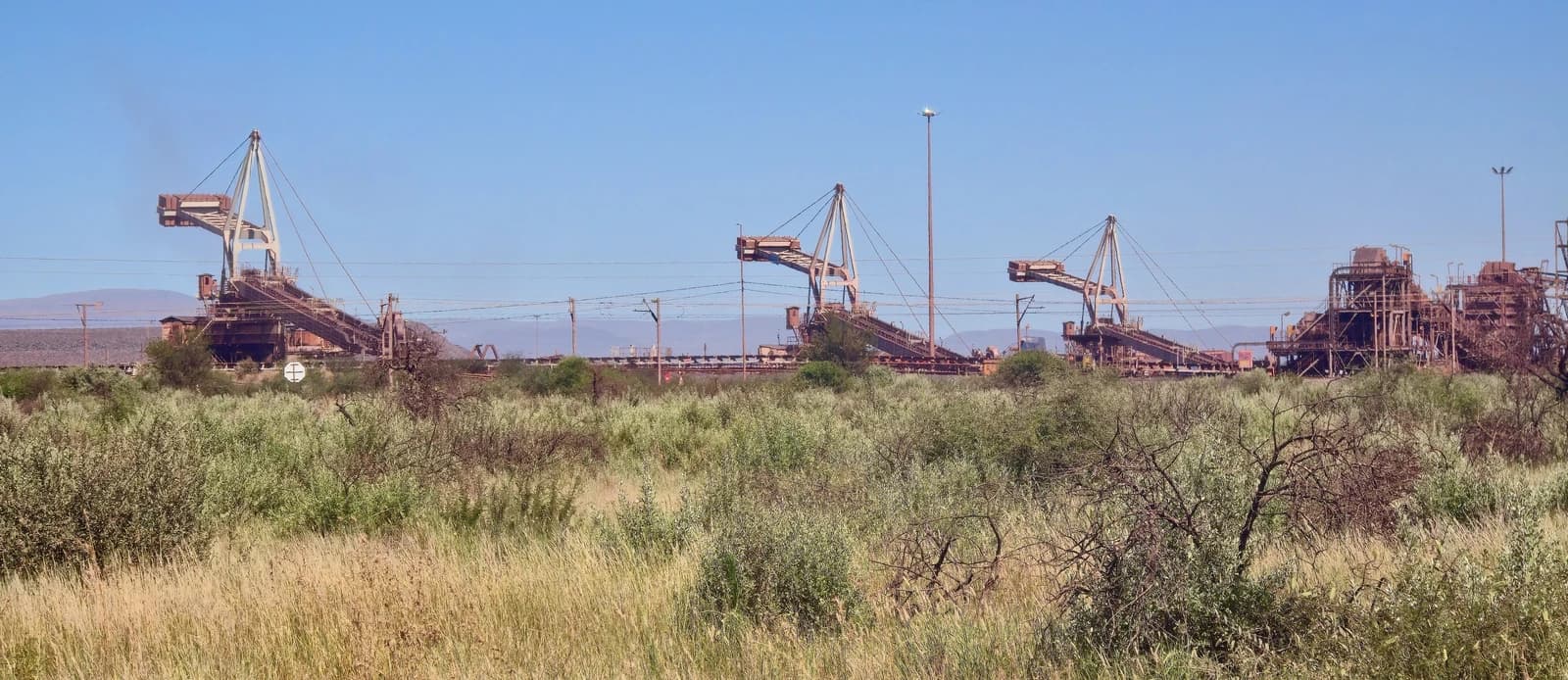
The weak operating performance is being driven primarily by Compañía Minera del Pacífico, the iron ore arm that is central to CAP’s earnings power. Bci Research said iron ore with 61% purity averaged about $97 a ton in the quarter, while the premium for higher-grade ore narrowed to $15.9. At the same time, shipping costs to China climbed to about $37 a ton, up more than 50% from a year earlier, cutting into realized prices. On top of that, CAP’s C1 cash cost rose to $56.9 a ton, above the company’s own guidance range, after extraordinary July rains disrupted operations in northern Chile.
The company has already responded by cutting its 2026 production outlook to about 14 million tons, down from a prior range of 14.6 million to 15.1 million tons. Recovery at Los Colorados has been pushed back to early 2027, delaying the rebound that bulls had been expecting.
The deeper concern for investors is leverage. Net debt rose to $1.4 billion at the end of September, pushing net debt to EBITDA to 3.4 times from 2.7 times at the end of the second quarter. That is uncomfortably close to the four-times threshold in some debt covenants, and management is now seeking temporary waivers from creditors. S&P Global Ratings cut CAP to BB- from BB in late October and kept the outlook negative.
This is why broker sentiment has turned uniformly cautious. MBI slashed its target price to 3,750 pesos from 6,000, while Credicorp Capital kept a hold rating with a 6,400-peso target and Bci Research trimmed its valuation to 5,900 pesos for 2027. JPMorgan also lowered its target to 5,600 pesos. None of the major firms is recommending outright buying the stock.
For investors, the setup is clear: CAP has become a levered call on iron ore pricing, freight rates and execution on its operational turnaround. If iron ore stays near current levels and transport remains expensive, earnings recovery will stay muted and the equity will keep looking like a balance-sheet story rather than a rerating story. But if CAP can stabilize Los Colorados, cut costs and bring leverage down, the stock has room to recover sharply from a deeply depressed base.
The broader investment takeaway is that CAP is now priced for skepticism, not recovery. That can create opportunity in cyclical names, but only for investors willing to wait for proof that margins, volumes and debt metrics are turning before the market does.
| Entity | Gains | Losses |
|---|---|---|
| CAP creditors | ▲Higher protections | ▼Less flexibility |
| CAP shareholders | ▲Potential rebound if turnaround works | ▼Dilution/de-rating risk |
| Iron ore suppliers with lower costs | ▲Stable demand | ▼Lower premium pricing |
| Freight operators | ▲Higher shipping revenue | ▼CAP’s margins |