Keel Infrastructure sold $192 million of bitcoin in the third quarter as the former Bitfarms accelerates its break from crypto mining and redirects capital toward building AI data centers, a shift that could determine whether the company becomes an infrastructure landlord or remains a lower-margin miner.
Keel Infrastructure Sells $192M Bitcoin for AI Buildout
The sale is economically significant because it turns a volatile treasury asset into cash for long-dated development spending at a time when demand for power, land and permitted sites is becoming one of the scarcest inputs in AI infrastructure. For miners that own energy assets, the pivot offers a route away from dependence on bitcoin prices and toward recurring rental income from compute customers, but it also pushes cash flow further into the future and leaves execution risk squarely with management.
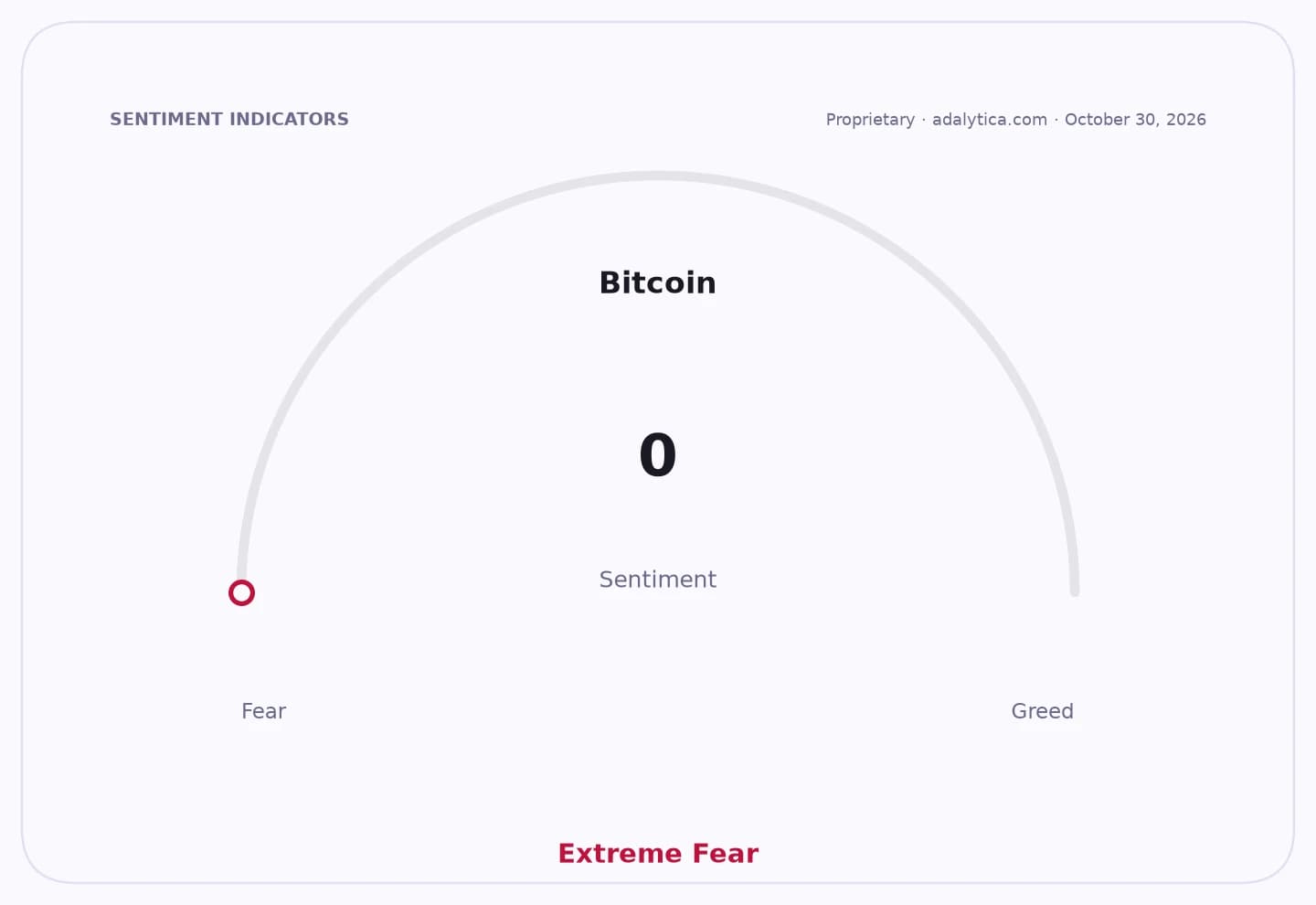
Sentiment Indicators
Keel said it sold 2,520 bitcoin in the quarter, including its entire 2,261-coin treasury position and 259 newly mined coins. Holdings at Sept. 30 were described as nominal, not zero, and bitcoin produced by the remaining Quebec operation will now be sold daily. That policy reduces exposure to swings in bitcoin on the balance sheet, but it does not remove the effect of the token’s price on mining revenue from the shrinking legacy business.
The company’s latest results underscore why the pivot is happening. Third-quarter revenue from continuing operations fell 59% to $27.6 million from $68 million a year earlier, hurt mainly by the shutdown of U.S. bitcoin mining operations and a lower average bitcoin price. Keel, based in New York after moving its parent company from Canada and rebranding in April, is effectively asking investors to value a different business from the one they originally bought.
That re-rating is the central issue for the stock. A miner once judged on hashrate, bitcoin production and treasury accumulation is now trying to be assessed like a data center developer, where returns depend on permitting, grid access, lease negotiations and the ability to attract AI tenants. Keel’s first high-performance computing revenue is not expected until 2027, leaving a long gap in which it must fund construction without the support of meaningful rental income.
The company said Moses Lake in Washington has all necessary permits and began construction in September, and it expects that site to be its first energized location generating high-performance computing revenue in 2027. Sharon and Panther Creek in Pennsylvania remain earlier in the process, with three permits cleared and four environmental permits still outstanding, two in draft form. Keel’s broader pipeline totals 2.2 gigawatts, but that is only prospective capacity, not contracted demand or earnings.
For investors, the appeal is obvious: energy-rich crypto companies already control the sort of infrastructure AI operators need, and the market has rewarded exposure to the theme. The risk is just as clear. Converting mining assets into AI campuses is capital-intensive, heavily regulated and dependent on customer commitments that are not yet in hand. Selling bitcoin can finance the transition, but it also removes a source of upside if crypto prices rally.
The trade is now about whether Keel can execute before the current cash cushion is exhausted. If the company secures tenants and brings sites online on schedule, the pivot could improve revenue quality and multiple expansion. If permitting drags or AI leasing falls short, the move away from bitcoin could leave investors with a thinner mining franchise and an expensive development pipeline still waiting to produce cash.
| Entity | Gains | Losses |
|---|---|---|
| Keel Infrastructure | ▲Cash for AI buildout | ▼Bitcoin upside exposure |
| AI tenants | ▲Future data center capacity | ▼Less near-term supply certainty |
| Bitcoin holders | ▲Less selling pressure later | ▼Treasury support from miner reduced |
| Mining shareholders | ▲Long-term infrastructure optionality | ▼Near-term revenue and margin pressure |