Bitcoin and Ethereum are still getting bought by the biggest digital-asset treasury firms, and that matters because these companies can absorb a meaningful share of newly created coins even when the broader market is shaky.
Strategy and Bitmine Keep Buying Bitcoin and Ether
In the week ending Nov. 1, Strategy bought 811 bitcoin and Bitmine Immersion Technologies added 8,573 ether, underscoring that the treasury model has not disappeared even as the pace of accumulation has slowed sharply from a year ago. The buying is no longer the force it was when crypto markets were surging, but it still removes supply from circulation at a time when many investors are already cautious and leverage is being flushed from the market.
Sentiment Indicators
That supply effect is especially important for bitcoin. Strategy, the original corporate bitcoin accumulator, held 849,327 BTC as of Nov. 5, or about 4% of the 21 million-coin maximum. Bitcoin miners are currently producing roughly 450 BTC a day, so even a reduced pace of accumulation can still matter if treasury firms and other large buyers continue to compete for a limited flow of new supply. In the second quarter, Strategy’s holdings grew by 83,901 BTC, more than twice the amount newly mined in that period. By the third quarter, net additions had slowed to 1,666 BTC, but the company remained a net buyer.
The bigger point for investors is that this demand is structural, not purely speculative. Digital asset treasury companies raise capital through stock, preferred shares or debt and use it to buy crypto for their balance sheets. When their market values fall below the value of the coins they hold, that model becomes harder to sustain, and some of the smaller names have already folded. Bitwise Asset Management said in an October report that at least a dozen bitcoin treasury businesses launched in 2025 have since sold all their holdings, mostly to repay debt or return cash to shareholders.
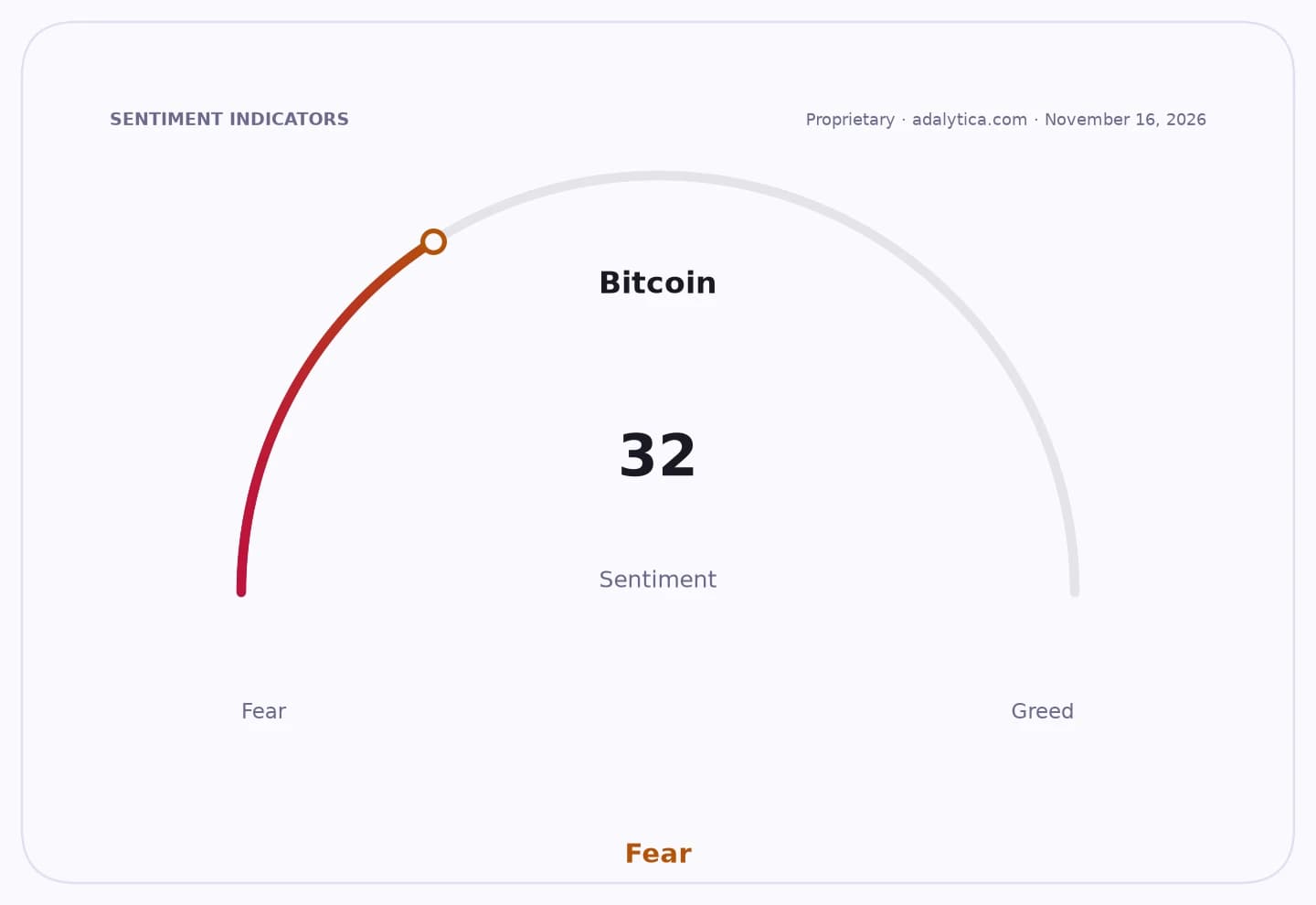
Even Strategy has had to sell some bitcoin to meet obligations, including preferred dividends and stock buybacks, but it still ended the period as a net buyer. That distinction matters because the market is not just watching absolute purchases; it is watching whether the corporate treasury bid remains persistent enough to offset miner output and weak retail demand. With bitcoin now well below its recent highs and Adalytica’s Bitcoin Fear & Greed Index in neutral territory after a steep 30-day drop, the near-term backdrop is fragile. But as long as a few large balance-sheet buyers remain active, the free float available to other buyers stays tighter than it would otherwise be.
Ethereum presents a different but related case. Unlike bitcoin, it has no hard supply cap, so treasury buying has to be larger relative to new issuance to create the same squeeze. Even so, Bitmine, the largest ether treasury company, held 6,060,506 ETH as of Nov. 5, or 4.9% of supply, and has been buying more each week since late June 2025. In the last week of October, its purchases were equal to 44% of Ethereum’s net new weekly supply. That is meaningful because Ethereum’s annual supply growth is only about 0.8%, and part of each transaction fee is burned, so rising network activity can make the asset scarcer over time.
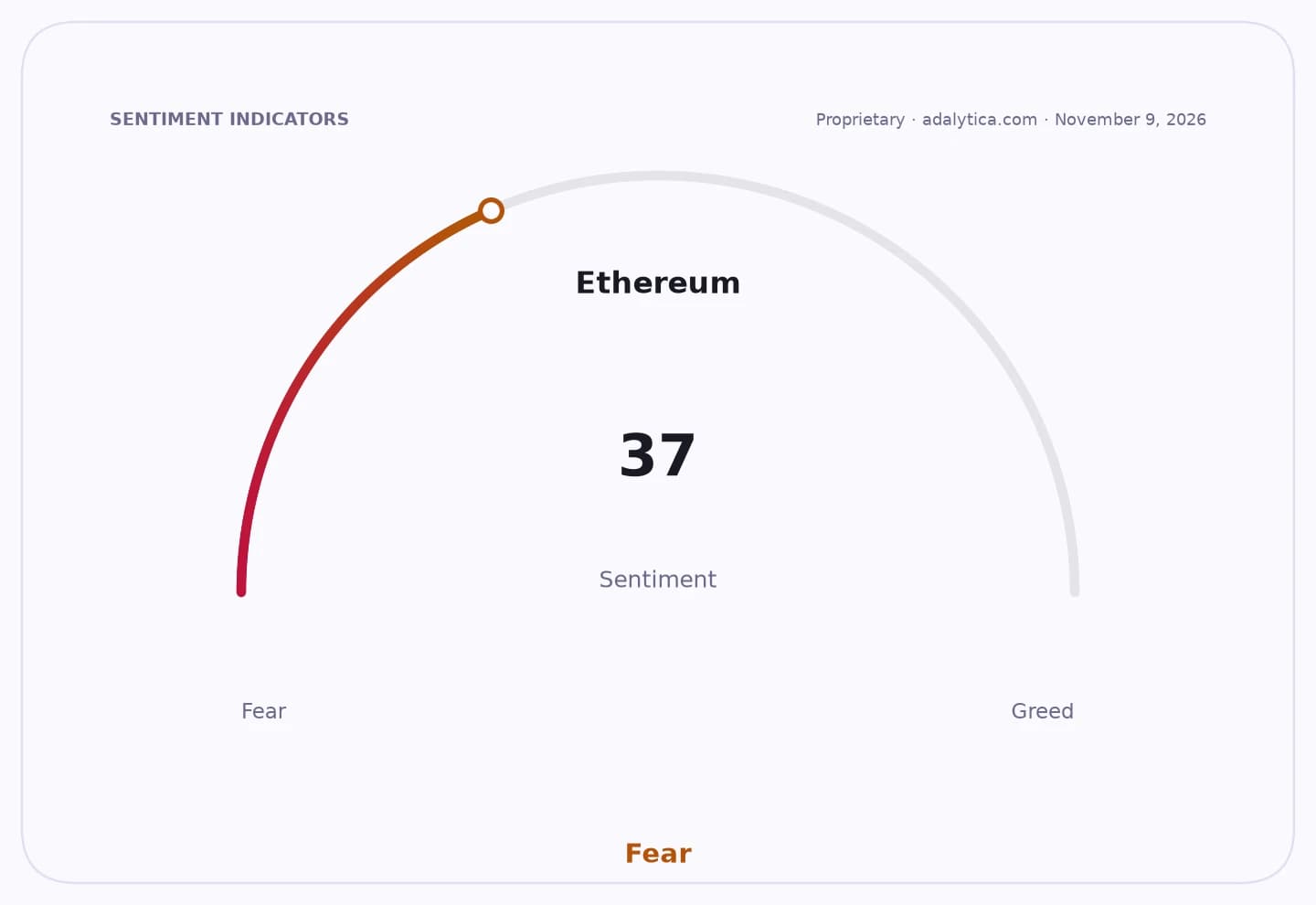
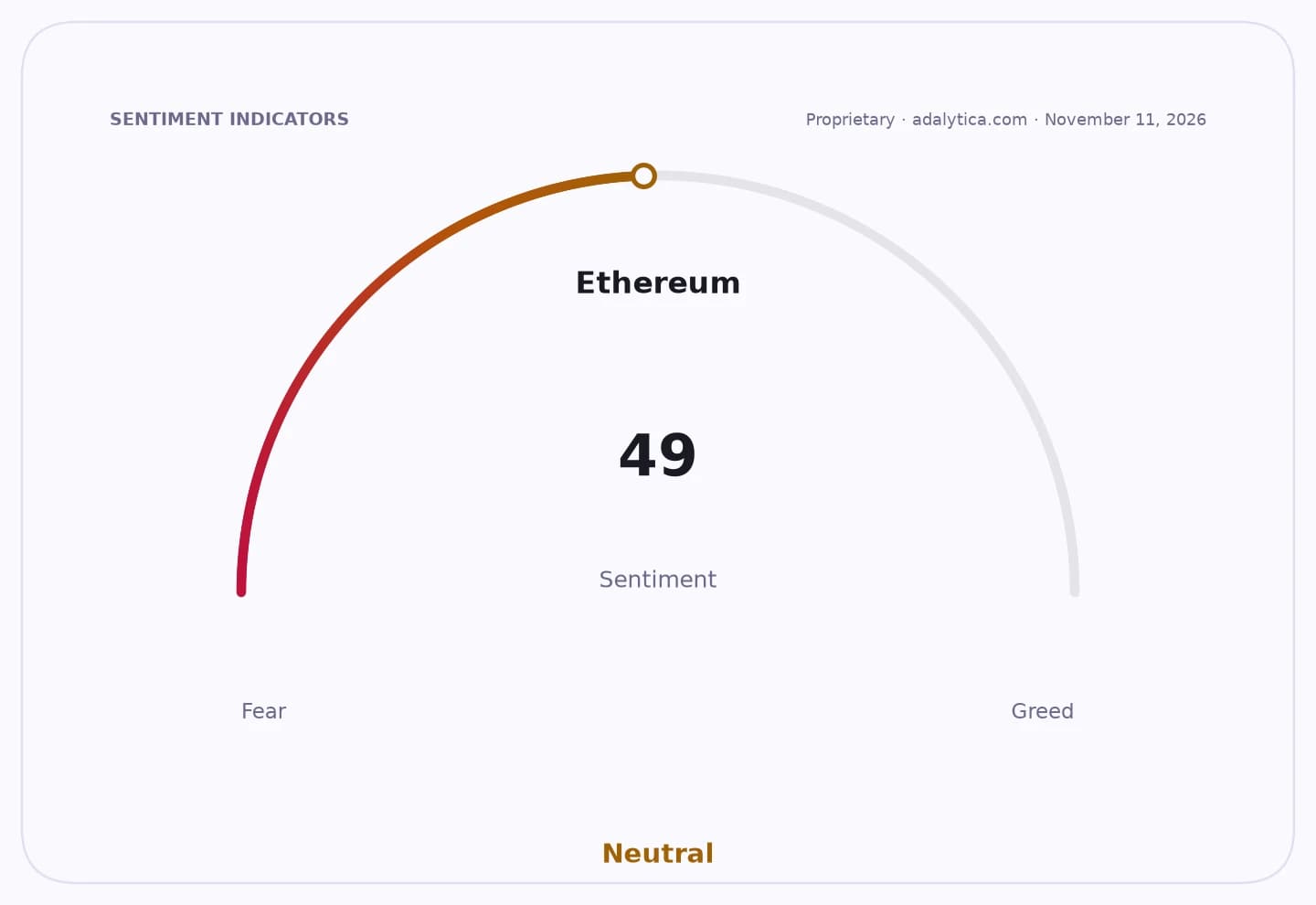
The bullish case for ether is broader than treasury buying alone. Ethereum benefits from the growth of decentralized finance, stablecoin settlement and other on-chain activity, all of which can increase the amount of ether burned and reduce effective supply growth. The bearish case is that ether remains more exposed than bitcoin to competition from other blockchains and to cyclically weak network activity. Adalytica’s Ethereum Fear & Greed Index is in extreme fear, reflecting how sharply sentiment has deteriorated after the recent selloff and a wave of forced liquidations across crypto markets.
For investors, the key takeaway is that treasury demand has not vanished; it has just become less explosive. That means bitcoin and ether are no longer being propelled by the same momentum that defined earlier phases of the cycle, but the persistent buying from Strategy, Bitmine and a handful of other large holders still helps tighten supply. If market conditions stabilize and these firms keep accumulating, that could support prices even before broader risk appetite returns. If they slow further or reverse course, the supply cushion disappears quickly.
| Entity | Gains | Losses |
|---|---|---|
| Strategy | ▲Lower circulating bitcoin supply | ▼Balance-sheet flexibility |
| Bitmine Immersion Technologies | ▲Ether accumulation advantage | ▼Exposure to ETH price weakness |
| Bitcoin/Ethereum holders | ▲Potential supply squeeze | ▼Near-term volatility |
| Smaller DAT firms | ▲Lower competition for capital | ▼Model viability and funding access |