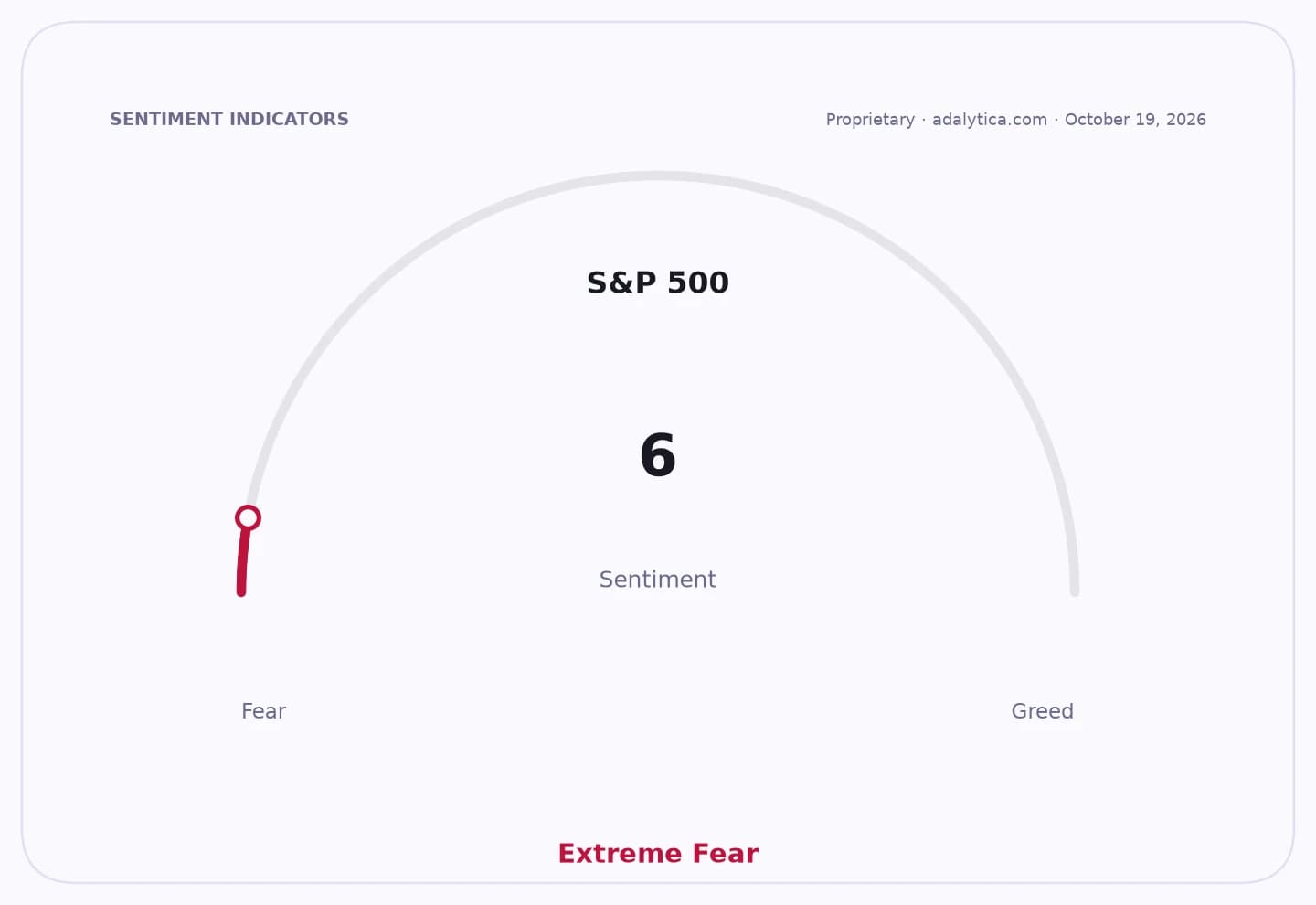
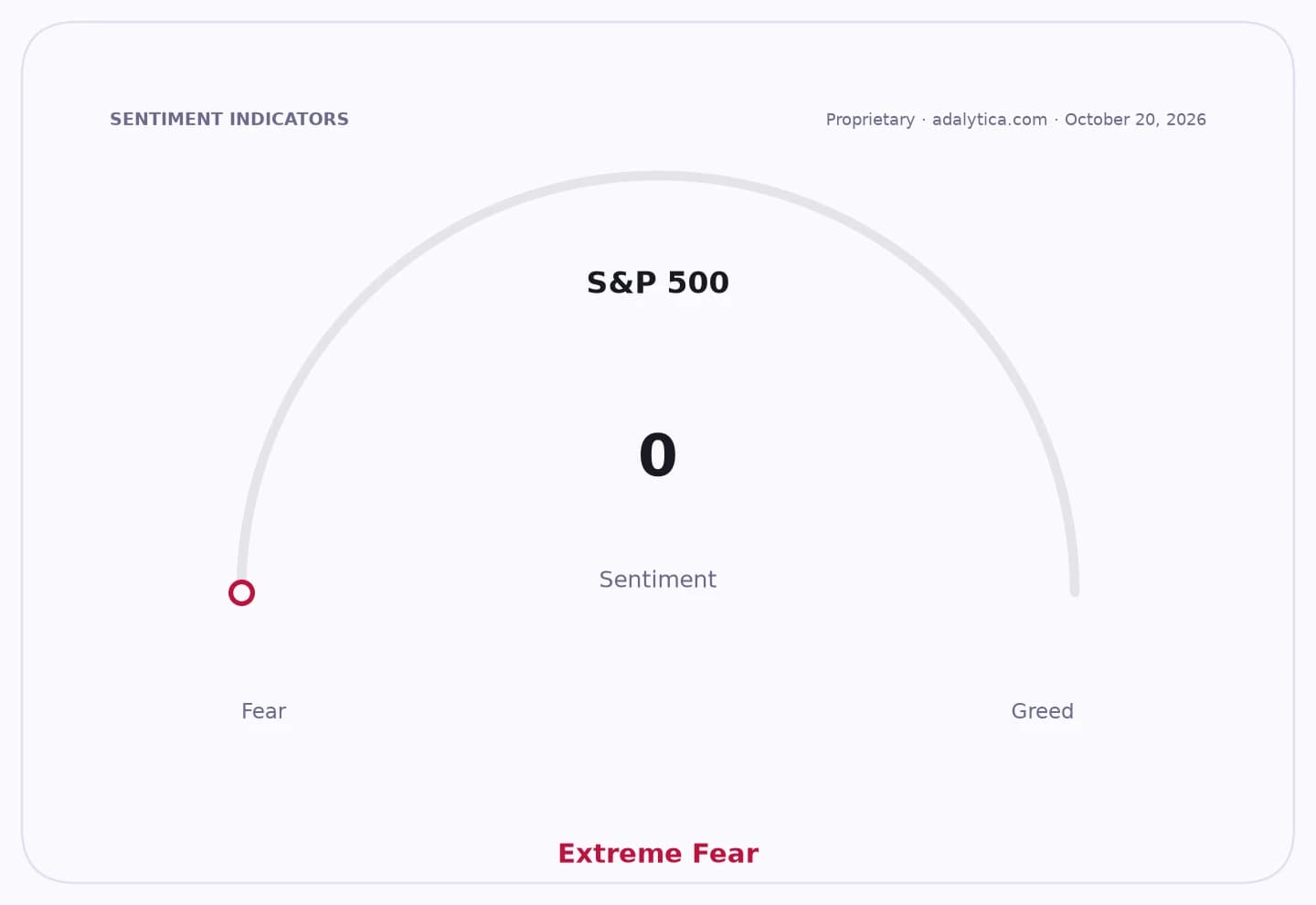
CoreWeave’s slide and JB Hunt’s drop put two pressure points in focus for investors: the cost of capital is biting harder in AI infrastructure, while transportation margins are being squeezed by an uglier cost backdrop.
CoreWeave and JB Hunt Fall on Rates and Margins

The move matters because both stocks sit at the intersection of growth and financing. CoreWeave, one of the market’s most levered names in the AI buildout, has been vulnerable to the repricing of debt and equity funding as Treasury yields stay elevated. JB Hunt, meanwhile, is being punished for rising operating costs just as freight demand remains uneven, underscoring how hard it is for logistics companies to defend margins in a slower-growth, higher-cost economy.

The macro backdrop is doing part of the work. The 10-year Treasury yield was last around 5.1%, keeping financing conditions tight for companies that need continuous access to capital markets. Inflation is still sticky enough to keep pressure on wages, fuel and equipment costs: the consumer price index was up 0.65% in September from a month earlier, while producer prices rose 2.77% and are forecast to ease only modestly next month. For capital-intensive businesses, that combination raises the hurdle rate on new investment and limits the room for aggressive leverage.
CoreWeave’s share price has been especially fragile. The stock fell to $63.07 on Monday after trading as high as $122.54 in April, a drop that reflects how quickly sentiment can reverse in the most speculative corners of the AI trade. It is also well below its 200-day moving average of about $92.40, with relative strength readings in the high 20s, a sign that the market is treating the name as technically and fundamentally broken. For bulls, the pullback could reflect overreaction to financing concerns in a business still tied to strong AI demand. For bears, it is a warning that growth at almost any cost is colliding with a more punishing funding environment.
JB Hunt’s decline is less dramatic, but more instructive. The stock closed at $225.49, below its 50-day and 200-day moving averages, after earlier this year briefly traded above $297. The breakdown follows a stretch of volatility that suggests investors are reassessing how much pricing power the trucking and intermodal complex really has when costs move higher. Rising fuel, labor and equipment expenses can eat into returns quickly if shippers resist higher rates, and the latest move implies the market is not yet convinced those costs can be passed through cleanly.
The broader investment message is that higher-for-longer rates are not just a bond-market story. They are filtering into equity valuations, especially for companies that rely on external funding or operate with thin margins and heavy capital needs. CoreWeave is the more obvious financing case, but JB Hunt shows the same macro regime working through operating leverage in the real economy.
That leaves investors with a familiar split. In CoreWeave, the question is whether AI demand can outrun debt stress. In JB Hunt, the question is whether freight volumes and pricing can offset inflation in the cost base. Until Treasury yields ease or earnings show stronger margin resilience, both names are likely to remain hostage to the same market force: the price of capital.
| Entity | Gains | Losses |
|---|---|---|
| Higher-rate lenders | ▲better yield on credit | ▼weaker borrower demand |
| CoreWeave bulls | ▲AI infrastructure exposure | ▼leverage and refinancing risk |
| JB Hunt customers | ▲lower freight pricing power | ▼pass-through cost pressure |
| Equity investors | ▲selective opportunities | ▼margin compression risk |