Owning a car is getting more expensive, and the biggest savings often come from how long you keep the vehicle and how smartly you use it, not from skimping on maintenance.
Car Ownership Costs Rise With Fuel, Parking, Repairs
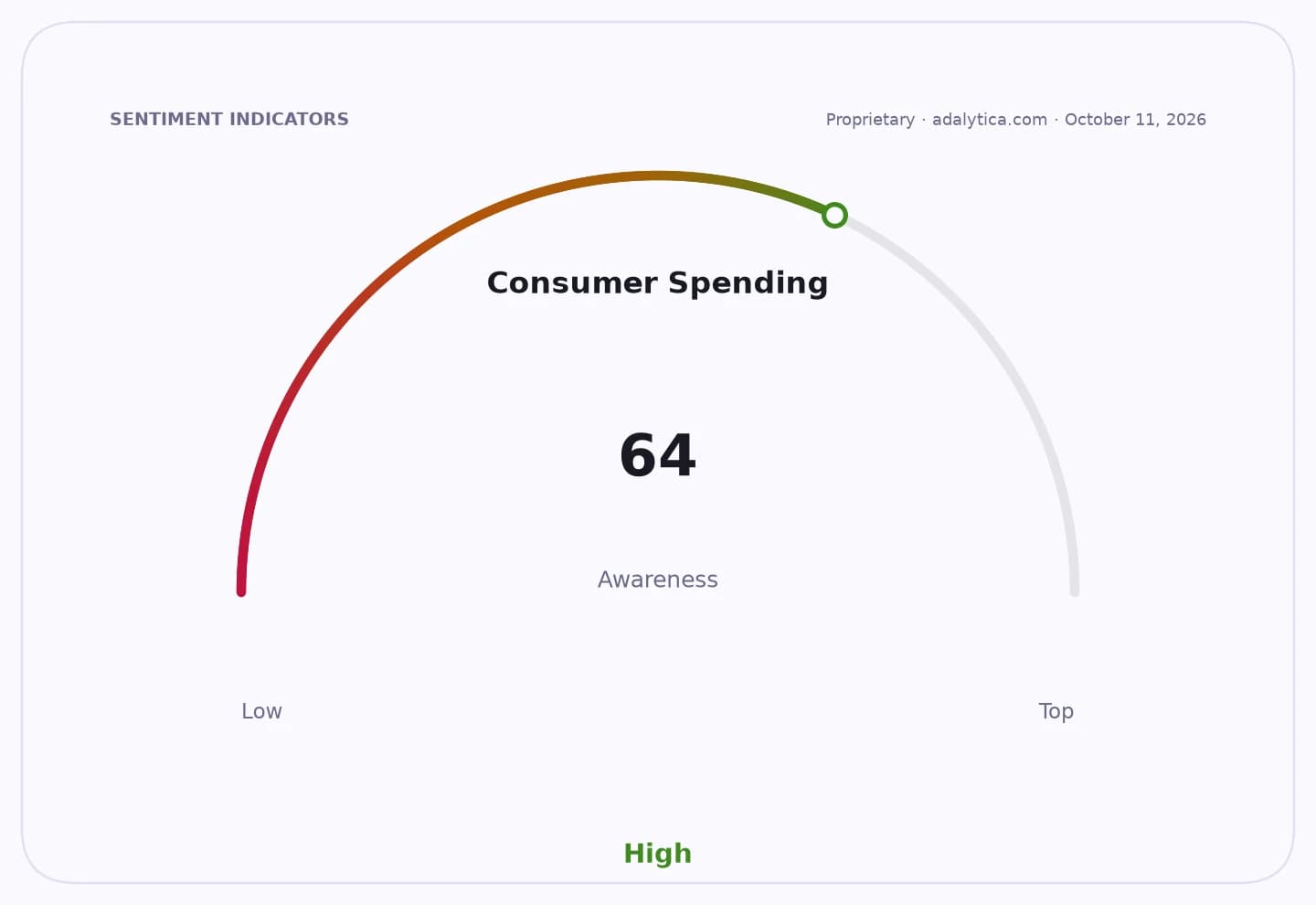
That matters because the cost burden is not just about the sticker price. Fuel, parking, insurance, repairs, accessories and depreciation all pile up month after month, especially in big cities where congestion and parking fees add another layer of strain. With U.S. consumer prices still elevated, gasoline ETF prices swinging sharply, and consumer-spending sentiment looking mixed rather than robust, households have every reason to treat car ownership as a long-term budget decision.
Sentiment IndicatorsⓘProprietary · adalytica.com · October 11, 2026
This is a snapshot — live sentiment, awareness and momentum for 130+ markets update continuously in the dashboard.Open AlphaPulse
The simplest money saver is also the easiest to ignore: lighten the load. Unused luggage, sports gear and other clutter in the trunk may seem harmless, but extra weight raises fuel use over time. It will not transform a car into a hybrid, but over years of commuting, small inefficiencies compound.
The same logic applies to accessories. Cameras, floor mats, tint, infotainment upgrades, roof racks and cosmetic add-ons can quickly turn a manageable purchase into an expensive habit. Safety-related equipment and genuinely useful upgrades can be worth it. But investors and drivers alike should recognize the difference between value and vanity. If a purchase is mostly driven by status or impulse, delaying it is often the best financial move.
DCOILWTICO vs CPIAUCSL — macro contextadalytica.com
Explore this data interactively — full history, time series and cross-market comparisons.Open AlphaPulse
Parking is another quiet drain. In major cities, a monthly spot can rival a utility bill. Shop around if you rent parking long term, and do not assume the nearest garage is the cheapest. Even modest savings each month can add up to a meaningful annual difference. And if the car does not need to be on the road every day, using public transit, ride sharing or carpooling on lower-need days can reduce fuel, parking and wear all at once.
Maintenance, however, is where discipline matters most. Skipping oil changes, brake checks, tire rotations or cooling-system service is a false economy because it invites bigger repairs later. The smarter approach is to follow the manufacturer’s schedule and the car’s actual condition, not every upsell from a repair shop. Investors know the same rule from business analysis: spending a little on upkeep now can protect much bigger value later.
The biggest decision may be whether to replace the car at all. Trading up resets the cost clock through depreciation, financing, taxes and fees. If the vehicle still runs well and fits the household’s needs, keeping it a few more years can be the most economical choice. In an inflationary environment, stretching the useful life of a durable asset is often the same as earning a return.
For long-term planners, the message is simple: the cheapest car is not always the one with the lowest purchase price, but the one that is maintained properly, used efficiently and kept long enough to let depreciation fade. That is a durable lesson for households trying to control costs in 2026, and a reminder that small habits can create real savings over time. Worth watching, and worth applying now.
| Entity | Gains | Losses |
|---|---|---|
| Car owners who keep vehicles longer | ▲Lower lifetime ownership cost | ▼Need for patience |
| Maintenance-focused drivers | ▲Fewer major repairs | ▼Drivers chasing short-term savings |
| Parking and fuel savers | ▲Smaller monthly budgets | ▼Garages, fuel retailers |
| Auto accessory sellers | ▲Fewer impulse purchases | ▼Consumers resisting add-ons |