Cema-Mystal’s planned shutdown is another hard sign that Europe’s smaller industrial survivors are running out of time, even after restructuring.
Cema-Mystal Foundry to Shut in Myszków
The Myszków foundry will hand termination notices to all of its more than 70 employees by the end of September after a failed rehabilitation process, according to Puls Biznesu. The plant is now preparing to wind down operations, sell assets and use the proceeds to pay creditors, wages and taxes. For a business with roots dating to 1882, the closure marks the end of one of the town’s last links to a once much larger metalworking base.
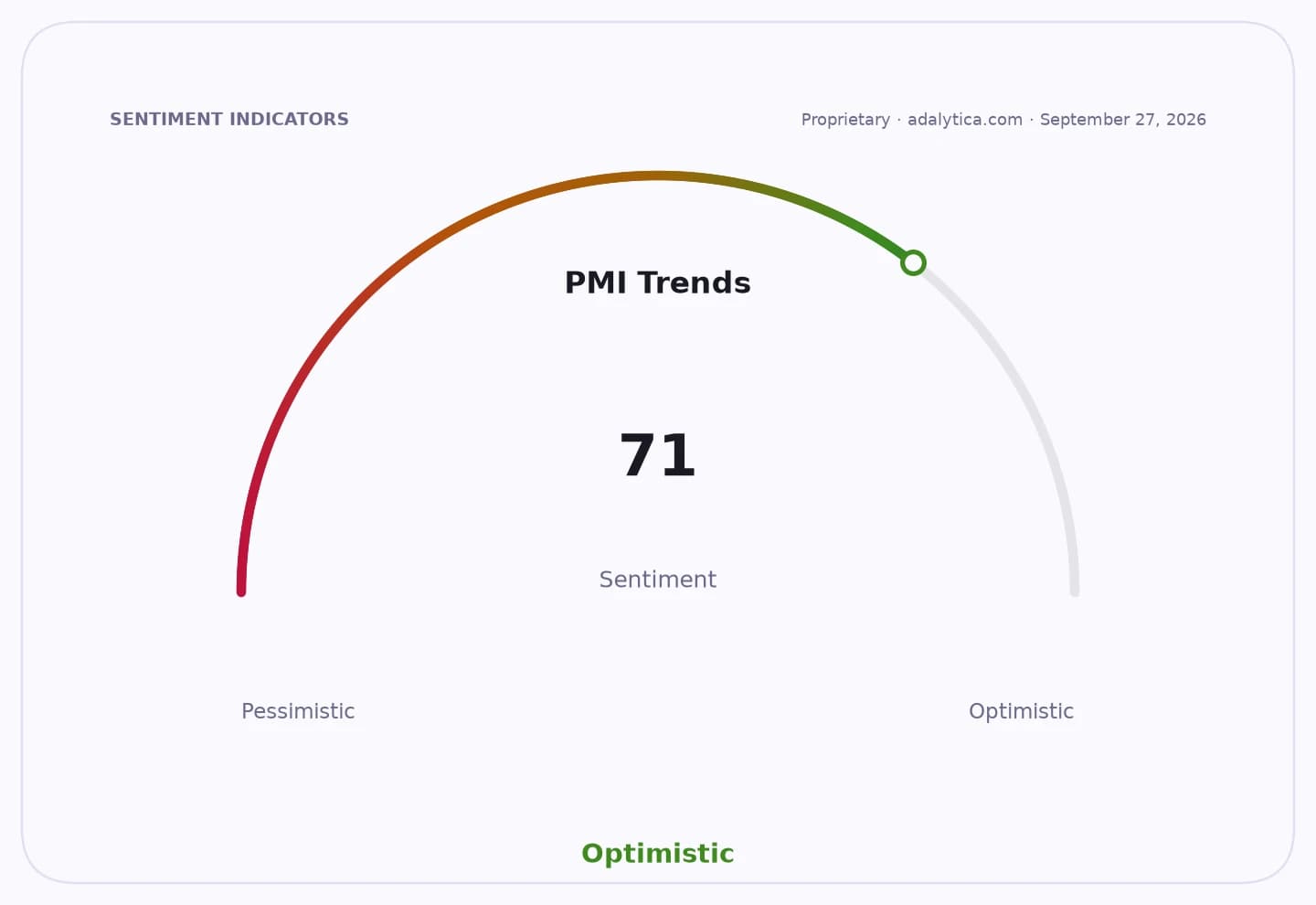
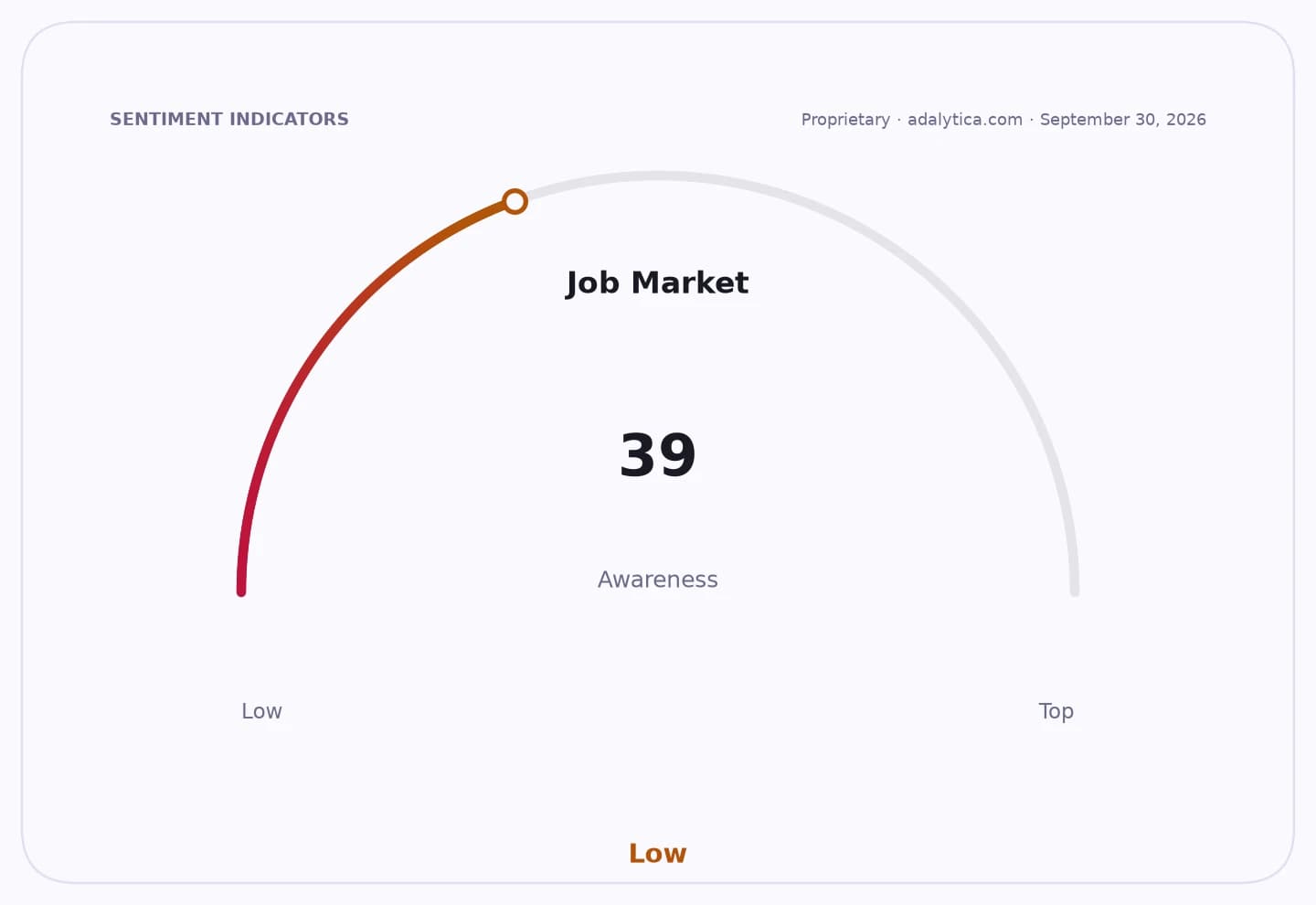
Sentiment IndicatorsⓘProprietary · adalytica.com · October 1, 2026
This is a snapshot — live sentiment, awareness and momentum for 130+ markets update continuously in the dashboard.Open AlphaPulse
That matters because foundries sit at the center of the industrial supply chain. They feed energy, automotive, construction and machinery customers with steel and iron castings, and their disappearance is usually a symptom of something bigger than a single company’s balance sheet. When a plant can no longer finance current production and past debts at the same time, the problem is not just local labor pain; it is a sign that pricing, demand and capital discipline have turned unforgiving.
The company’s recovery attempt began in April, but the restructuring administrator said revenues were too small to support operations and debt service together. The foundry is now moving to a controlled liquidation, a step intended to maximize recoveries for creditors by avoiding the heavier costs of formal bankruptcy. No investor has stepped in to buy the operation as a going concern, leaving a piecemeal sale of property and machinery as the most likely outcome.
The asset base is modest, with liquidation value estimated at about 19 million zlotys against roughly 12 million zlotys in liabilities. In theory, that could cover creditor claims, severance and taxes if the sale fetches full value. In practice, the final recovery will depend on how much a stranded foundry’s equipment and real estate can command in a weak market. That is the key investor takeaway: distressed industrial assets are only worth what buyers can still use, and the buyer universe is shrinking.
There is also a broader macro signal here. Poland’s industrial economy remains exposed to the same pressures hitting manufacturers across Europe — thin margins, high fixed costs and the difficulty of funding modernization fast enough to stay competitive. The broader job market may still look stable on paper, but closures like this show how quickly restructuring can turn into liquidation when demand softens and financing dries up.
For investors, the lesson is to look past headline GDP resilience and toward the companies enabling the next industrial cycle. The real opportunity is not in legacy capacity that needs rescuing, but in the suppliers of automation, electrification, recycling, grid equipment and industrial infrastructure that replace it. As old foundries shut, the winners are the firms selling the tools to rebuild manufacturing on a more efficient basis.
The market tends to treat individual closures as isolated events. They are not. They are part of a secular culling of low-return industrial assets, and that creates a clearer path for the stronger operators and their upstream and downstream enablers. If you want exposure to the next phase of industrial investment, own the picks-and-shovels behind modernization, not the relics being liquidated.
| Entity | Gains | Losses |
|---|---|---|
| Asset buyers | ▲Cheap machinery and property | ▼None |
| Creditors | ▲Partial recovery potential | ▼Full repayment risk |
| Workers in Myszków | ▲Severance and transition support | ▼Jobs and income |
| Modern industrial suppliers | ▲Reinvestment tailwind | ▼Legacy foundry demand |