Gas prices are climbing again in Central and Eastern Europe, but investors may be getting ahead of the inflation impulse — and by extension the case for more aggressive rate hikes.
Central Europe Gas Prices and Rate Hike Bets

That is the key message from Bank of America’s latest view on the region, which argues that the market may be pricing too steep a tightening path in parts of Central Europe as wholesale natural gas costs surge. The risk is real for inflation expectations, but the transmission to consumer prices is slower, messier and often weaker than traders assume.
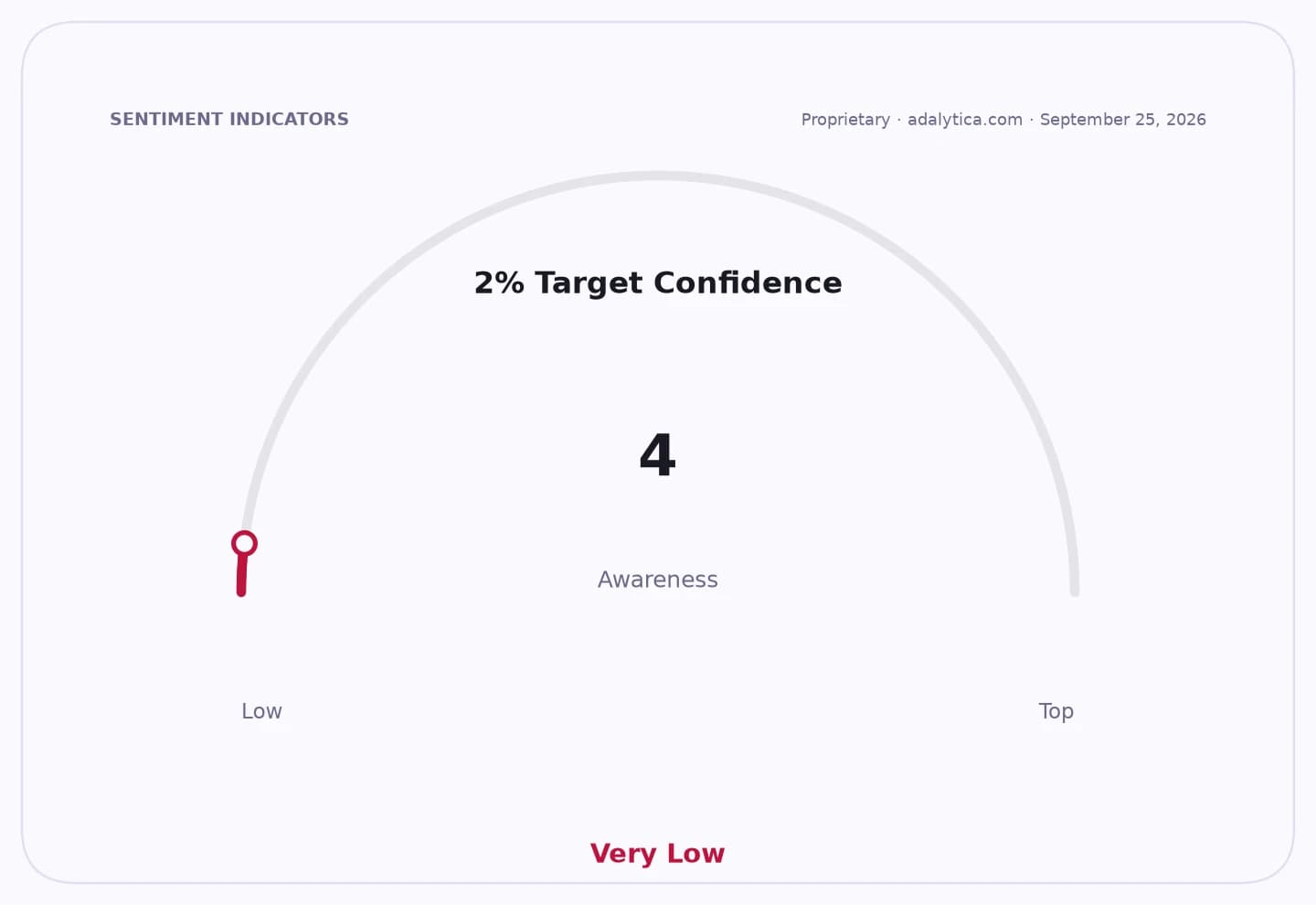
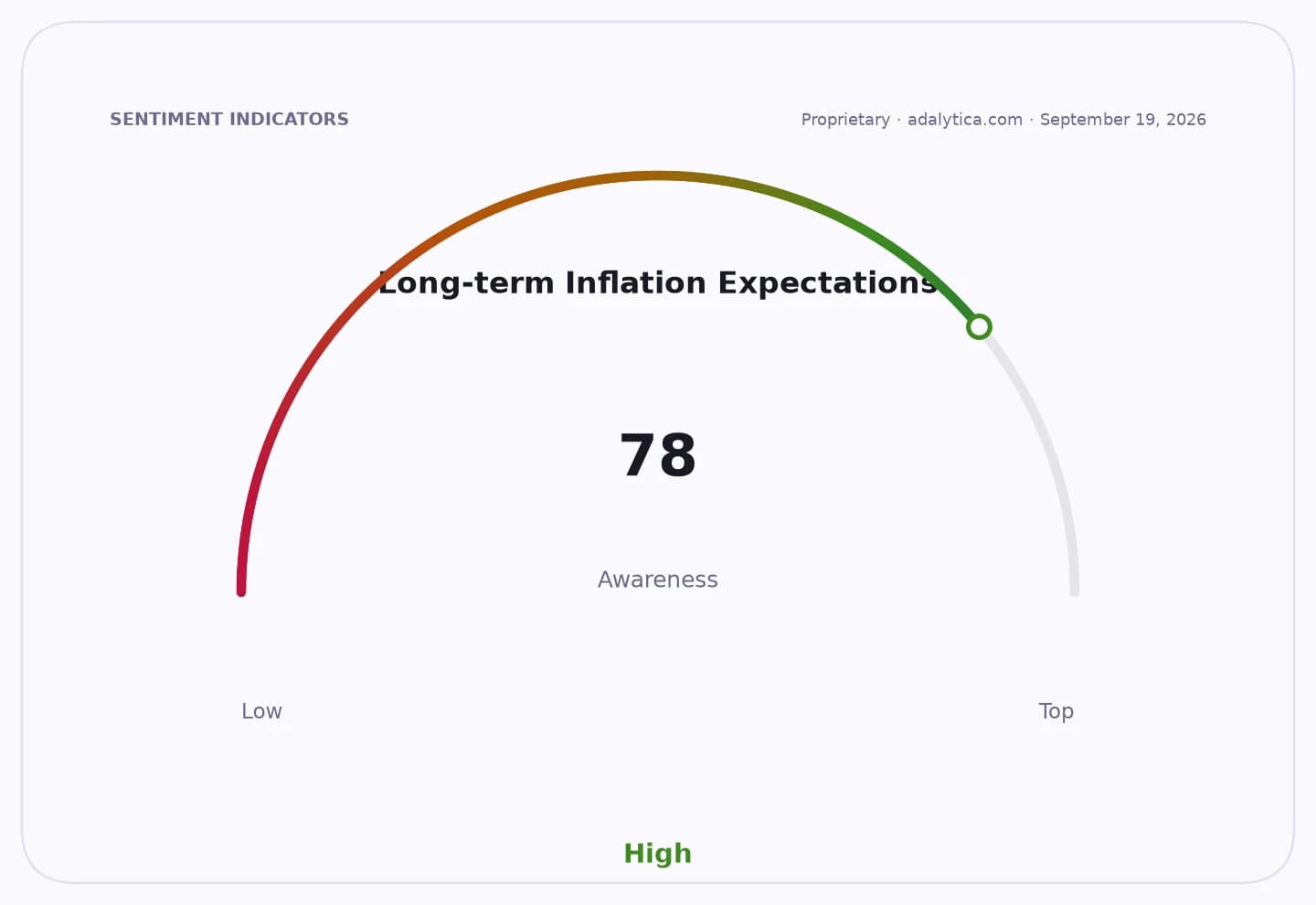
Sentiment IndicatorsⓘProprietary · adalytica.com · September 7, 2026
This is a snapshot — live sentiment, awareness and momentum for 130+ markets update continuously in the dashboard.Open AlphaPulse
Wholesale gas does not hit household bills in a straight line. Hedging, fixed-price contracts, regulated tariffs and government caps can delay or mute the pass-through for months. That matters because central banks react to inflation that shows up in the data, not in the spot market. If the gas shock remains contained in the pipeline rather than flowing quickly into core pricing, the market’s rate-hike bets could prove too aggressive.
The distinction is economically important. Central Europe is highly exposed to energy swings, so every move in gas tends to trigger a reflexive selloff in local bonds and currencies. But the region’s policy reaction function is not uniform. In countries where utility pricing is heavily regulated or fiscal support is active, inflation can lag sharply behind commodity prices. That creates a classic mispricing opportunity: traders can overstate the speed and scale of monetary tightening while underestimating the buffering effect of policy structures.
The market data fits that tension. U.S. crude has pushed back toward $91.75 a barrel in the latest forecast, while the 10-year Treasury yield sits near 4.8%, a reminder that global rates are already restrictive. In Europe, inflation has reaccelerated enough to keep policymakers cautious, but the broader question for Central Europe is whether gas will become a second-round inflation shock or merely a headline scare. The answer will determine whether local central banks actually need to lean harder against prices — or whether markets are pricing a tightening cycle that never fully arrives.
For investors, that opens a two-sided trade. If the inflation pass-through remains delayed, local government bonds and rate-sensitive assets could recover as excessive hike expectations unwind. The losers would be short-duration sovereign debt and currencies of economies where traders have most aggressively priced policy tightening. The winners could include select local banks and domestic cyclical names if funding costs peak sooner than expected, while energy-linked beneficiaries and global gas exposure remain supported by the underlying commodity move.
There is also a useful cross-asset signal in the U.S. natural-gas proxy. UNG has been volatile, but the fund’s recent rebound above its 50-day moving average suggests traders are still treating gas as a live macro shock rather than a settled story. Yet the central investment point is not simply that gas is expensive. It is that expensive gas does not automatically mean immediate inflation, and immediate inflation does not automatically mean central banks will keep hiking.
The market is still prone to equating energy stress with straight-line policy tightening. Our view is that this is precisely where the mispricing lives. The better trade is not to chase every inflation headline, but to focus on where pass-through is delayed, policy is capped, and rate expectations have outrun the data. That is where the asymmetric opportunity in Central Europe remains.
| Entity | Gains | Losses |
|---|---|---|
| Energy producers | ▲Higher gas prices | ▼None |
| Central European rate bulls | ▲Faster tightening bets | ▼If pass-through stays muted |
| Local bondholders | ▲Lower inflation surprise | ▼If hike pricing unwinds |
| Consumers in regulated markets | ▲Delayed bill increases | ▼Still face eventual cost pressure |