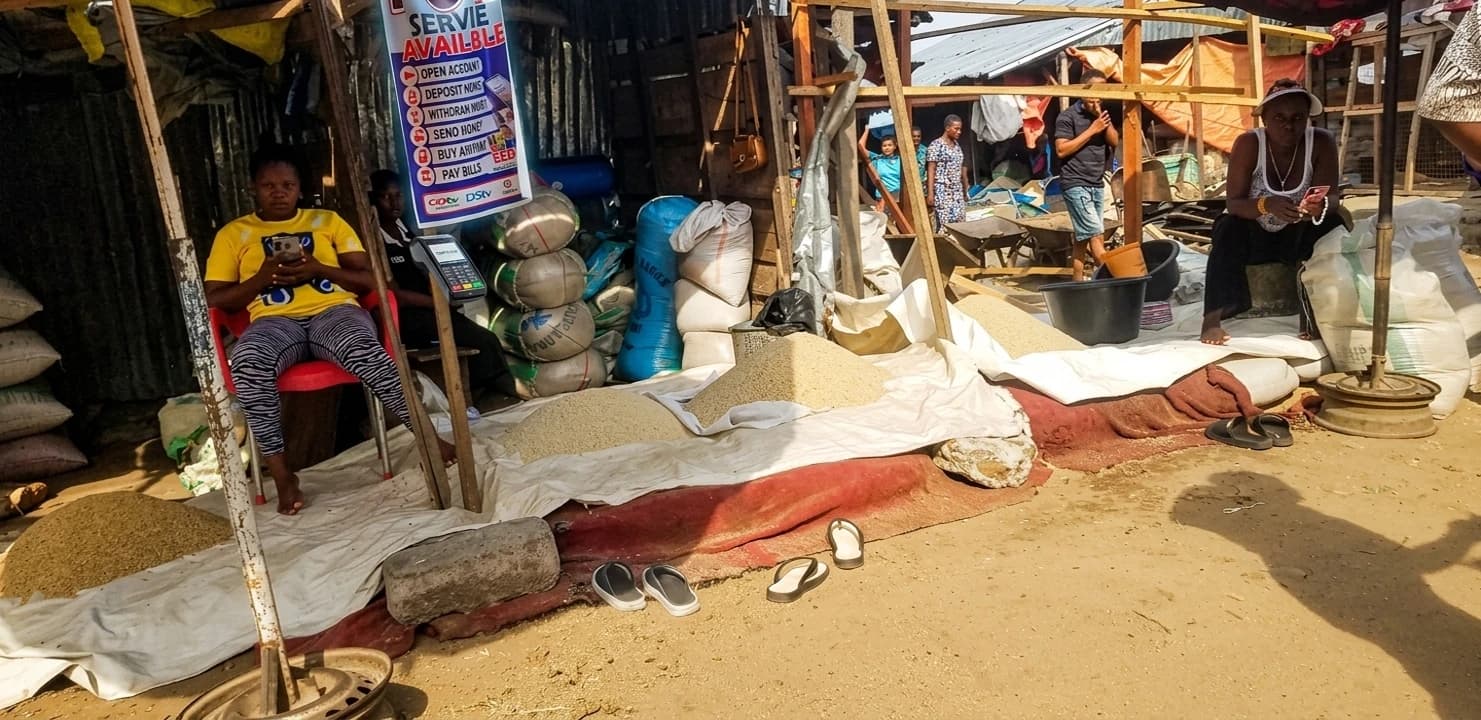
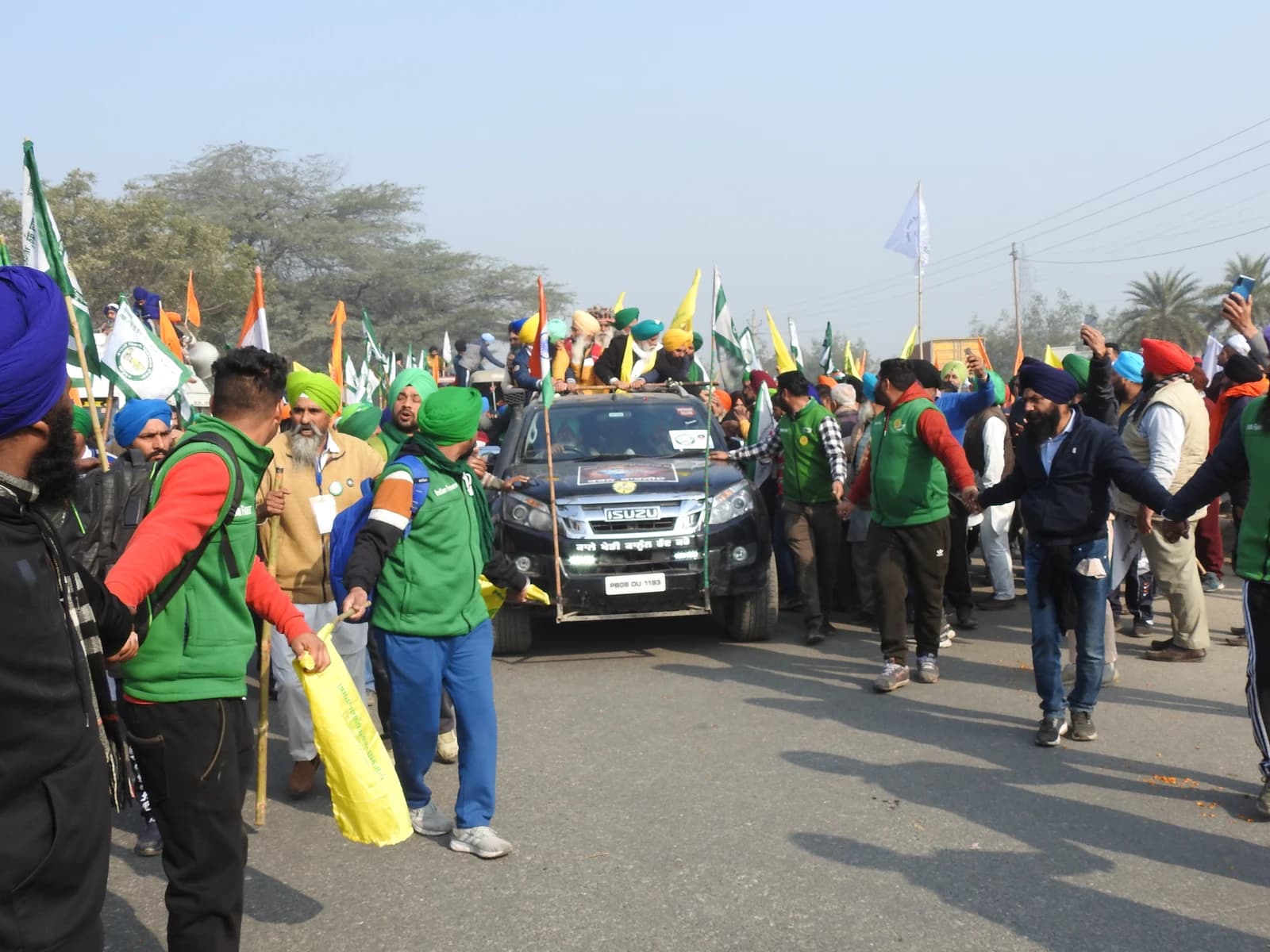
Pemalang’s rice farmers are finally getting the machinery that can stop harvest delays from eroding incomes, and Central Java is already far enough through the season to keep alive its bid to clear a 10.5 million ton paddy target.
Central Java rice output and Pemalang harvest machines
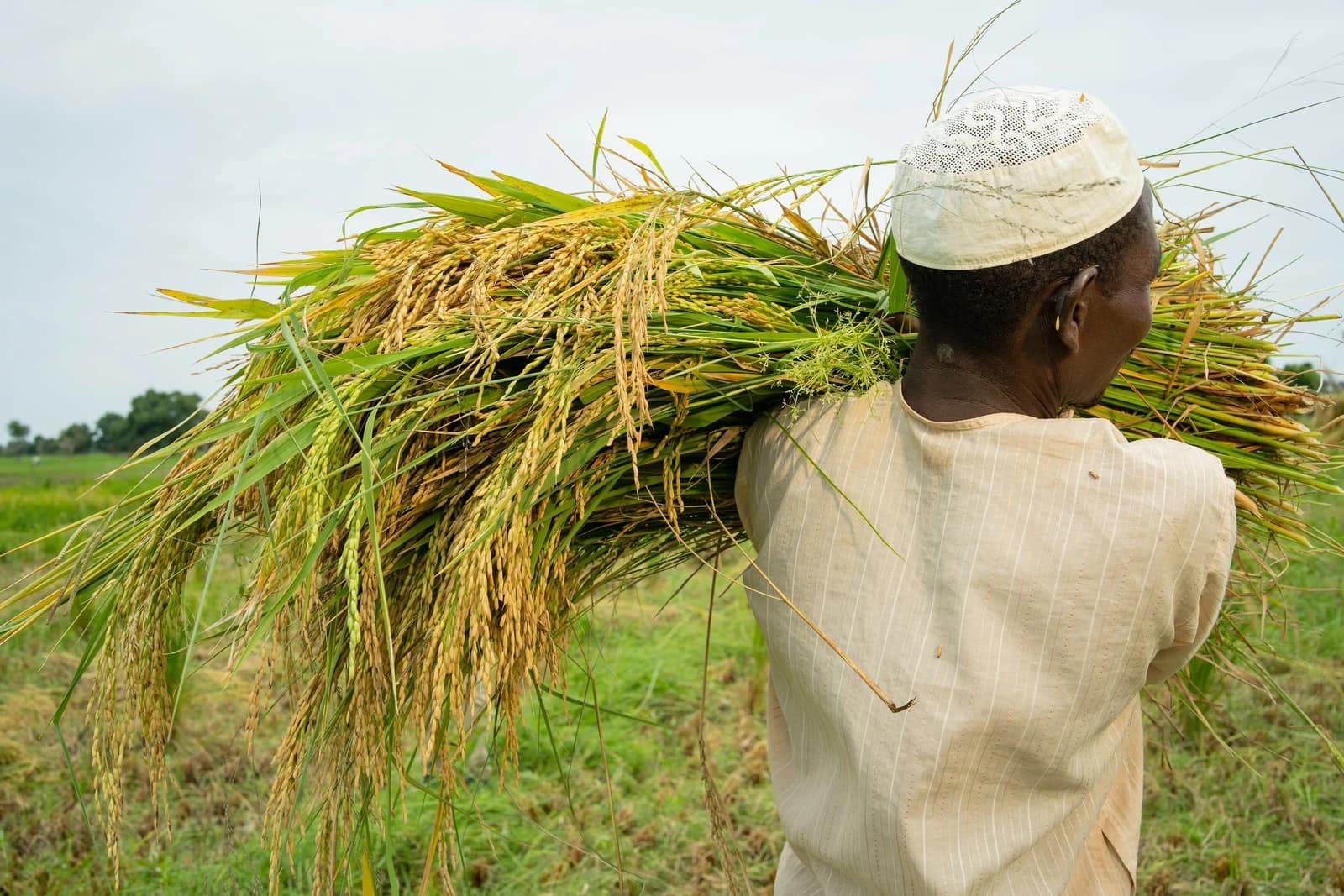
For years, growers in Pemalang had to wait for rented combine harvesters from outside the region, a bottleneck that often pushed back harvesting until gabah prices had already fallen. The arrival of provincial government-backed machines in Kedungbanjar is more than a local convenience: it improves the economics of harvest timing, reduces post-harvest losses and helps protect farm-gate prices in one of Central Java’s key rice belts.
Sentiment IndicatorsⓘProprietary · adalytica.com · September 4, 2026
This is a snapshot — live sentiment, awareness and momentum for 130+ markets update continuously in the dashboard.Open AlphaPulse
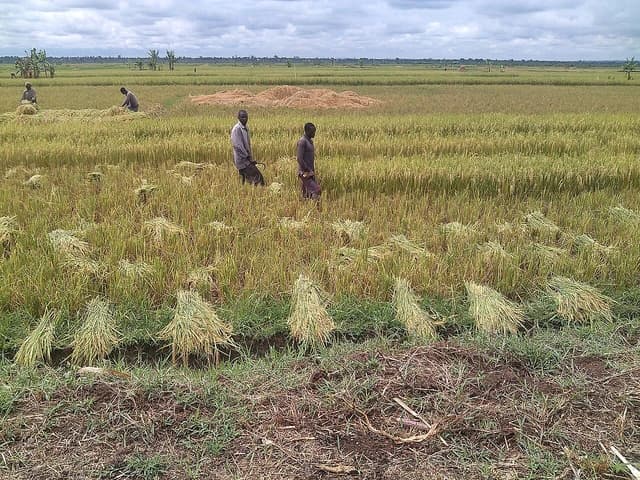
That matters because the province is carrying a large share of Indonesia’s food-security burden. From January through August 2026, Central Java produced 6.69 million tons of paddy, or 63% of its annual 10.5 million ton target. With four months left in the year, the province still needs roughly 3.81 million tons to hit the goal, a pace officials say is plausible if modern equipment keeps harvests moving and yields hold up.
Governor Ahmad Luthfi’s focus on Pemalang underscores the broader policy shift under way: the constraint on rice output is no longer just land or labor, but logistics. In farming systems where small timing differences can mean the difference between selling into a firm market and dumping into a softer one, access to harvest machinery functions like working capital. It can lift effective income even if headline production grows only gradually.
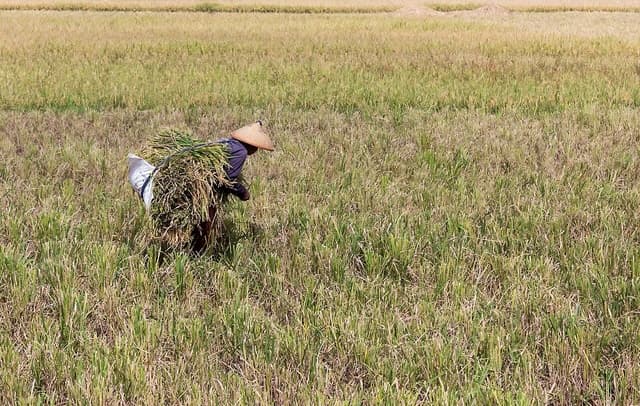
The economic stakes extend beyond farm households. Central Java is one of the country’s main rice-producing provinces, and a strong finish would support domestic supply at a time when food inflation remains sensitive to weather, transport and procurement conditions. The province’s performance also carries political weight, given Jakarta’s reliance on regional production to stabilize staple prices and limit the need for costly market interventions.
For investors, the immediate read-through is less about a tradable listed company than about the policy backdrop for Indonesia’s food and agriculture chain. Better harvesting efficiency can support volumes for millers, traders and logistics providers, while reducing the volatility that often feeds price spikes in rice. It also reinforces the case for continued public spending on farm mechanization, irrigation and post-harvest infrastructure rather than one-off support measures.
The bull case is straightforward: if machinery deployment spreads beyond Pemalang and other top-producing districts, Central Java can preserve more grain, improve farmer margins and get closer to its output target. The bear case is that a late-season weather shock, uneven machine availability or price disincentives could still slow deliveries and leave the province short of target despite the stronger start.
For now, the story is less about a symbolic harvest and more about an operational fix becoming a macro variable. In Central Java, mechanization is starting to look like the difference between waiting for rice and actually securing it.
| Entity | Gains | Losses |
|---|---|---|
| Pemalang farmers | ▲Faster harvests, better gabah prices | ▼Less dependence on rented machinery |
| Central Java government | ▲Higher chance of hitting 10.5 million ton target | ▼Greater pressure to deliver on food policy |
| Rice millers and traders | ▲Smoother supply flow | ▼Less bargaining power from delayed harvests |
| Consumers and food-security planners | ▲More stable rice supply | ▼Fewer short-term scarcity-driven price opportunities |