400 employees at the Centre psychothérapique de l’Ain are being paid below France’s minimum wage unless a compensation bonus is added, turning a local strike into a broader test of how public-health employers absorb years of wage pressure without worsening staffing shortages.
Centre psychothérapique de l’Ain strike over pay gaps

The walkout, called by Force Ouvrière, underscores a structural weakness in the psychiatric care system: when low-paid support staff need top-up premiums just to reach the legal wage floor, pay compression and precarity can quickly become an operating risk, not just a labour-relations issue. The union says 400 of the centre’s 1,200 workers — aides-soignants, hospital service agents, technicians, security staff and administrative employees — are affected, while management’s proposed revaluation appears to benefit only a minority of specialised nurses.
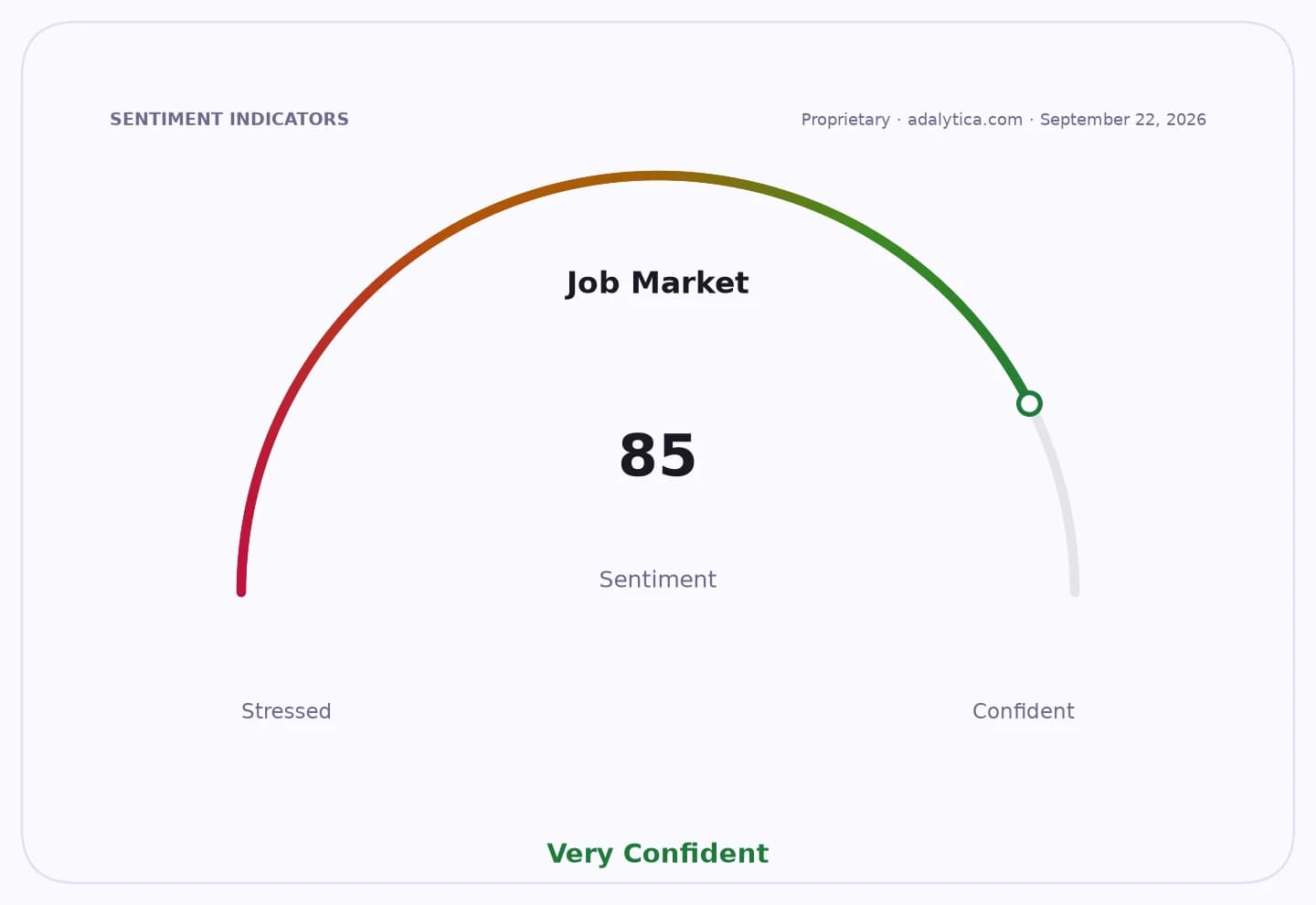
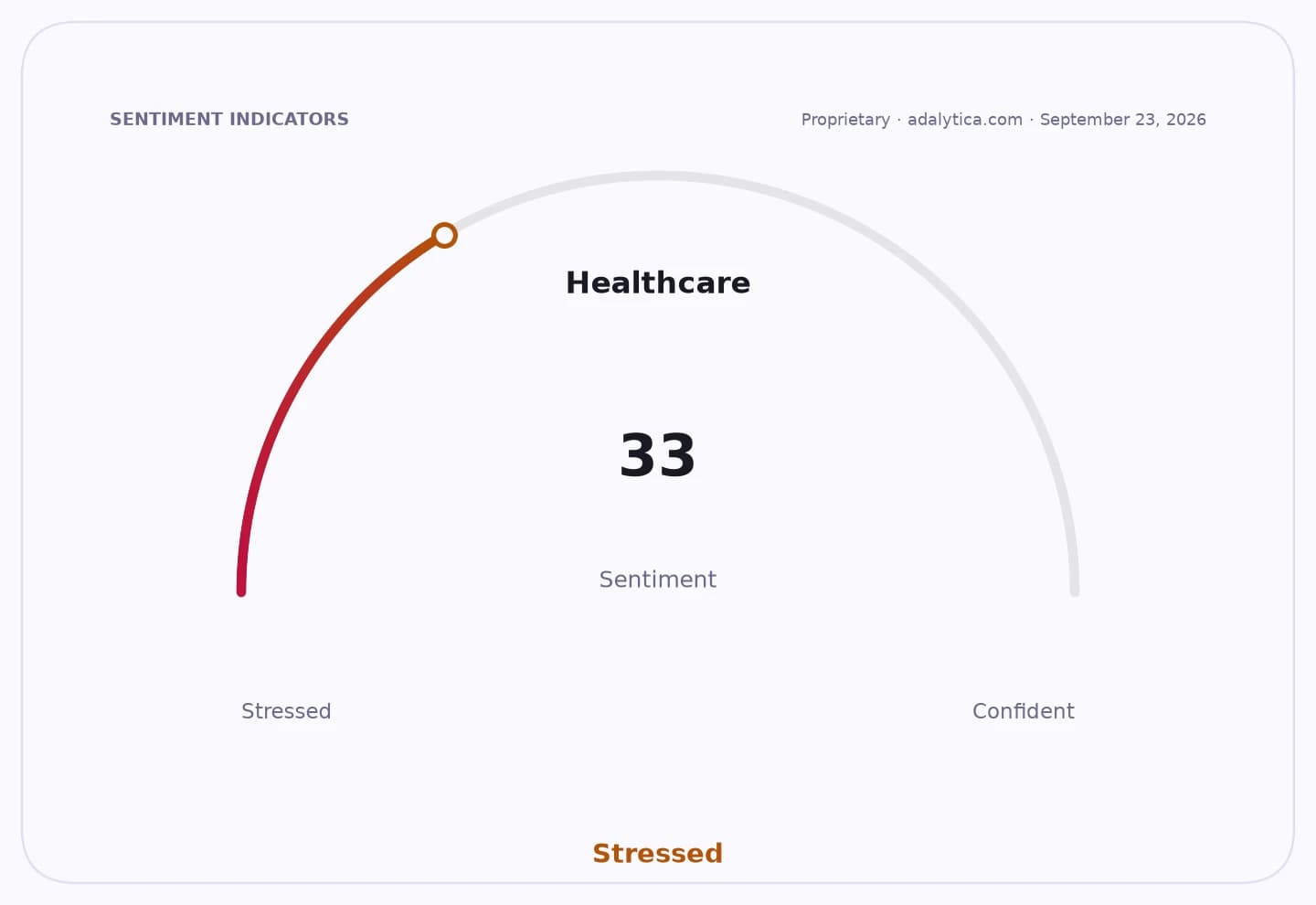
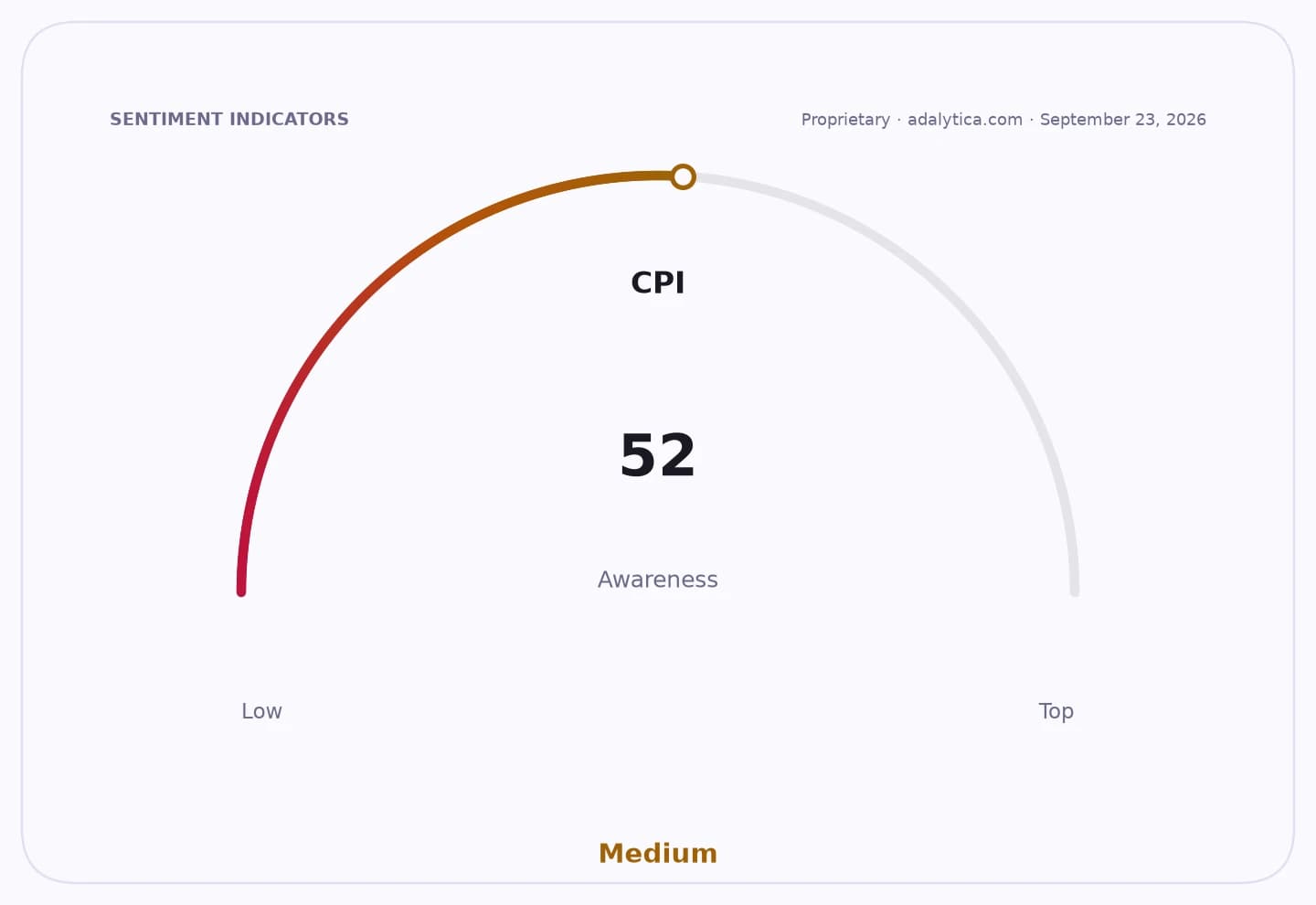
Sentiment IndicatorsⓘProprietary · adalytica.com · September 13, 2026
This is a snapshot — live sentiment, awareness and momentum for 130+ markets update continuously in the dashboard.Open AlphaPulse
That imbalance matters economically because psychiatric facilities rely heavily on a large base of lower-paid workers to keep beds open, maintain safety, and support clinical teams. If those workers fall further behind living costs, absenteeism rises, recruitment gets harder and overtime costs tend to climb, all of which can push up the cost of care. The union’s appeal to “low-cost” measures such as a fuel allowance or a tax-exempt profit-sharing bonus also signals how constrained employers are in a sector where payroll is already the dominant expense.
For investors, the immediate read-through is strongest for healthcare operators exposed to labour inflation and staffing instability. US peers such as HCA Healthcare, Universal Health Services and Ensign Group have all flagged personnel-related capacity constraints and wage pressure in recent filings, and the share-price data in each case has remained sensitive to labour-cost assumptions and operating leverage. The message is that even in healthcare, where demand is usually defensive, margins can come under pressure when wages lag inflation and worker turnover rises.
The strike also arrives at a politically sensitive moment in France, where cost-of-living pressure remains elevated and public-sector wage disputes can spread quickly from one site to another. The next round of talks on Sept. 16 will show whether the centre can contain the dispute with targeted allowances or whether it will be forced into broader pay adjustments that could set a precedent for other facilities facing similar wage gaps.
| Entity | Gains | Losses |
|---|---|---|
| CPA management | ▲avoids broad wage bill increase | ▼faces strike disruption |
| Lower-paid staff | ▲leverage for pay relief | ▼continue below wage floor |
| Union FO | ▲bargaining power | ▼if talks stall |
| Healthcare operators | ▲if wage pressures ease elsewhere | ▼if labour inflation spreads |