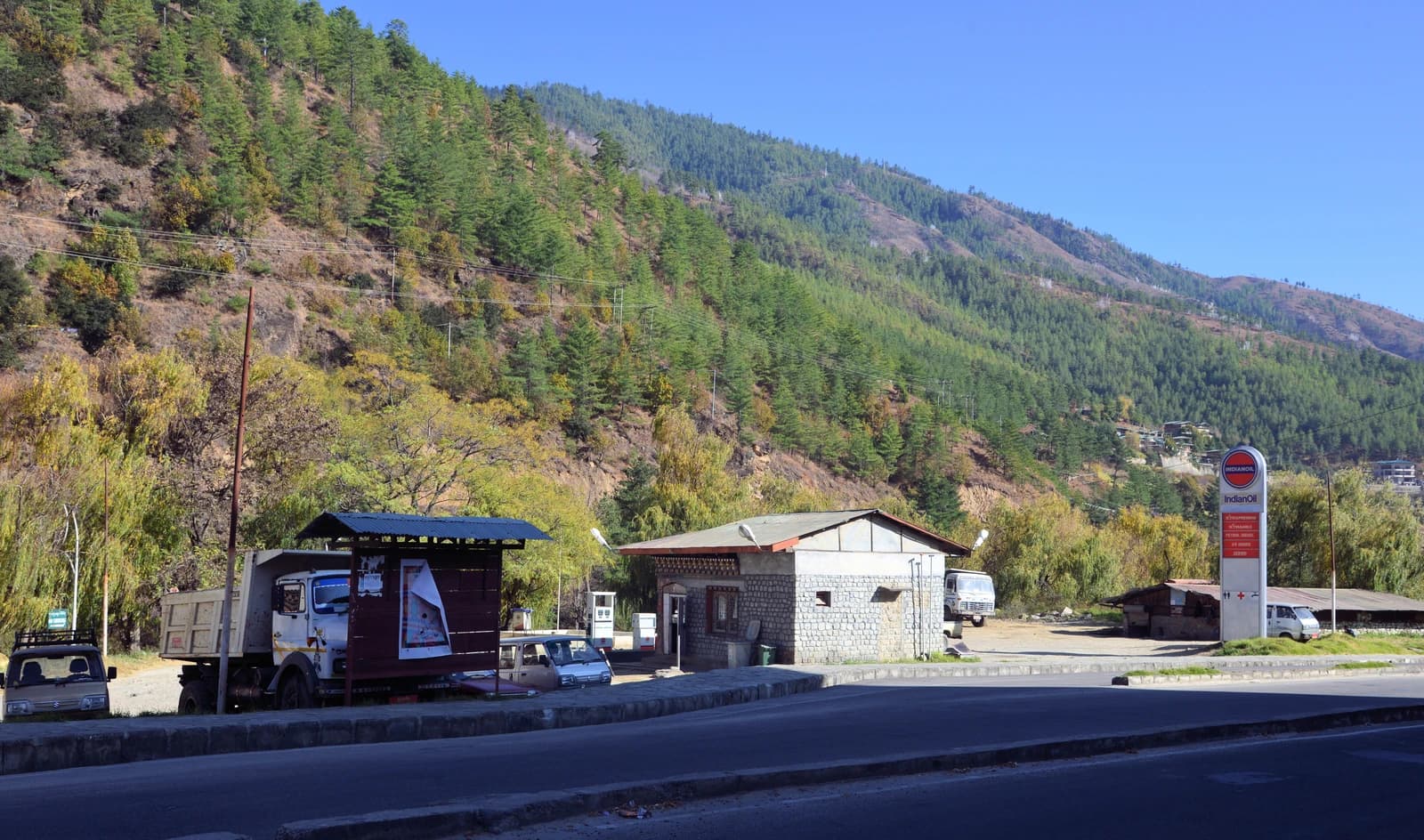
Households in Pala, in Chad’s Mayo-Kebbi West region, are being forced to pay as much as 7,000 CFA francs to refill a 6-kilogram butane cylinder, more than triple the official 2,000 CFA rate, as fuel shortages and a breakdown in price controls squeeze family budgets.
Chad Pala butane refill prices rise to 7,000 CFA
The gap between the regulated tariff and market reality is turning cooking fuel into a basic affordability crisis. The country’s regulator, ARSAT, said in a December 2025 notice that subsidies were lifted only on gas kits — bottles and accessories — while refill prices remained capped at 1,000 CFA for 3 kg, 2,000 CFA for 6 kg and 6,000 CFA for 12.5 kg.
Sentiment IndicatorsⓘProprietary · adalytica.com · September 6, 2026
This is a snapshot — live sentiment, awareness and momentum for 130+ markets update continuously in the dashboard.Open AlphaPulse
In Pala, consumers say the official pricing has little meaning when product is scarce. Recharges are being negotiated at 6,500 to 7,000 CFA when available, leaving households to cut back on meals or look for alternatives as the use of firewood and charcoal is also increasingly restricted under environmental rules.
That matters economically because cooking fuel is a daily necessity, not a discretionary purchase. When a 6 kg refill jumps from 2,500 CFA to as much as 7,000 CFA, families absorb a sharp hit to disposable income, while any switch back to wood or charcoal can worsen deforestation pressures and expose policymakers to a second cost-of-living problem.
For investors and energy suppliers, the episode highlights how weak distribution, transport bottlenecks or informal markups can override regulated pricing in smaller regional markets. It also raises questions about the effectiveness of subsidy reform in Chad, where the state is trying to balance fuel affordability, environmental controls and market discipline.
The immediate risk is that the shortage spreads beyond Pala if supply issues are structural rather than local. Unless authorities restore availability and enforce the official tariff, butane will remain a political and economic flashpoint for households already under strain.
| Entity | Gains | Losses |
|---|---|---|
| Households in Pala | ▲none | ▼higher cooking costs |
| Local resellers | ▲margin on scarce supply | ▼scrutiny from regulators |
| ARSAT / state | ▲policy credibility if enforced | ▼credibility if prices persist |
| Firewood / charcoal users | ▲substitute demand | ▼environmental pressure |