Chhattisgarh’s government medical colleges are facing a fresh admissions backlash after the state kept in place a rule requiring postgraduate medical candidates to mortgage property worth Rs 25 lakh to Rs 50 lakh for an NOC, a hurdle doctors say is shutting out lower- and middle-income graduates from the PG pipeline.
Chhattisgarh PG Medical Admissions Face Mortgage Rule
The controversy matters because it directly affects how many young doctors can enter MD and MS programs in a state already struggling with shortages and delays in specialist training. With 642 PG seats across seven government and three private medical colleges, the rule has become a gatekeeper to career progression, and students say it is especially punitive for graduates from rural and tribal districts who are most likely to serve in underserved areas.
Sentiment Indicators
The dispute sharpened after Health Minister Shyam Bihari Jaiswal reportedly promised last month, during a junior doctors’ strike, that the stringent requirement would be scrapped. Students now say that promise has not translated into any change on the ground, with online registration for the 2026 admissions cycle starting Oct. 22 and the mortgage requirement still attached to the state clearance process.
Under the current rules, candidates must pledge property valued at Rs 25 lakh for standard PG courses and Rs 50 lakh for super-specialty programs to secure the government NOC, while doctors are pushing for an affidavit-based alternative. They have taken the issue to the CM helpline and to Raipur MP Brijmohan Agrawal, arguing that the bank guarantee system is effectively turning medical education into a contest of collateral rather than merit.
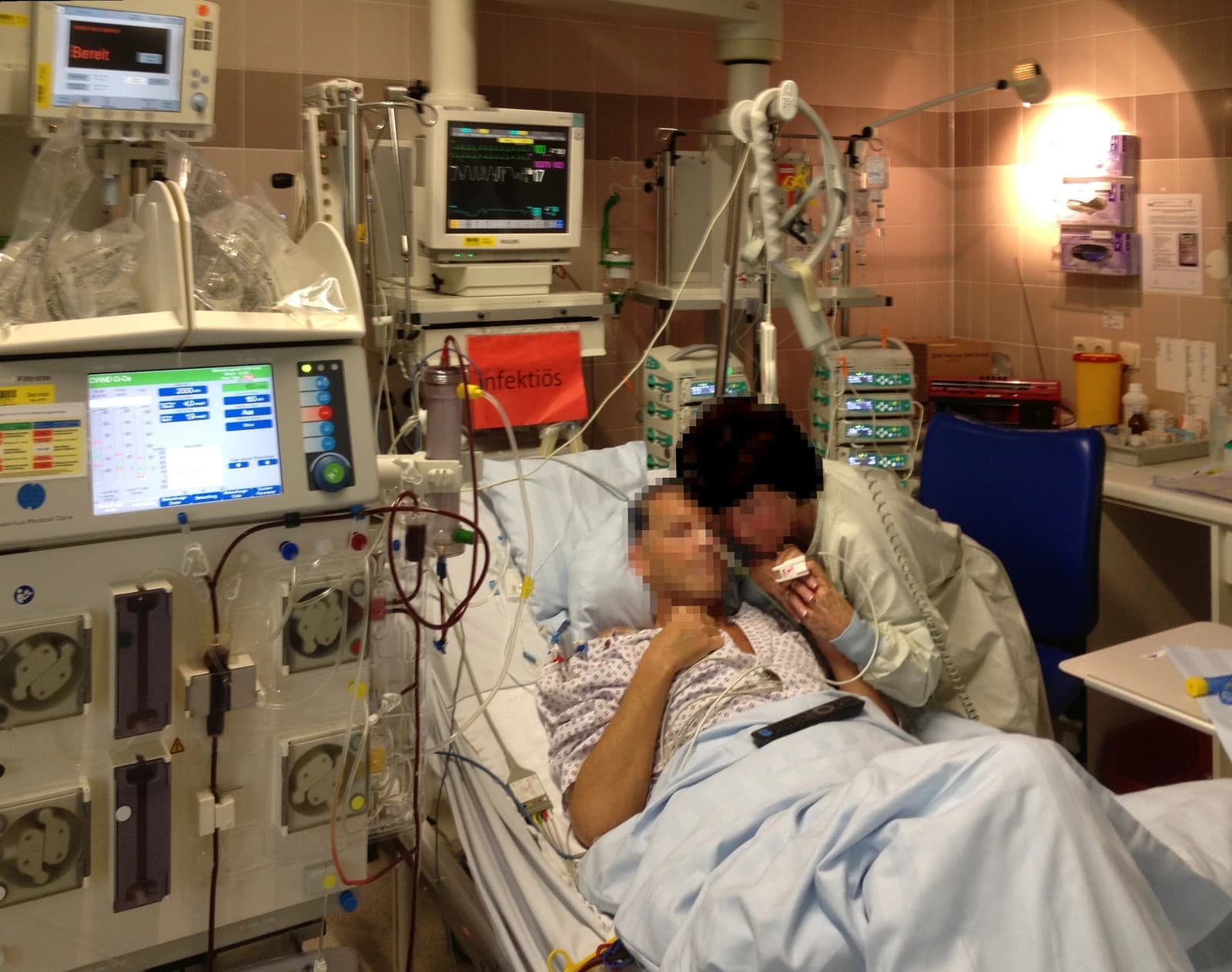
The timing is also worsening an already strained medical system. After pandemic-era disruptions pushed NEET-PG schedules off track, junior doctors are reaching hospitals late, increasing the workload on senior physicians and affecting patient care in government facilities including Pandit Jawaharlal Nehru Medical College in Raipur.
For policymakers, the issue now sits at the intersection of medical access, staffing shortages and equity in public education. For investors and education-sector watchers, it underscores how state-level rules can shape enrollment, training capacity and ultimately the supply of doctors in a system that depends on steady postgraduate intake.
| Entity | Gains | Losses |
|---|---|---|
| State government | ▲collateral-backed compliance | ▼political goodwill |
| Affluent PG applicants | ▲easier access to seats | ▼none |
| Poor and middle-class doctors | ▲none | ▼access to PG admissions |
| Public hospitals/patients | ▲none | ▼specialist staffing and care quality |