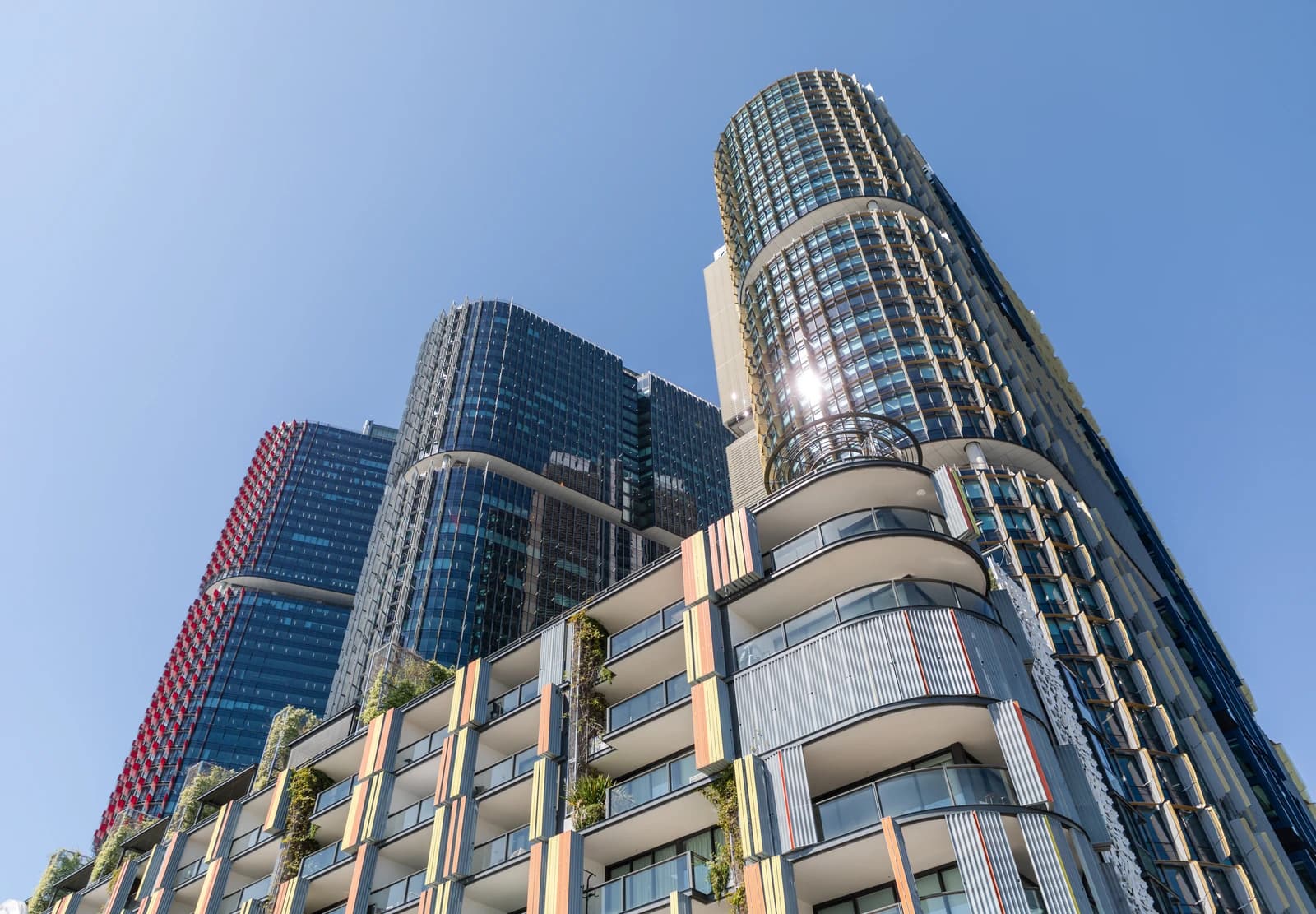
Amancio Ortega’s purchase of a Chicago office tower for $490 million is a sign that top-tier commercial property is still commanding capital even as the broader office market remains under pressure.
Chicago office tower sold to Amancio Ortega for $490M
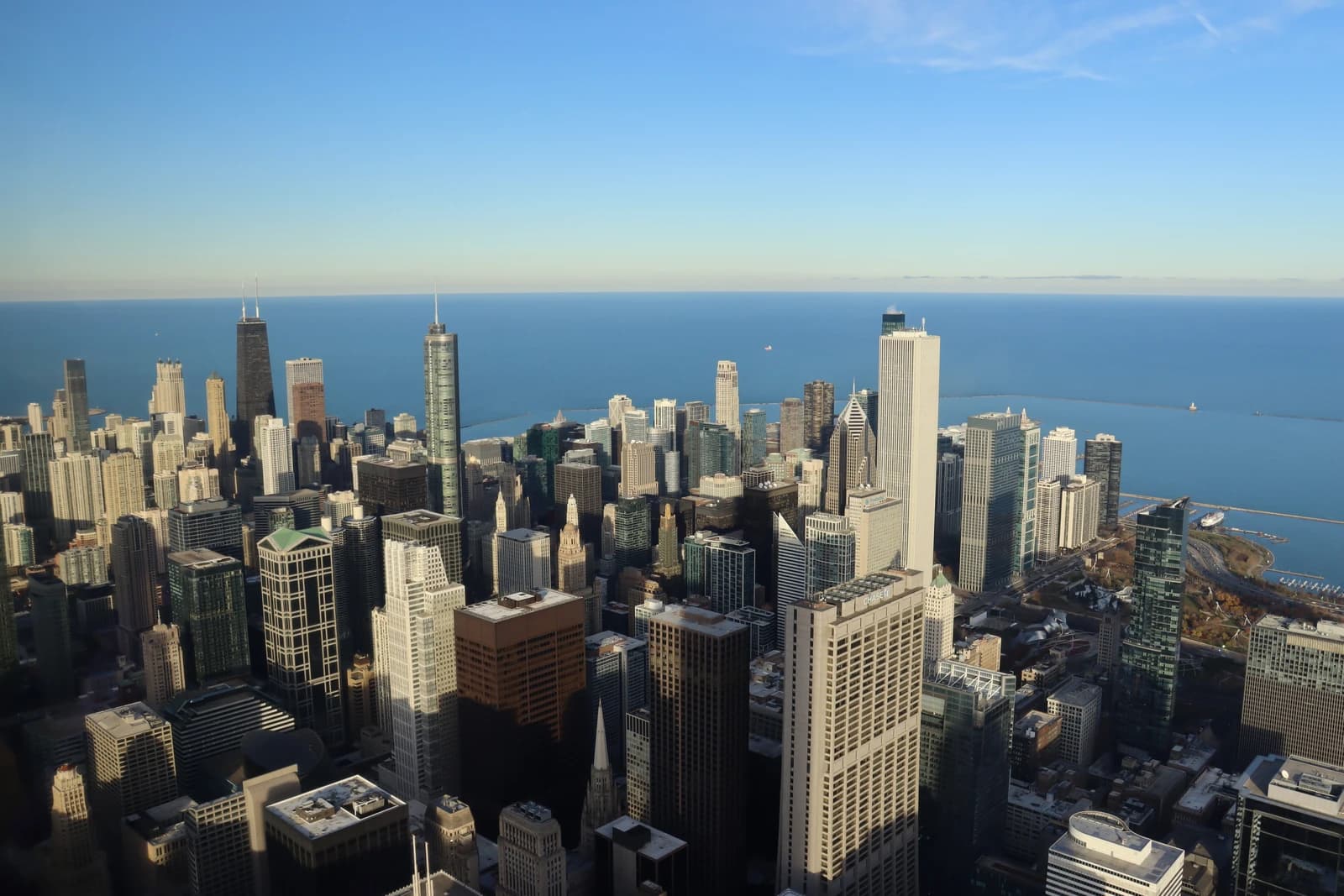
The deal matters because it shows where money is still flowing in real estate: into irreplaceable assets in global gateway cities, not the weakest parts of the office sector. For investors, that is a reminder that the office market is not a single trade. Trophy towers with strong locations and institutional sponsorship can still clear at meaningful valuations, while older, less functional buildings continue to struggle with higher vacancies, refinancing risk and falling prices.
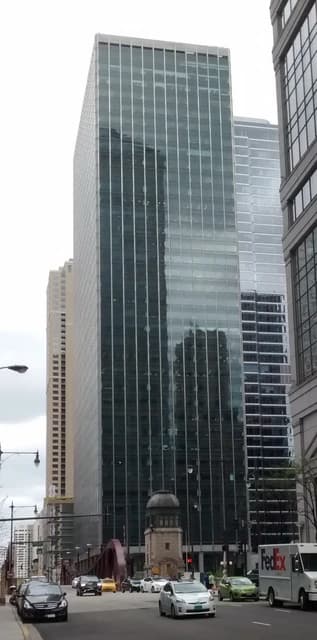
Ortega, the billionaire founder of Zara owner Inditex, has long been one of the world’s most disciplined real estate buyers, favoring hard assets that generate stable income over speculative growth stories. A $490 million price tag suggests that private capital still sees value in premium urban office property if the asset can be repositioned, leased to high-quality tenants or held for long-term inflation protection.
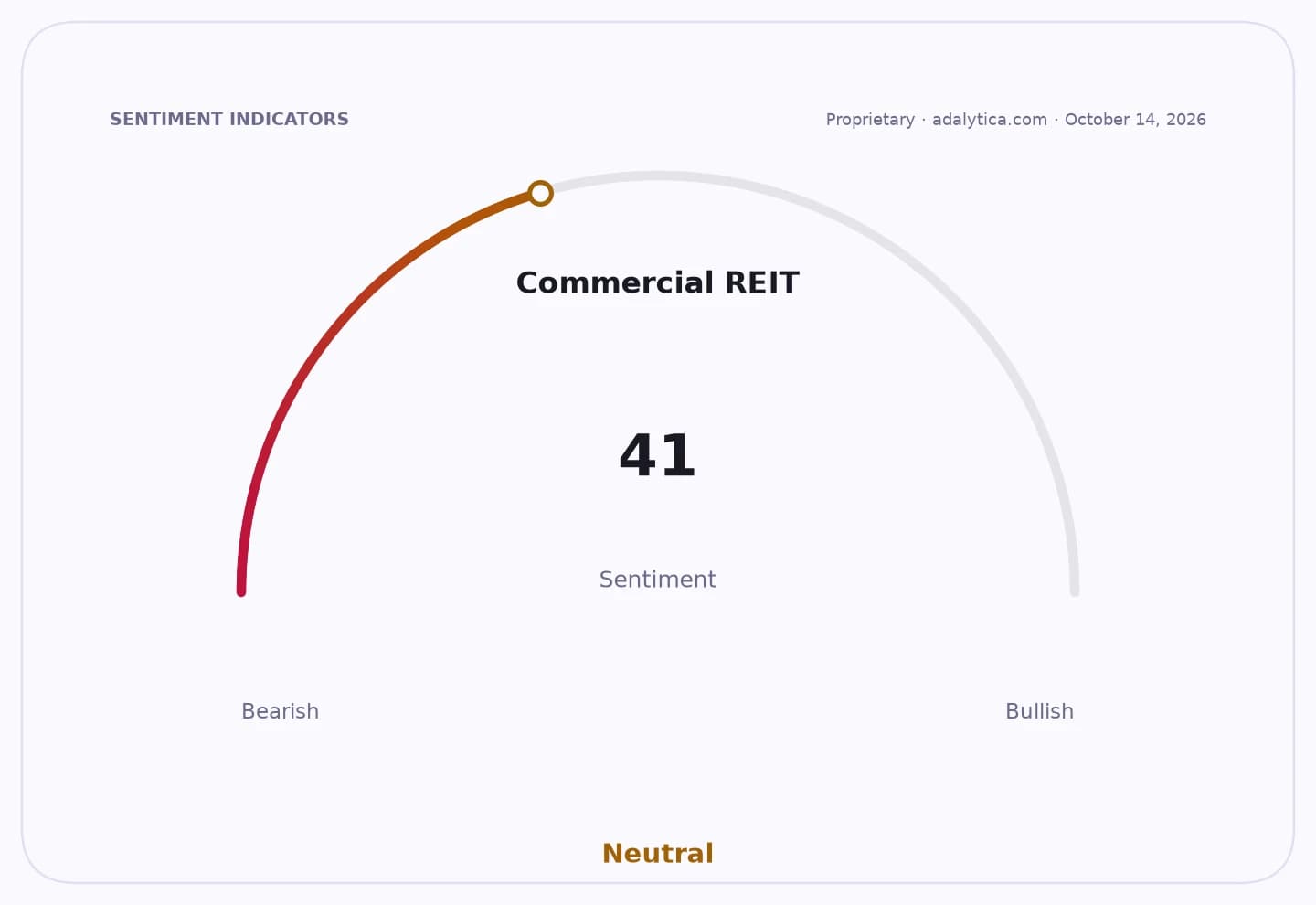
That stands in contrast with the broader listed property market, where sentiment remains volatile. The VNQ real estate ETF has recovered from recent weakness, but commercial real estate remains a battleground between buyers looking for bargains and sellers still adjusting to higher financing costs. Technical readings on VNQ show the fund trading back above its 50-day and 200-day moving averages, but the sector is still dealing with the aftereffects of a brutal reset in office valuations.
The Chicago deal also underscores a split investors should not ignore: capital is concentrating in the best assets while the rest of the office stock is being repriced. That is bullish for owners of prime towers, lenders with exposure to top-quality collateral and contractors tied to repositioning projects. It is negative for landlords sitting on aging properties, especially those facing refinancing needs in a high-rate environment.
For market participants, the message is straightforward: this is not a broad office recovery, but a flight to quality. If you want exposure, the opportunity is in premium buildings, well-capitalized buyers and the service providers that benefit from asset upgrades, not in the average office REIT still fighting empty floors and debt maturities.
| Entity | Gains | Losses |
|---|---|---|
| Amancio Ortega / buying entity | ▲Trophy asset at scale | ▼Limited liquidity after purchase |
| Prime Chicago office owners | ▲Validation of top-end valuations | ▼None directly |
| Aging office landlords | ▲— | ▼Wider valuation gap |
| Office lenders / refinancing players | ▲Strong collateral backstop | ▼Weak assets face write-downs |