Children’s Place has filed for bankruptcy and will try to sell substantially all of its assets, a move that underscores how sharply weak consumer demand and a stretched balance sheet can overwhelm even established mall-based retailers.
Children's Place Files for Bankruptcy, Seeks Asset Sale
The company said in an 8-K filing it intends to pursue a competitive section 363 sale process for its operational assets and intellectual property, while also seeking court approval to pay wages, benefits, vendors, insurance and taxes during the restructuring. That makes the filing less about a turnaround and more about preserving value for stakeholders through a quick sale.
Sentiment Indicators
For investors, the bankruptcy effectively confirms that PLCE’s equity has been crushed. The stock closed at 29 cents on Nov. 13, down from 29 cents a day earlier and far below 2026 levels above $5, after a series of violent moves that left the shares trading well under both the 50-day and 200-day moving averages.
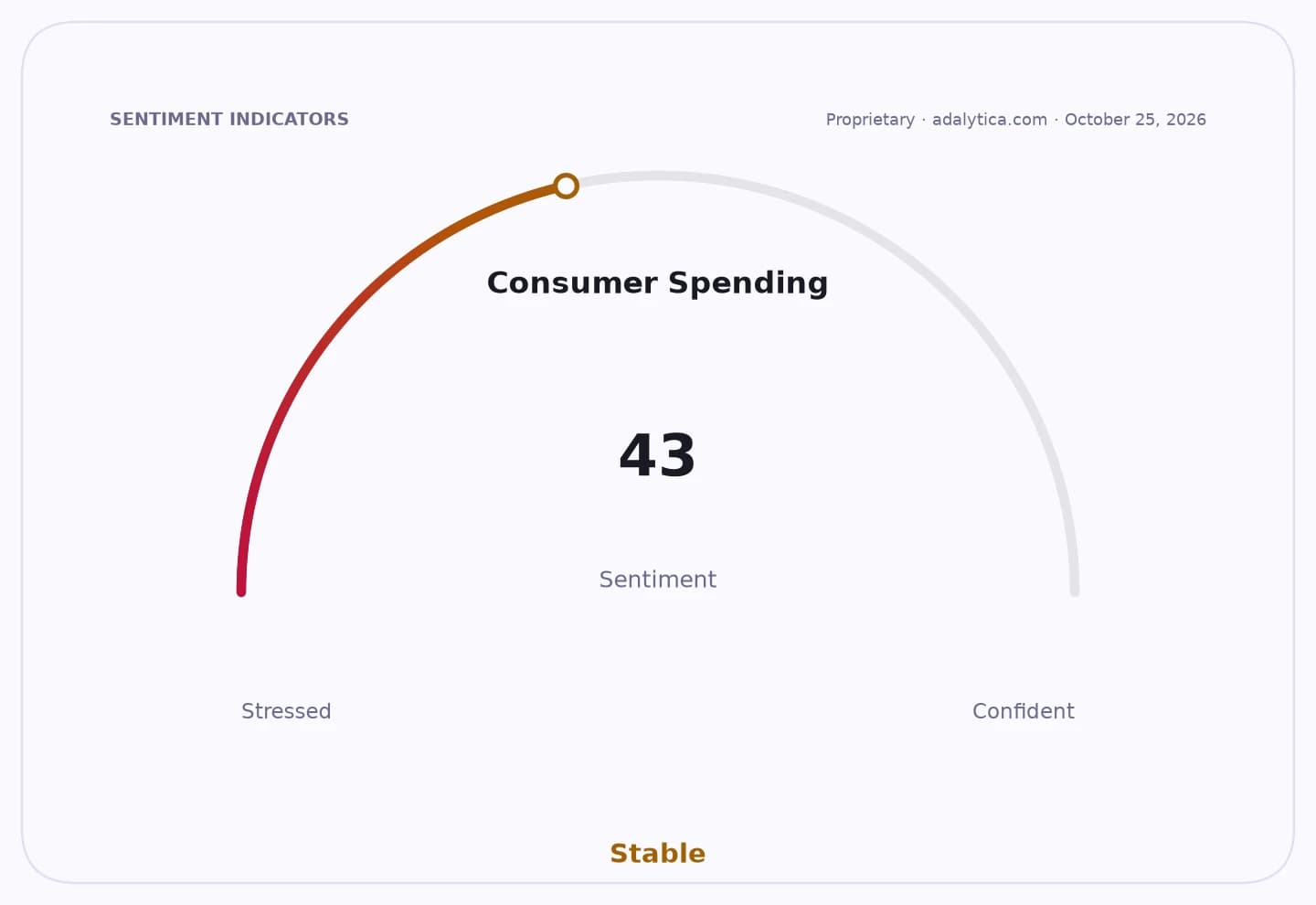
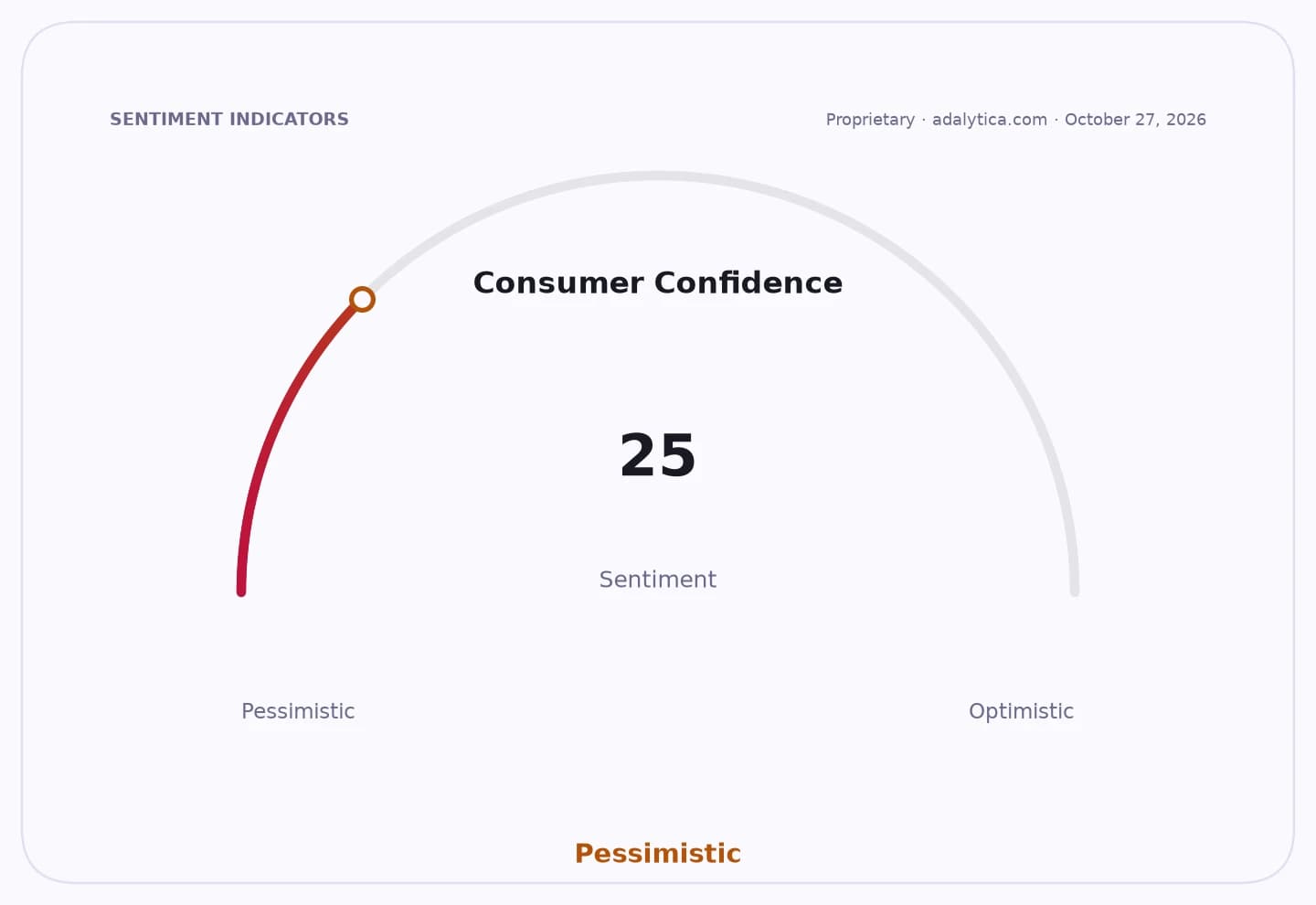
The filing lands in a retail environment where spending is under pressure. Adalytica’s Consumer Spending Sentiment gauge is sitting at 4, labeled “Extreme Fear,” while its Consumer Confidence Recession Sentiment reads 18, signaling persistent caution that tends to hit discretionary chains first and hardest.
Children’s Place’s case also fits a broader pattern of distressed retail and credit stress that has forced lenders, landlords and suppliers to manage more downside risk. A sale process may preserve the brand and some operating value, but it leaves common shareholders with little obvious path to recovery unless a buyer materially exceeds expectations.
The next catalyst is the bankruptcy court process, including any stalking-horse bidder, financing approvals and sale timeline. Until then, the focus shifts from earnings or turnaround efforts to how much value can be salvaged in court.
| Entity | Gains | Losses |
|---|---|---|
| Buyer / stalking-horse bidder | ▲Brand and assets at a discount | ▼Assumes restructuring risk |
| Children’s Place lenders | ▲Potential asset recovery | ▼Extended workout uncertainty |
| Suppliers / landlords | ▲Better chance of partial payment | ▼Higher counterparty risk |
| PLCE common shareholders | ▲Possible remote upside | ▼Major dilution or wipeout |