David Jones has laid bare just how deep its collapse runs, with administrators telling creditors that more than 500 parties are owed over $450 million and that it is still too early to know whether they will recover even a fraction of it.
David Jones creditors owed over $450 million
That matters because the 188-year-old department store is not simply another retail failure. It is a test of how much value can be salvaged from a legacy chain that has been squeezed for years by weak traffic, thin margins and heavy fixed costs. The numbers now point to a business whose balance sheet had already been broken before administration, with net assets down to just $19 million as of Oct. 26 against total liabilities of $608 million.
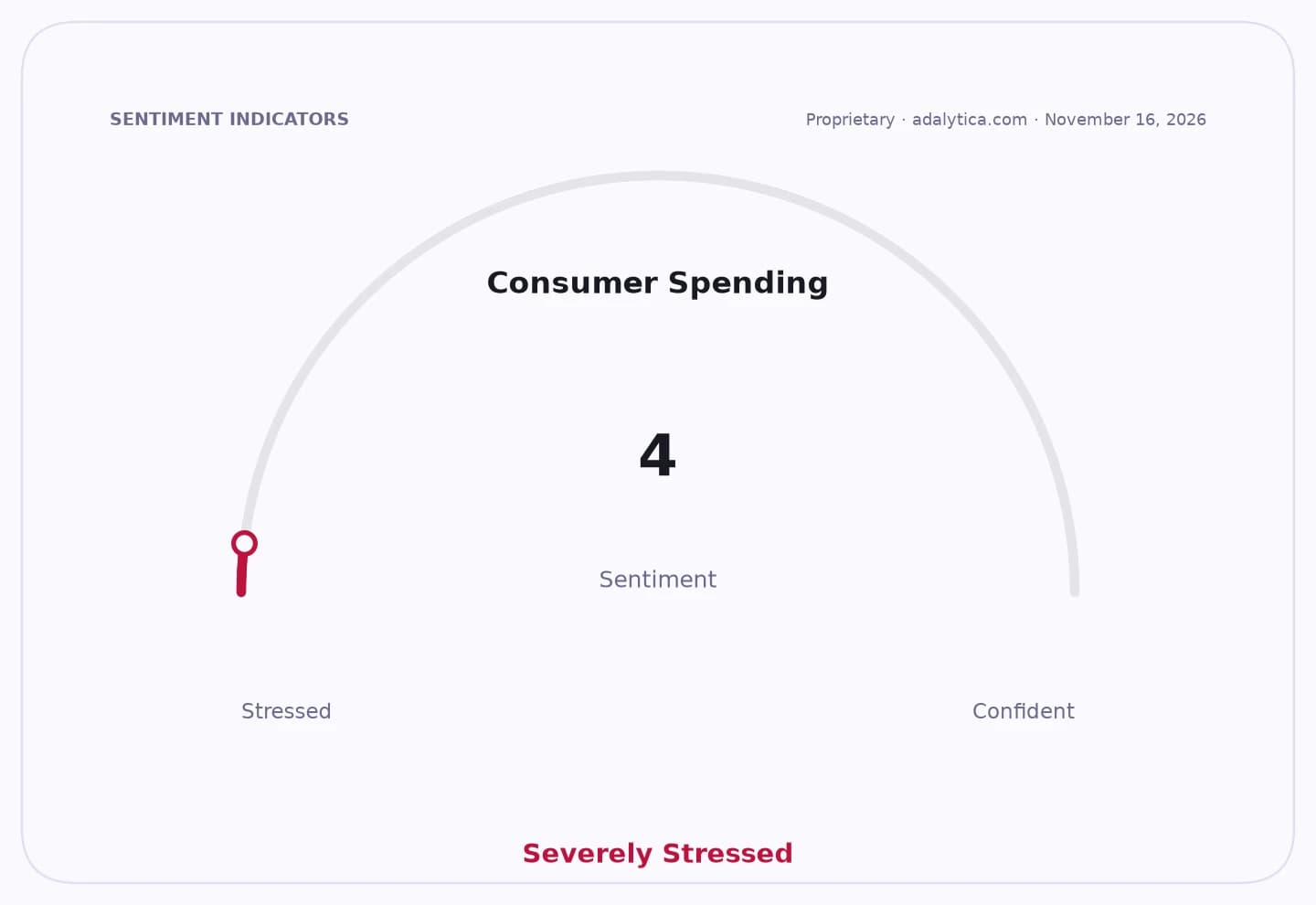
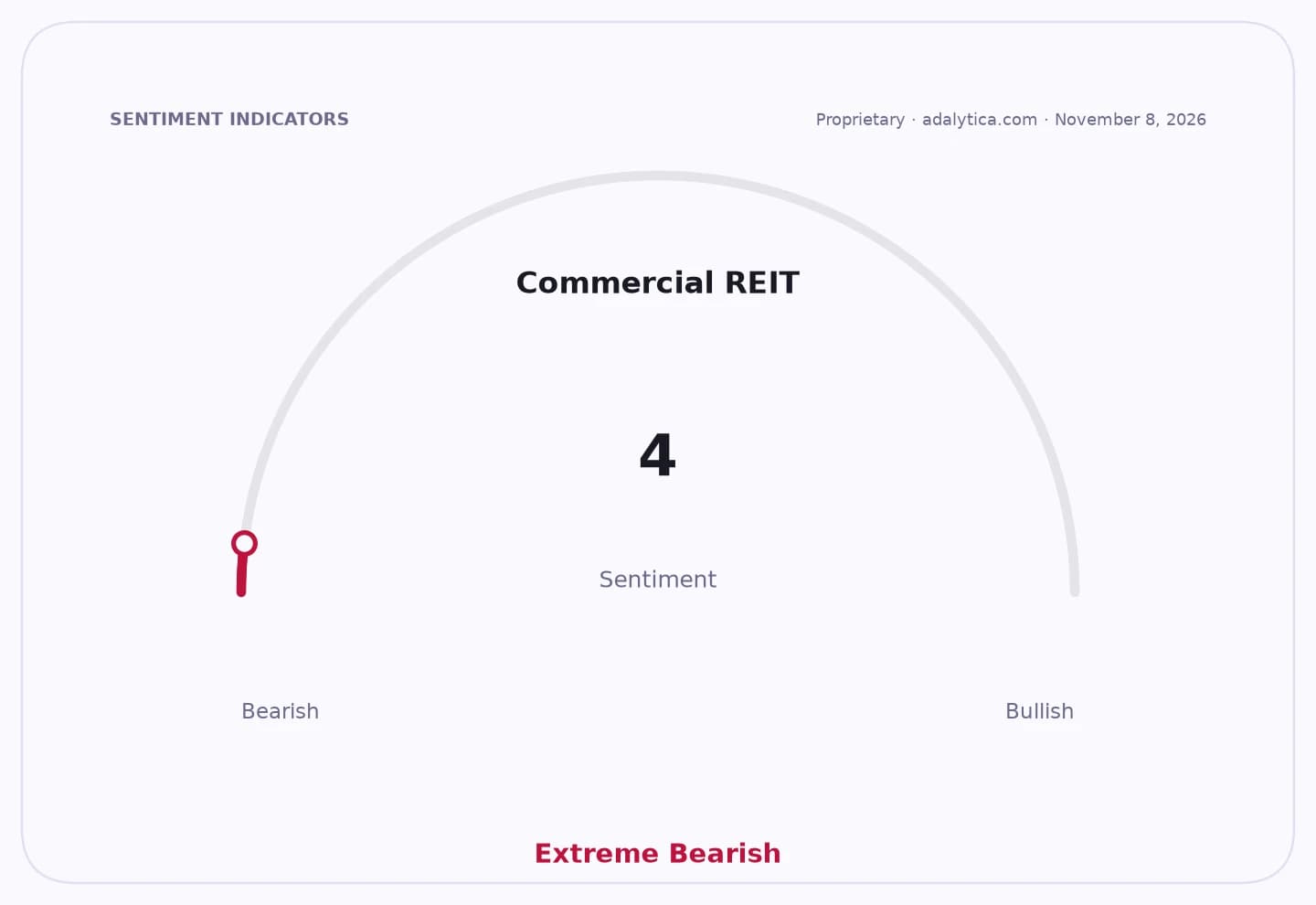
Sentiment Indicators
For suppliers and smaller businesses, the immediate issue is cash survival. McGrathNicol and FTI Consulting said the first creditors’ meeting brought together hundreds of claimants chasing a combined total that has now swelled to more than $450 million, while the administrators remain unable to give even a rough estimate of cents in the dollar. That uncertainty is itself economically significant: in a chain with hundreds of vendors, landlords and employees linked to its stores, the longer the process drags on the greater the knock-on stress on working capital across the retail supply chain.
The sale process may ultimately decide how bad the damage becomes. About 150 local and international parties are being engaged, and administrators are pursuing a going-concern sale rather than a wind-down in an effort to preserve value. But the pressure is obvious. David Jones has run mounting pre-interest and tax losses since 2024/25, reported a net loss of $228 million in 2025/26 and lost another $69 million in the first four months of 2026/27 as gross margins slipped and occupancy costs rose. Those figures suggest a retailer that has been structurally outpaced by its cost base.
Investors should read this as a broader warning on old-economy retail assets with heavy lease obligations. The plan to close 18 of its 37 Australian stores and one in Auckland by year-end shows how aggressively the business must shrink just to stand a chance of survival. If a buyer emerges, the opportunity may lie not in the legacy store network but in extracting value from the brand, prime locations and any streamlined operating base. If no deal materializes, creditors could be staring at a recovery that is far below their expectations.
The next catalyst is the second creditors’ meeting, likely in mid-to-late January, when administrators expect to have a clearer view on bidder interest and potential recoveries. Until then, David Jones remains an important case study in distressed retail: the debt is real, the asset base is deteriorating, and the market is still trying to price the value of a brand that once looked untouchable.
| Entity | Gains | Losses |
|---|---|---|
| Potential buyers | ▲Discounted brand and assets | ▼Large restructuring burden |
| Secured creditors | ▲Priority over proceeds | ▼Time and recovery uncertainty |
| Suppliers and small businesses | ▲Possible partial payout | ▼Risk of deep haircuts |
| Landlords and employees | ▲Some clarity from sale process | ▼Store closures and unpaid claims |