Chile’s new government and Javier Milei’s Argentina used a brief but symbolically loaded meeting in Santiago to reset bilateral ties, affirm Chilean sovereignty over the Strait of Magellan and reiterate Argentina’s claim to the Falkland Islands, a posture that could reduce regional friction while reinforcing a pro-market integration agenda.
Chile and Argentina reset bilateral ties in Santiago
The 41-minute encounter between Chilean President José Antonio Kast and Milei matters less for the photo opportunity than for the signal it sends to investors: South America’s two market-oriented governments are moving to align on trade, energy and mining at a time when the region is searching for growth, capital and policy predictability. By explicitly backing the 1881 and 1984 treaties on the Magellan Strait, the two leaders closed the door on recent talk in Argentina of shared administration of the waterway. That removes, at least for now, a diplomatic irritant over a strategic shipping route linking the Atlantic and Pacific.
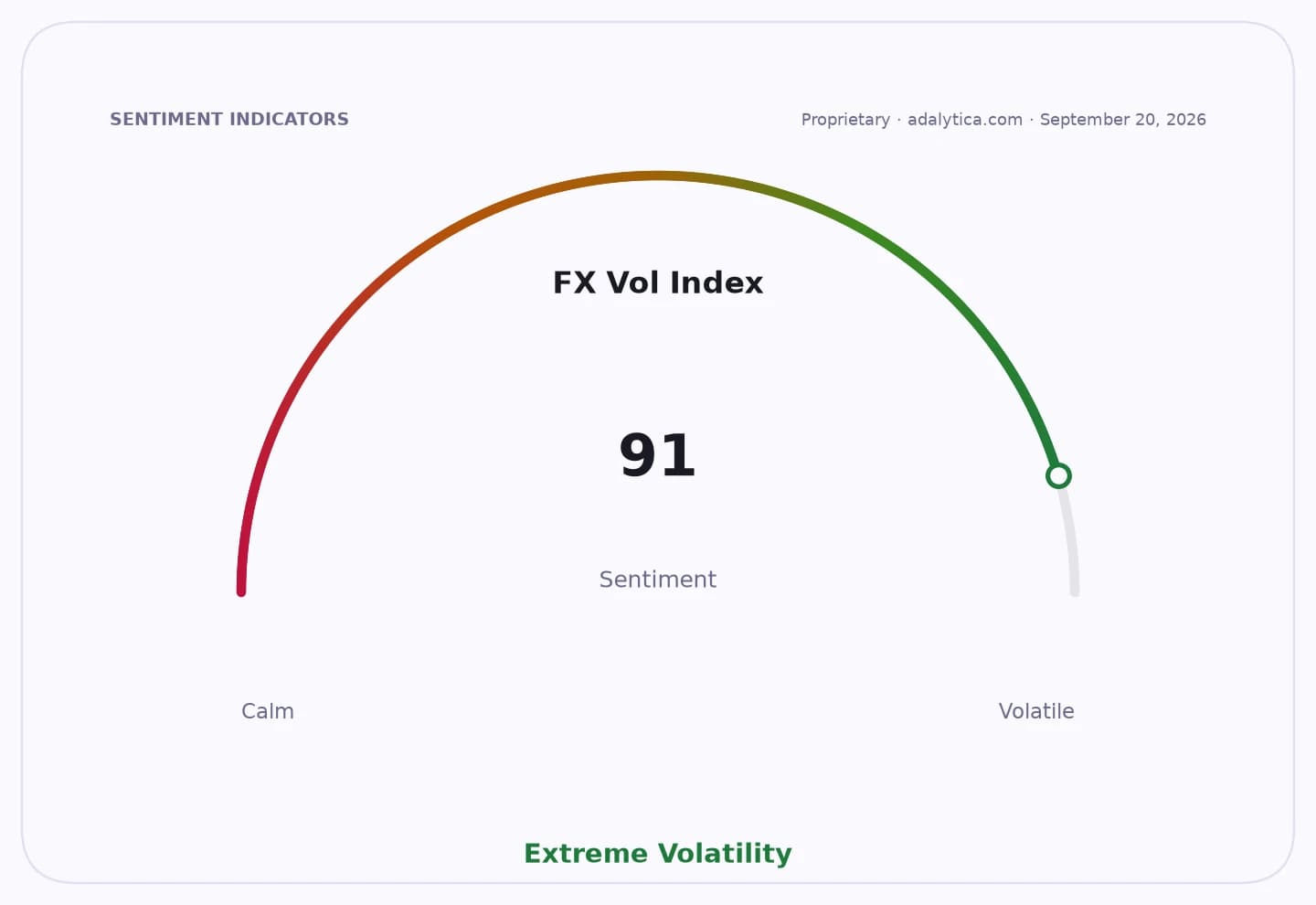
Sentiment IndicatorsⓘProprietary · adalytica.com · September 5, 2026
This is a snapshot — live sentiment, awareness and momentum for 130+ markets update continuously in the dashboard.Open AlphaPulse
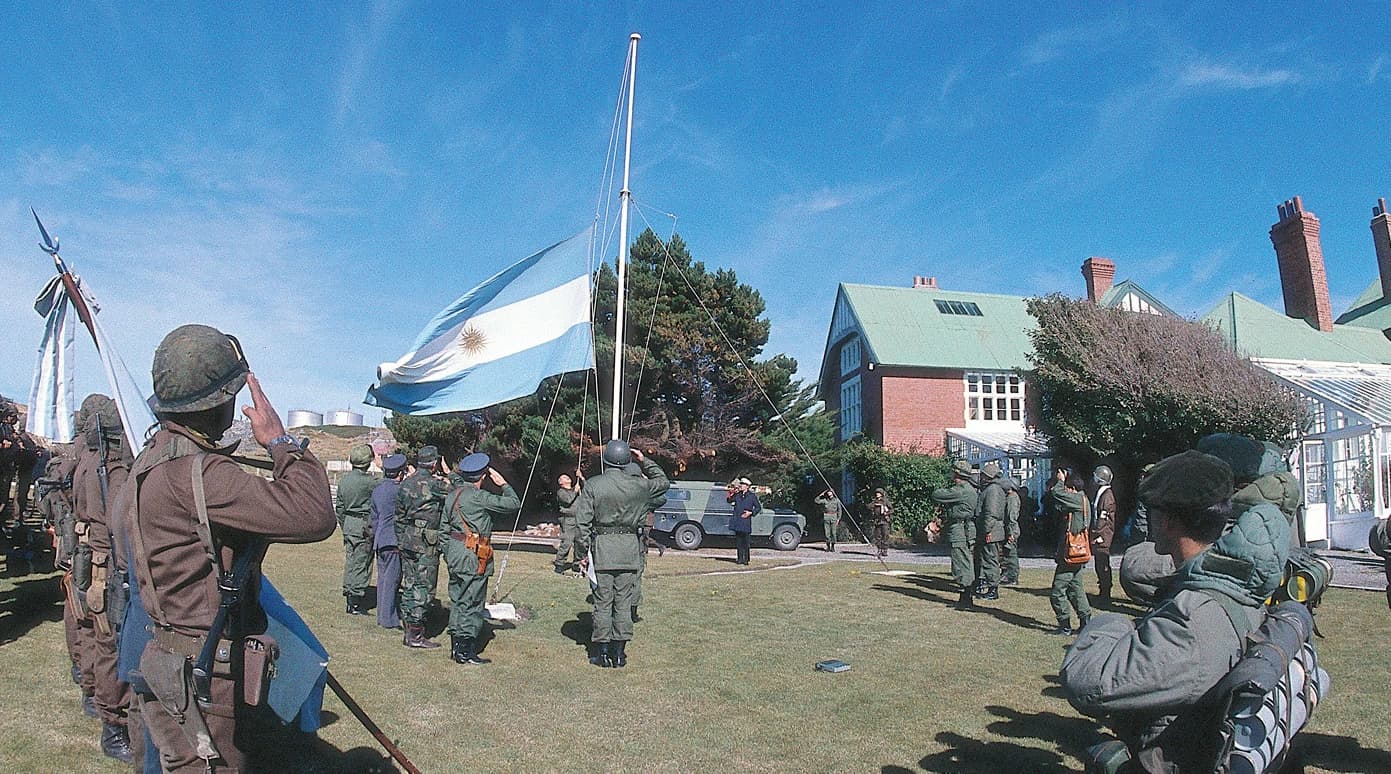
The communiqué was equally important for what it said about the Falklands. Kast reiterated Chile’s support for Argentina’s “legitimate rights” over the islands and called for negotiations with Britain to resume. For Milei, who has made sovereignty rhetoric central to his domestic and foreign policy messaging, the statement offers a regional endorsement without immediate economic cost. For London, it is mostly diplomatic noise. For markets, it matters because it shows Kast is willing to pair a market-friendly, pro-investment agenda with selective nationalism on core territorial issues.
That combination could help Chile and Argentina deepen cooperation in areas with real economic value. The statement cited work through the mining integration commission and the trade commission, while underlining energy complementarity and Argentina’s role as a stable supplier of gas and oil to Chile. That is commercially meaningful: Chile needs reliable energy supplies, Argentina needs export channels and investment, and both countries stand to benefit if cross-border infrastructure and regulatory coordination improve. The most obvious winners would be miners, pipeline operators and exporters; the losers would be any local constituencies betting on a more confrontational bilateral cycle.
The market backdrop suggests investors are already willing to look through the politics when policy points in a pro-growth direction. Argentina-tracking funds have been firmer than Chile-focused ones in recent sessions, with the ARGT ETF closing at $96.41 on Sept. 4, above its 50-day and 200-day moving averages, while ECH finished at $40.84, roughly in line with both trend gauges. EWW, the Mexico ETF, was also steady, underscoring that Latin American equities are being judged more on policy credibility and growth prospects than on headlines alone. Technical readings also show ARGT’s RSI near 66, still strong but no longer stretched, suggesting room for consolidation rather than a collapse.
Adalytica’s Global Stability Sentiment remains neutral at 44, while its FX Volatility Trading Signals sit in “Extreme Fear,” a reminder that political rapprochement does not eliminate currency and funding risk. The US dollar signal has also firmed over the last week, which matters for regional assets because a stronger dollar typically tightens financial conditions and can dull appetite for emerging-market exposure.
The broader narrative is straightforward: Kast and Milei are trying to make ideology work as an investment strategy. If they can turn the symbolic alignment into faster approvals, energy flows and mining integration, the economic payoff could be meaningful. If the relationship stays at the level of declarations, the gains for investors will be mostly rhetorical. The next test will be whether the two governments can convert the goodwill into concrete cross-border projects without reopening old sovereignty disputes.
| Entity | Gains | Losses |
|---|---|---|
| Chile and Argentina governments | ▲Better bilateral ties | ▼Diplomatic friction |
| Miners and energy firms | ▲Easier integration and supply flows | ▼Policy uncertainty |
| Argentina | ▲Regional support on Malvinas claim | ▼Pressure to compromise with UK |
| Britain and territorial hardliners | ▲— | ▼More diplomatic isolation |