Chile’s copper exports fell to a 12-month low in August even as prices surged, underscoring how weather and operational disruptions in the world’s biggest producer are tightening a market already starved of supply.
Chile Copper Exports Fall on Weather Disruptions

Copper shipments dropped to $4.62 billion, down 14% from July and 3.2% from a year earlier, according to central bank data. That was the weakest monthly reading since July 2025, despite August’s average copper price running more than 40% above the same month last year. For investors, the message is clear: the price rally is being driven less by demand strength than by constrained supply, and Chile remains a key choke point.
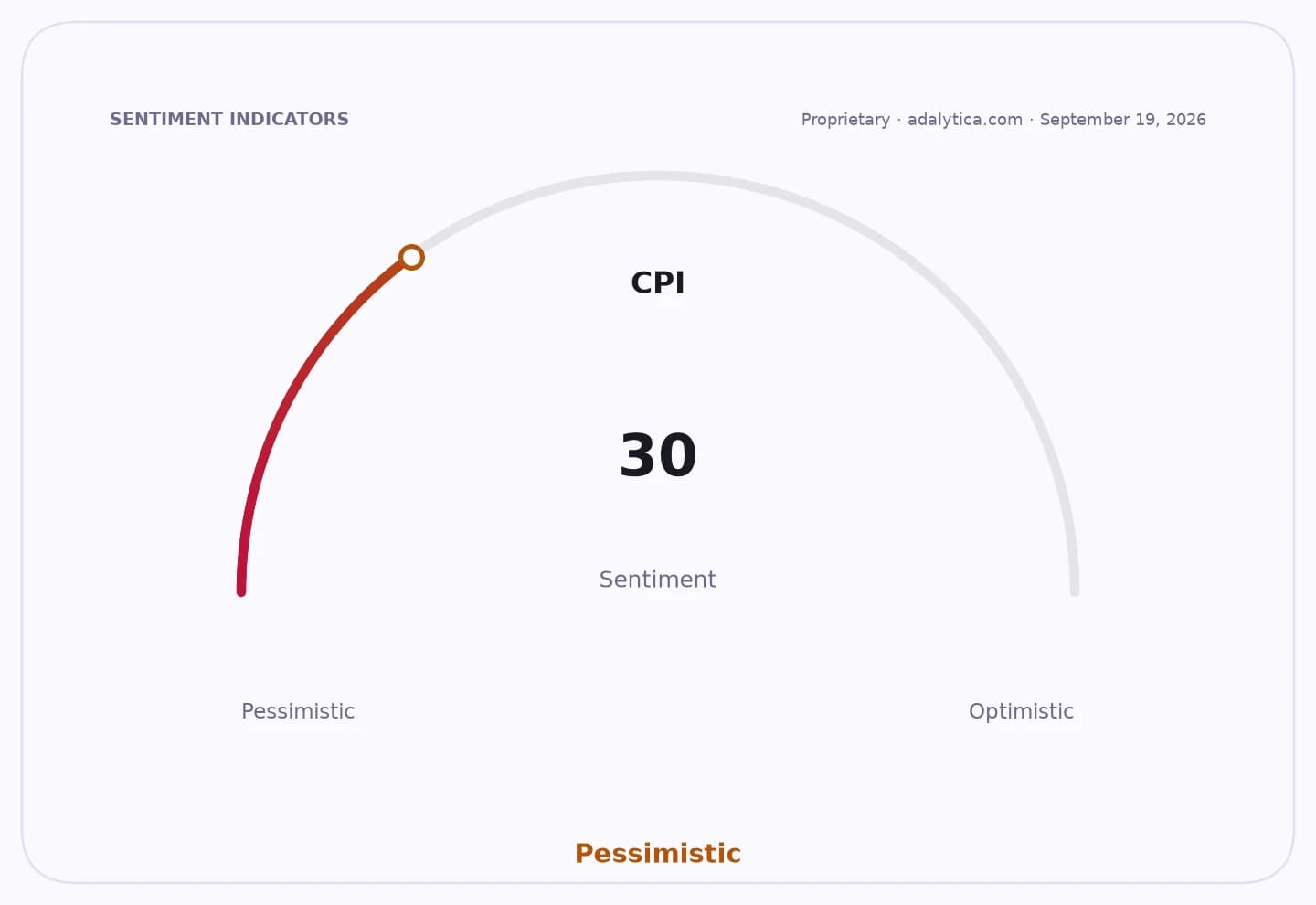
Sentiment IndicatorsⓘProprietary · adalytica.com · September 8, 2026
This is a snapshot — live sentiment, awareness and momentum for 130+ markets update continuously in the dashboard.Open AlphaPulse
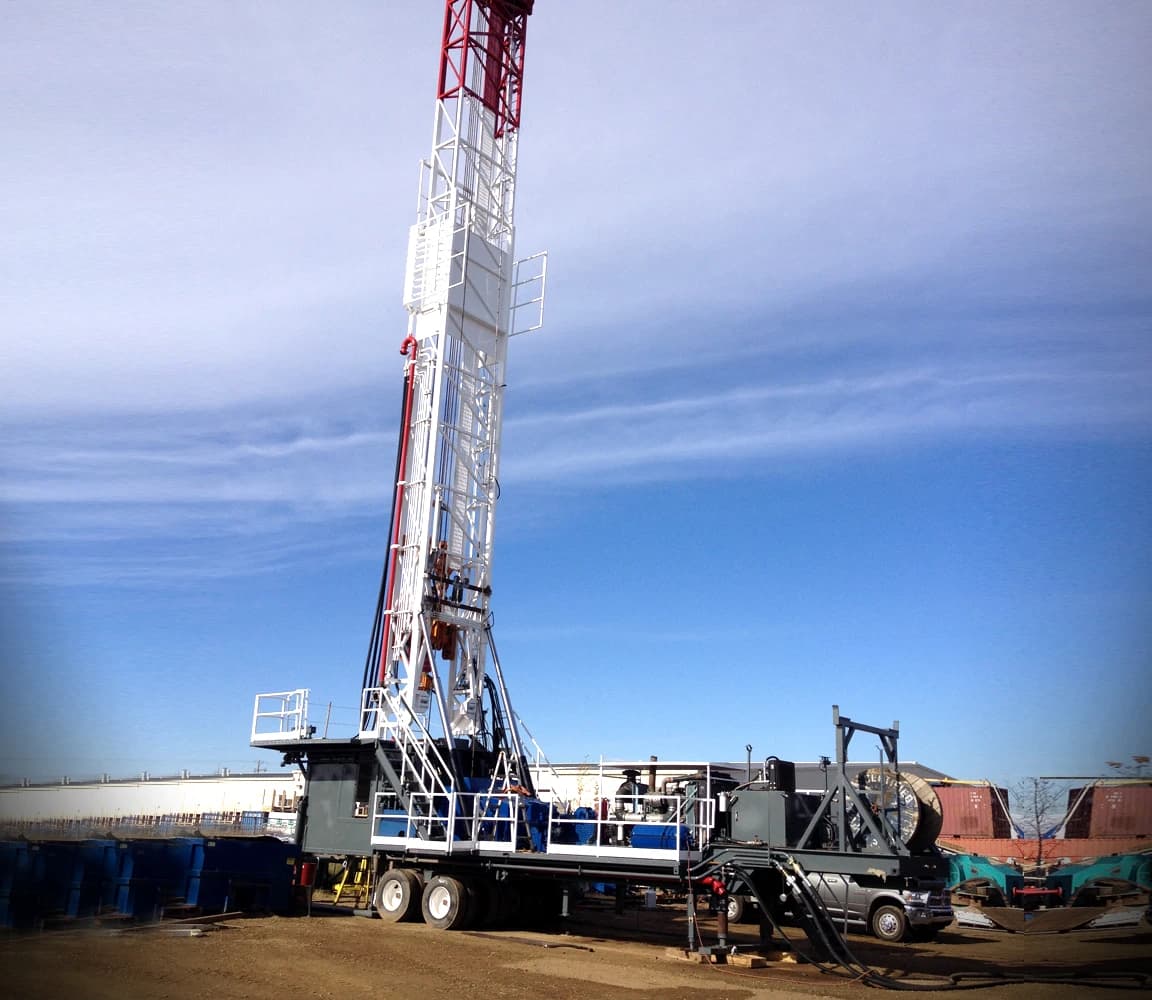
The bottleneck matters because Chile accounts for roughly a quarter of global mined copper output. Storms in July and August brought heavy rain, snow and high winds that interrupted mine activity, while rough seas periodically limited port operations. Those disruptions came on top of broader operational setbacks at Chilean mines, reinforcing an existing supply squeeze across the copper chain.
That supply pressure has been a tailwind for producers with cleaner operations and stronger cost control, even as it raises headaches for manufacturers and infrastructure projects that need reliable metal flow. Copper has become one of the market’s clearest secular trade-throughs on electrification, power grids and data-center buildout, and every disruption in Chile strengthens the investment case for assets tied to scarcity rather than volume.
The market has already responded. Freeport-McMoRan and Southern Copper have both outperformed in recent months, with shares of FCX and SCCO still trading well above their 50-day moving averages. The broader Global X Copper Miners ETF has also rebounded sharply, though the recent pullback in copper prices and the stronger dollar have introduced some volatility. Still, the fundamental setup has not changed: supply remains the scarce variable.
That leaves the next catalyst in Washington and Santiago. US tariff risk has helped keep traders on edge, while Chilean mining companies now face pressure to stabilize operations before winter-weather disruptions become a recurring constraint. If output fails to recover quickly, the copper market could stay tighter for longer, supporting producers, miners and copper-linked ETFs even if the macro backdrop softens.
| Entity | Gains | Losses |
|---|---|---|
| Copper producers | ▲Higher realized prices | ▼Weather-related output loss |
| FCX / SCCO | ▲Scarcity premium | ▼Near-term shipment volatility |
| COPX holders | ▲Sector rebound | ▼Price pullbacks on dollar strength |
| Manufacturers / importers | ▲— | ▼Tighter supply and higher costs |