Copper’s surge is doing more than lifting miners and industrial metals funds — it is also feeding a theft problem that has become costly, disruptive and increasingly concentrated in Spain’s northeast. In Catalonia, four out of every 10 copper cable robberies on train tracks now take place, a sign that elevated copper prices are turning rail infrastructure into an easier target for organized criminals.
Copper Theft Rises on Catalonia Rail Tracks
That matters because copper is not just another commodity. It is the wiring of the modern economy, used in power grids, rail systems, data centers, autos and the green-energy buildout. When its price rises sharply, the incentive to steal cable rises with it, and the damage is not limited to the stolen metal. Rail operators face service interruptions, repair bills and safety risks, while governments are forced to spend more on policing and surveillance.
Sentiment IndicatorsⓘProprietary · adalytica.com · September 25, 2026
This is a snapshot — live sentiment, awareness and momentum for 130+ markets update continuously in the dashboard.Open AlphaPulse
The latest arrests in Huesca, where police detained two men accused of stealing 350 kilograms of railway copper cable, show how routine this has become. The crime pattern is broadening across Spain and beyond, with similar cases reported in Barcelona and in other countries where copper’s resale value makes infrastructure vulnerable. For investors, that is a reminder that commodity booms can create second-order costs that rarely show up in the spot price itself.
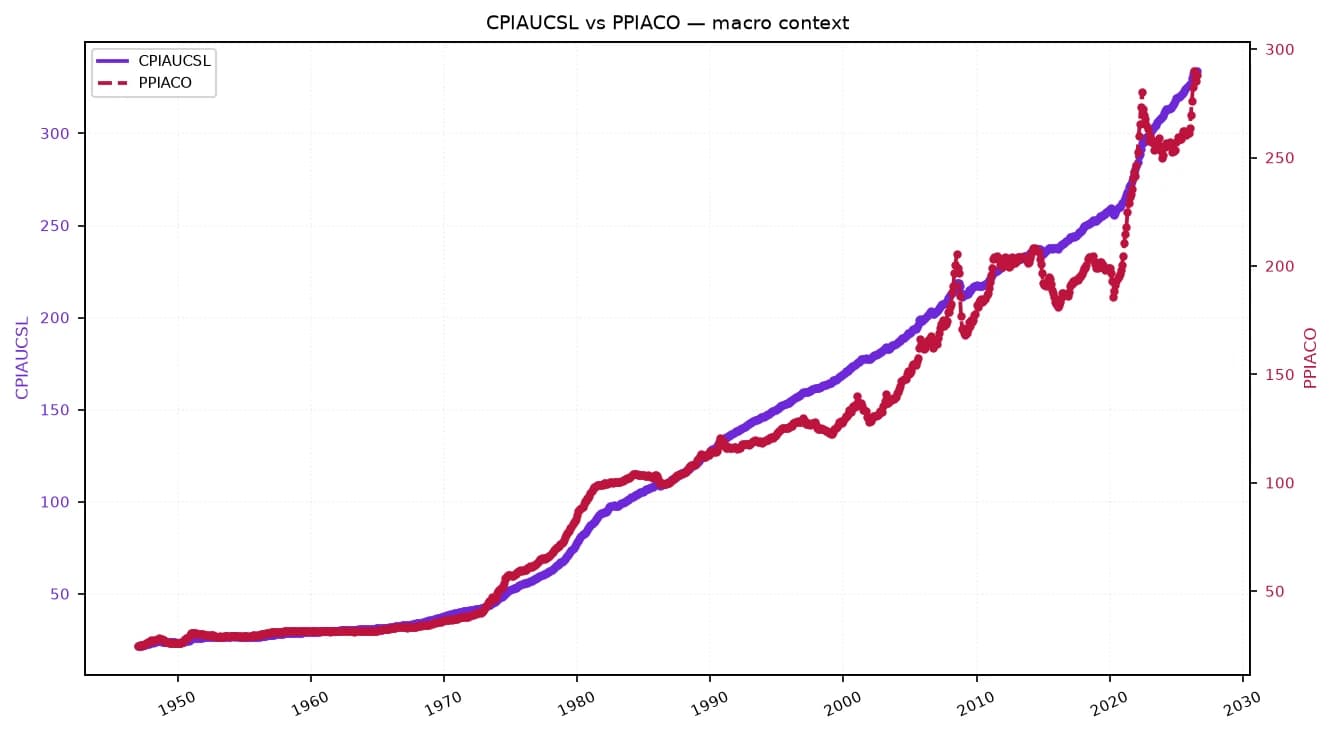
The market backdrop reinforces the point. Copper futures have been trading near multi-year highs, and mining shares such as Freeport-McMoRan have benefited from the rally, while copper funds like the United States Copper Index Fund have also climbed. But the same price strength that supports producers can increase losses from theft, especially in networks that are expensive to harden and difficult to monitor continuously. That is a real operating risk for railroads, utilities and industrial users with long, exposed cable runs.
It also helps explain why law enforcement pressure is likely to intensify. The economics of theft are straightforward: when copper prices rise, scrap value rises, and so does the payoff for criminal networks willing to strip infrastructure for quick resale. That creates a narrow but persistent cost on the broader economy — more outages, more repairs, more insurance claims and more friction in transportation systems that should be moving passengers and freight.
For long-term investors, the bigger lesson is that copper’s importance keeps growing, even as its scarcity creates noise along the way. The metal remains central to electrification, grid expansion and industrial modernization, which is why producers may still deserve a place in diversified portfolios over a multi-year horizon. But this story is also a caution that the benefits of higher commodity prices can spill into unexpected places. In copper, the opportunity is real — and so is the disruption. Worth watching.
| Entity | Gains | Losses |
|---|---|---|
| Copper miners | ▲Higher realized prices | ▼Theft-related losses |
| Railway operators | ▲— | ▼Cable damage, disruptions |
| Scrap dealers | ▲More supply, higher value | ▼Tighter enforcement |
| Catalonia authorities | ▲Justification for crackdowns | ▼Rising public safety burden |