Chile’s holiday shopping season is heading for a smaller bill, with 43% of consumers saying they will spend less than last year and 13% saying they will not buy gifts at all, a sign that inflation, unemployment and debt are forcing households to trim one of the most important retail periods of the year.
Chile holiday spending seen lower in 2026

The National Chamber of Commerce’s Christmas 2026 survey suggests the festive season will still draw shoppers, but with tighter wallets and a narrower basket. While 87% of respondents plan to make Christmas purchases, matching 2025, the average gift budget is seen falling to 117,300 pesos from 124,000 pesos last year, a nominal drop of 5.4% that would be steeper in real terms once inflation is considered.
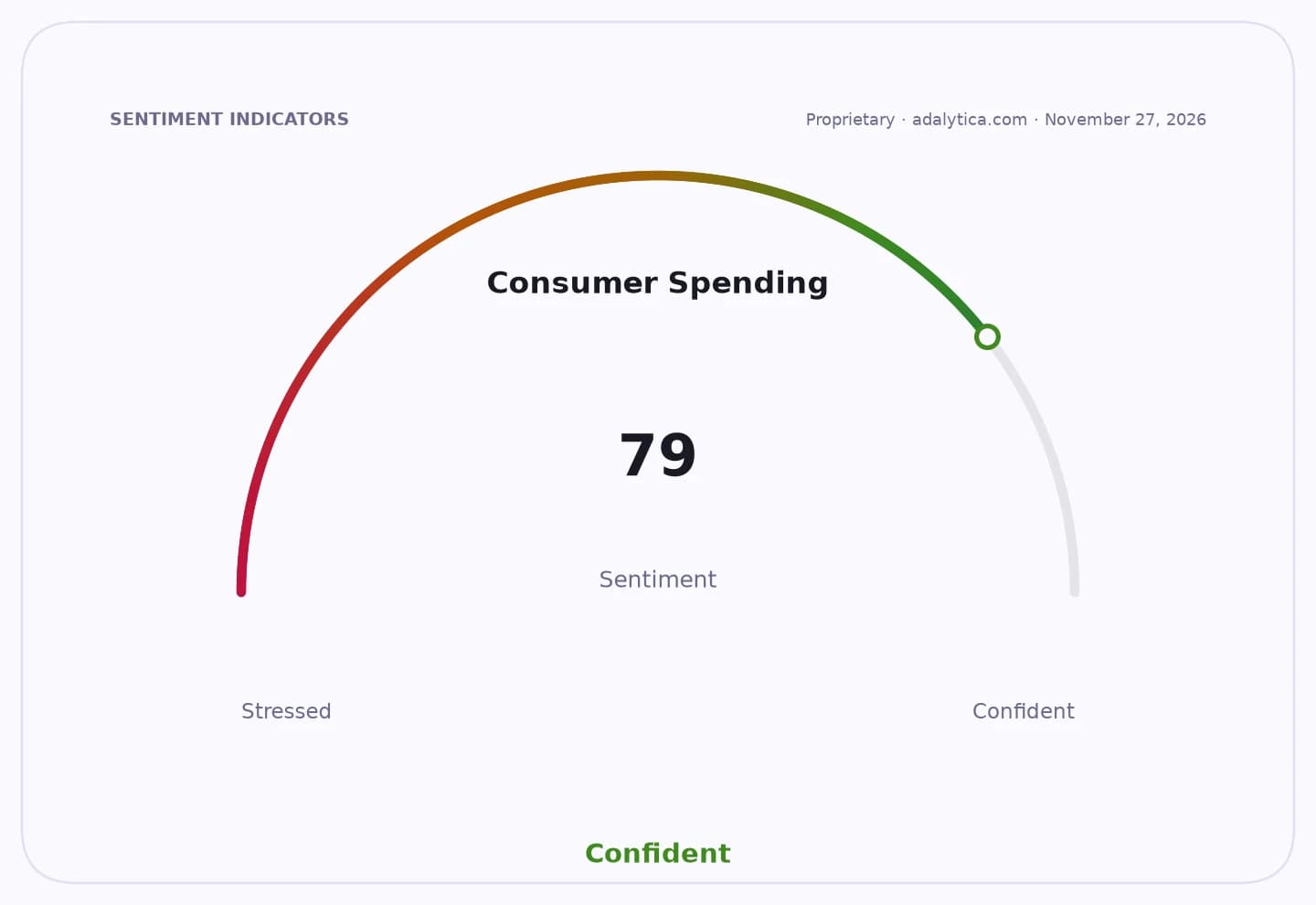
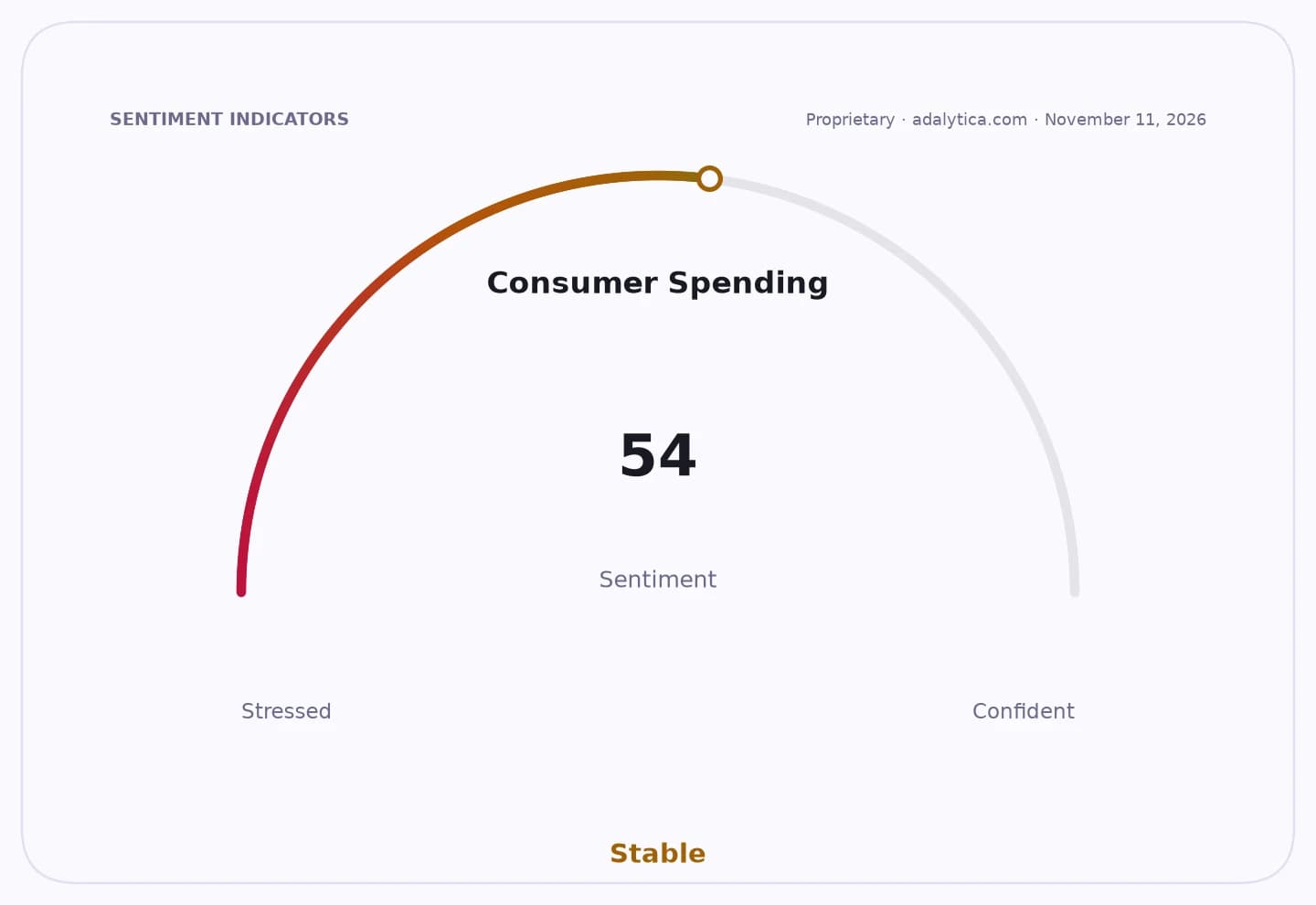
Sentiment Indicators
That matters for retailers because Christmas is one of the biggest sales windows on the calendar, and the data points to a consumer who is not disappearing, but trading down. Forty-one percent of shoppers expect to buy fewer gifts, only 9% plan to increase purchases and the average number of presents slips to 6.9 from seven a year earlier, indicating value-driven buying rather than a broad collapse in demand.
The pressure is broad-based, but debt is emerging as a bigger constraint. Among those planning to cut spending, inflation was cited by 31%, unemployment by 26% and high indebtedness by 22%, up from 14% last year and 11% in 2024. Younger consumers are feeling the squeeze most sharply: 56% of those aged 18 to 30 expect to spend less, versus 32% of people aged 31 to 45.
RSXFS vs UMCSENT — macro contextadalytica.com
Explore this data interactively — full history, time series and cross-market comparisons.
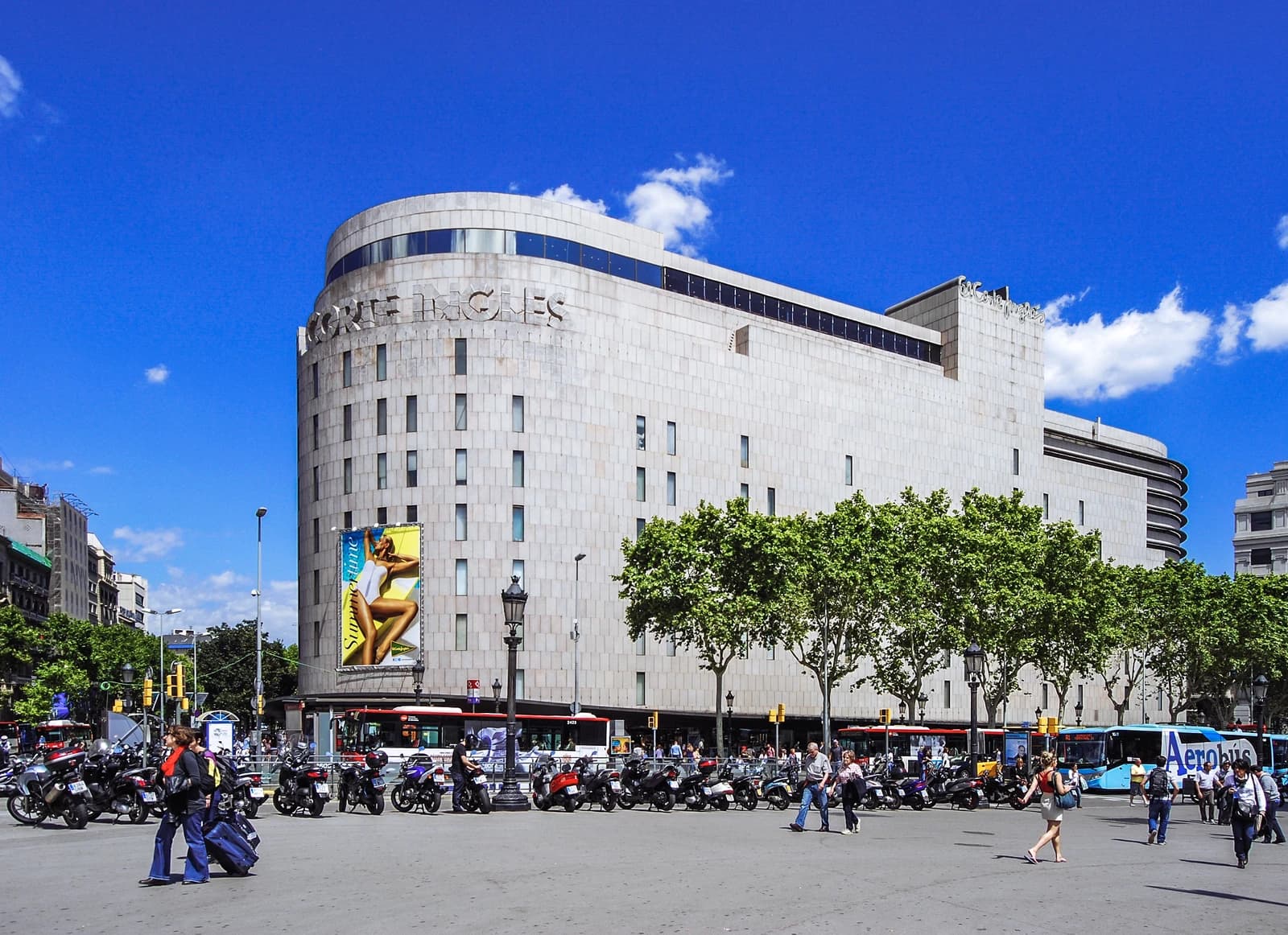
For retailers and malls, the survey still points to traffic, just not necessarily bigger baskets. A total of 86% of consumers say they will visit physical stores, and 77.5% still favor malls, which remain the top shopping destination. Online channels retain a strong role, but even there the story is one of caution: 44% plan to shop both in-store and online, down from 49% a year ago, while only 14% will buy exclusively online.
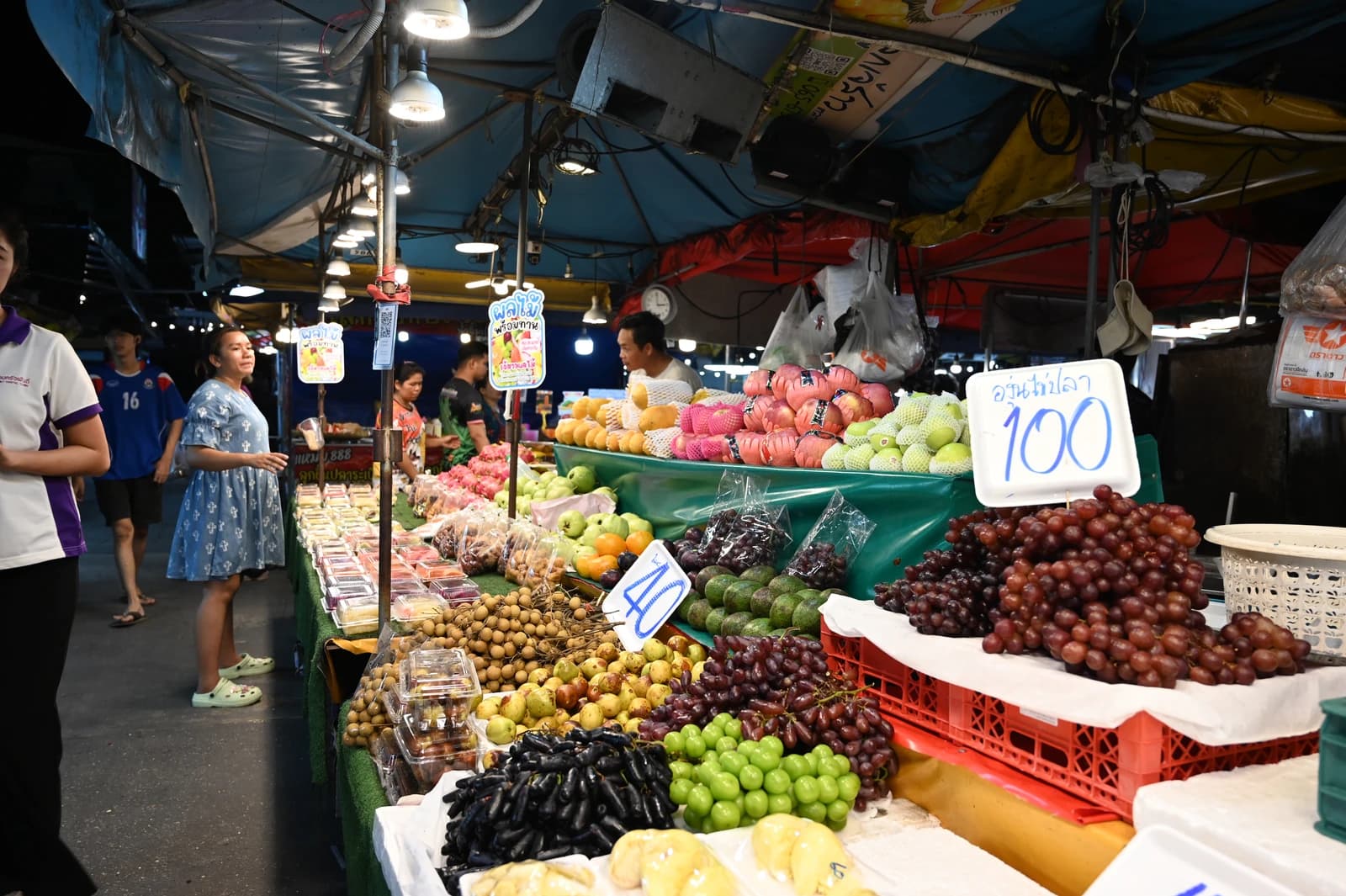
The mix of purchases also suggests selective spending. Clothing leads with a 91% intention-to-buy rate, followed by toys at 76%, beauty and personal care at 73% and accessories at 72%, but the chamber said every category showed lower interest than in 2025, reinforcing the picture of a consumer concentrating on essentials and lower-priced gifts.
Promotions remain important, but not decisive. Black Friday and Cyber Monday are influential for 34% of respondents, and the first half of December remains the preferred buying window for 47%, which could keep discounting and inventory planning front and center for chains such as department stores, supermarkets and mall operators.
The squeeze extends to holiday meals as well. Consumers planning Christmas dinners expect to spend 39,175 pesos on average, down 3.9% from last year, even as the average number of guests holds steady at 5.5, implying a lower spend per person. For investors, that reinforces the broader read-through: Chile’s retailers may still get volume, but margin pressure, heavier promotions and smaller tickets are likely to define the season.
| Entity | Gains | Losses |
|---|---|---|
| Discounters and value retailers | ▲Trade-down traffic | ▼Premium gift sales |
| Malls and department stores | ▲Footfall from shoppers | ▼Bigger average baskets |
| Online marketplaces and social commerce | ▲Budget-conscious buyers | ▼Full-price conversion |
| Chilean households | ▲Lower nominal holiday outlay | ▼Holiday flexibility |