Swedish households are heading into 2027 with another round of grocery inflation likely to push food budgets higher, and families with teenagers will feel it most.
Sweden food inflation seen rising in 2027
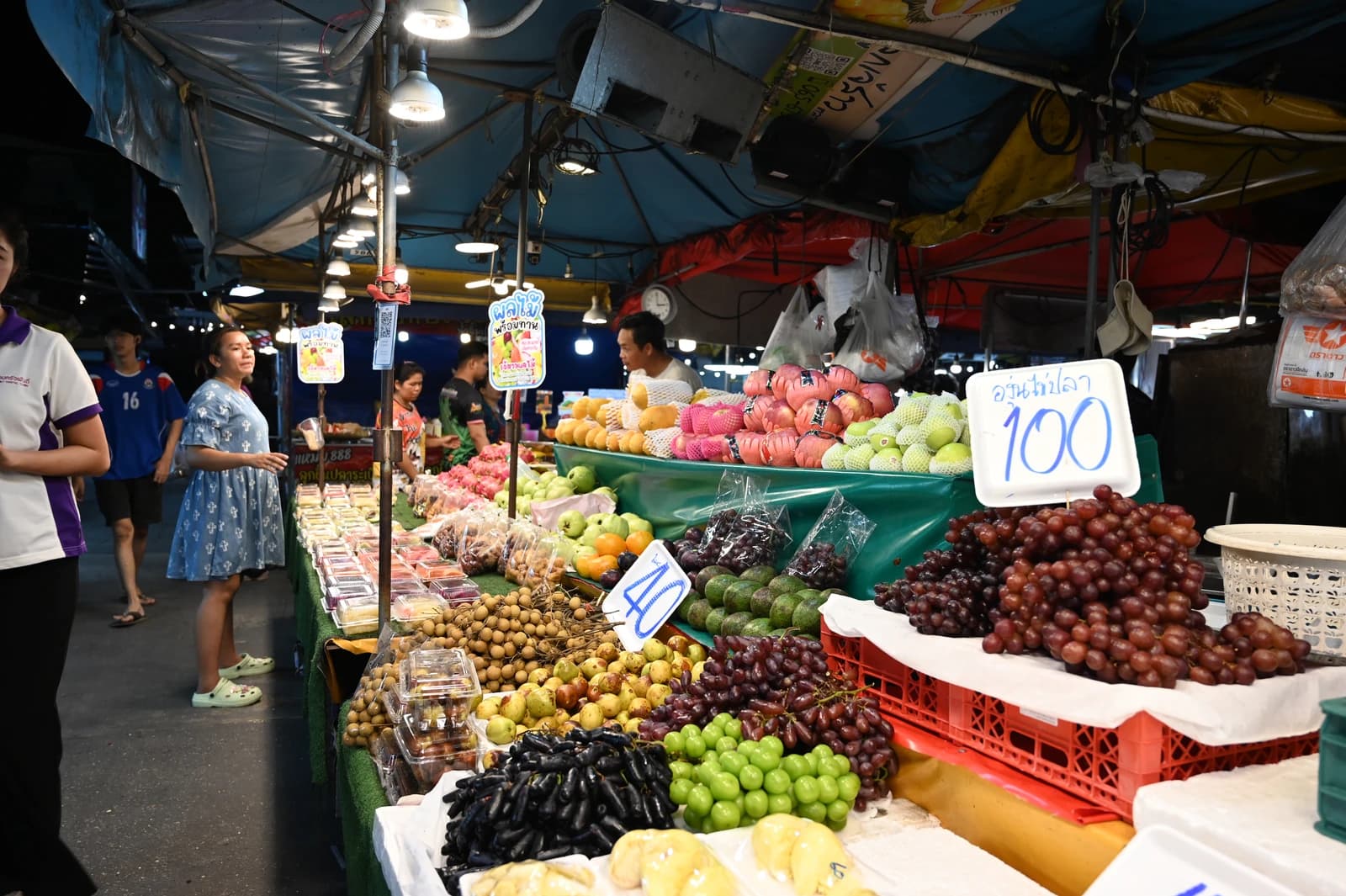
That is the clear message from new calculations by Sweden’s Consumer Agency and industry forecasts pointing to firmer prices for dairy, coffee, bread and other staples next year. The squeeze matters because food is one of the largest recurring costs in household budgets, and even modest increases compound quickly across millions of homes already coping with years of elevated living costs.
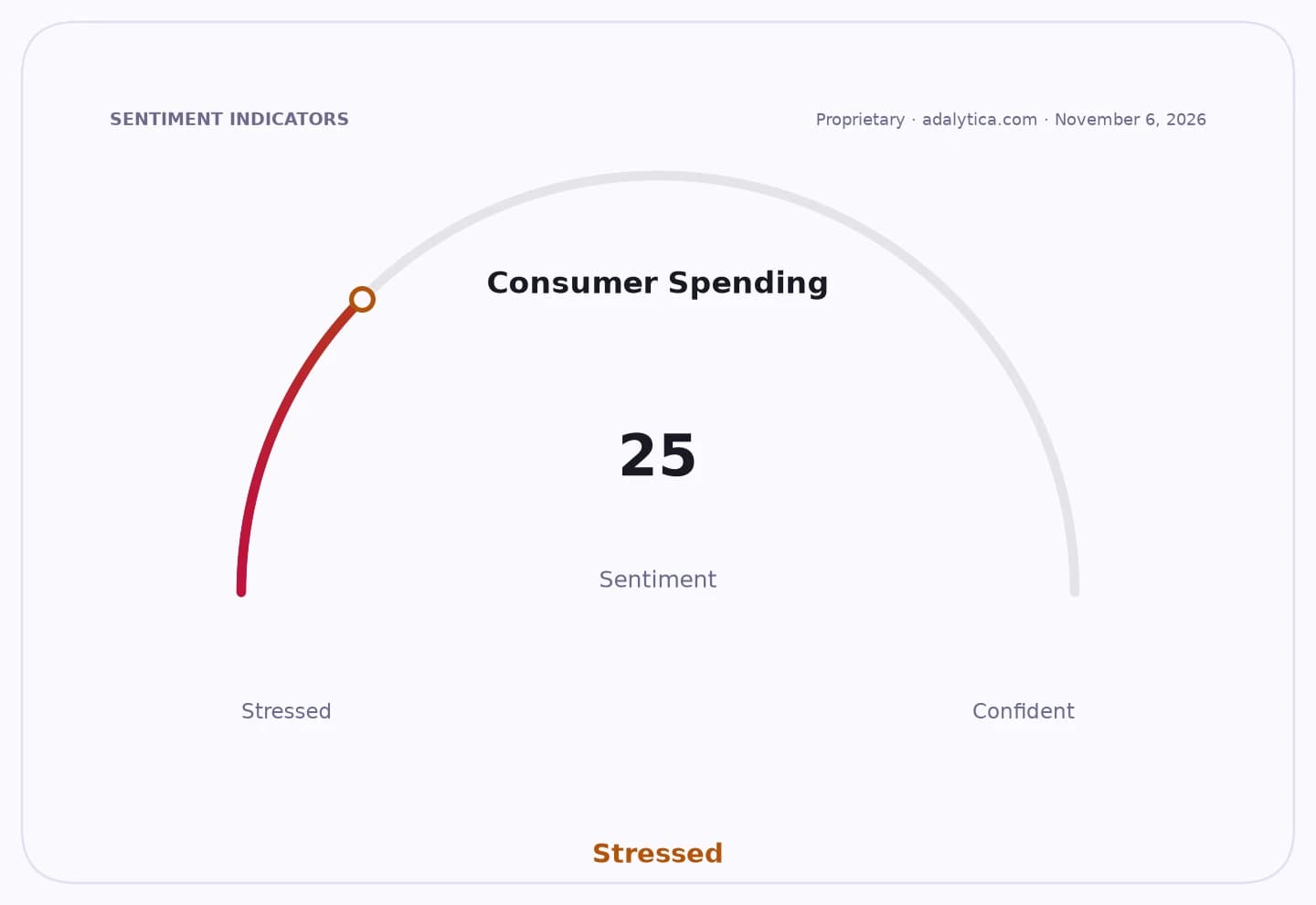
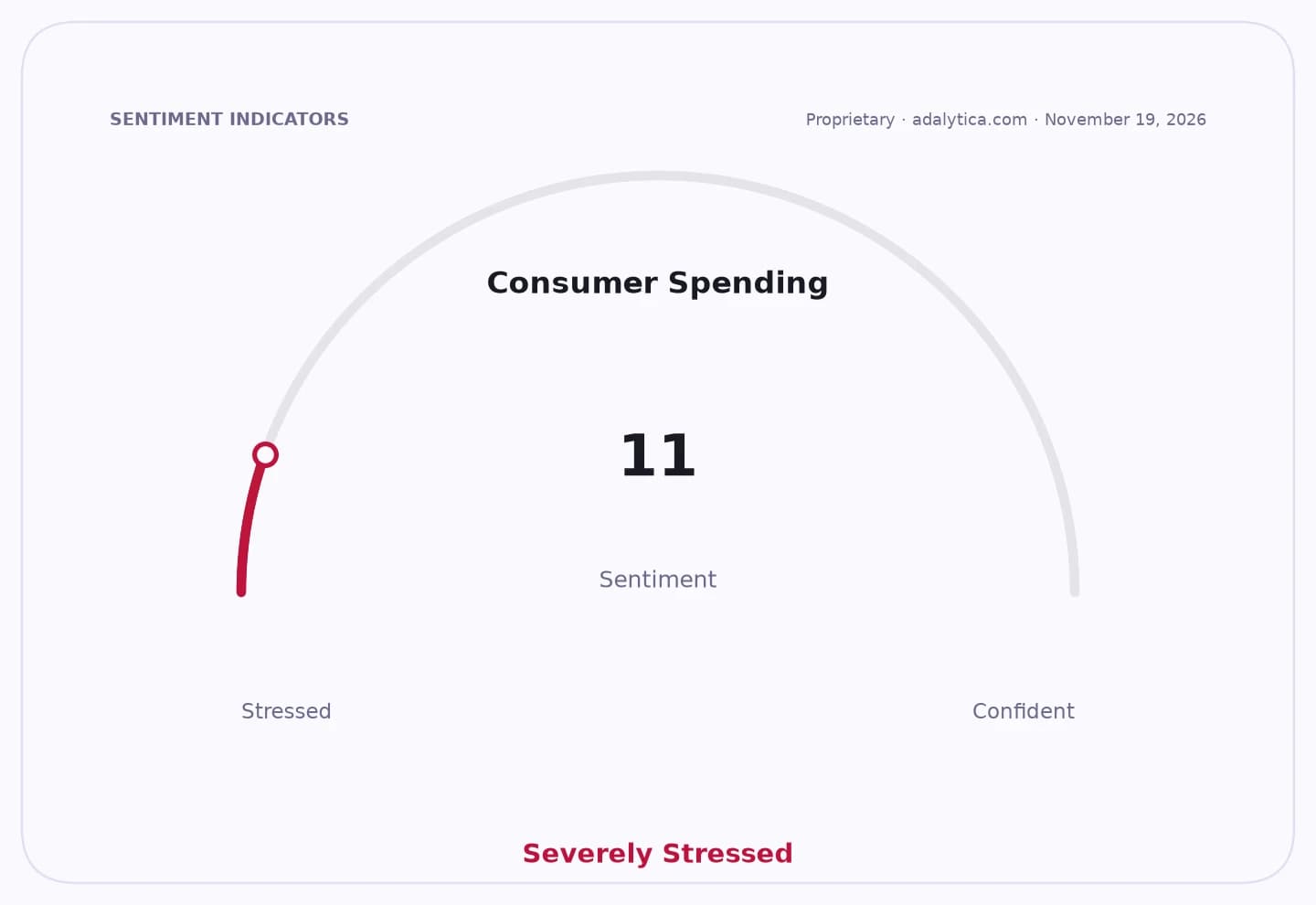
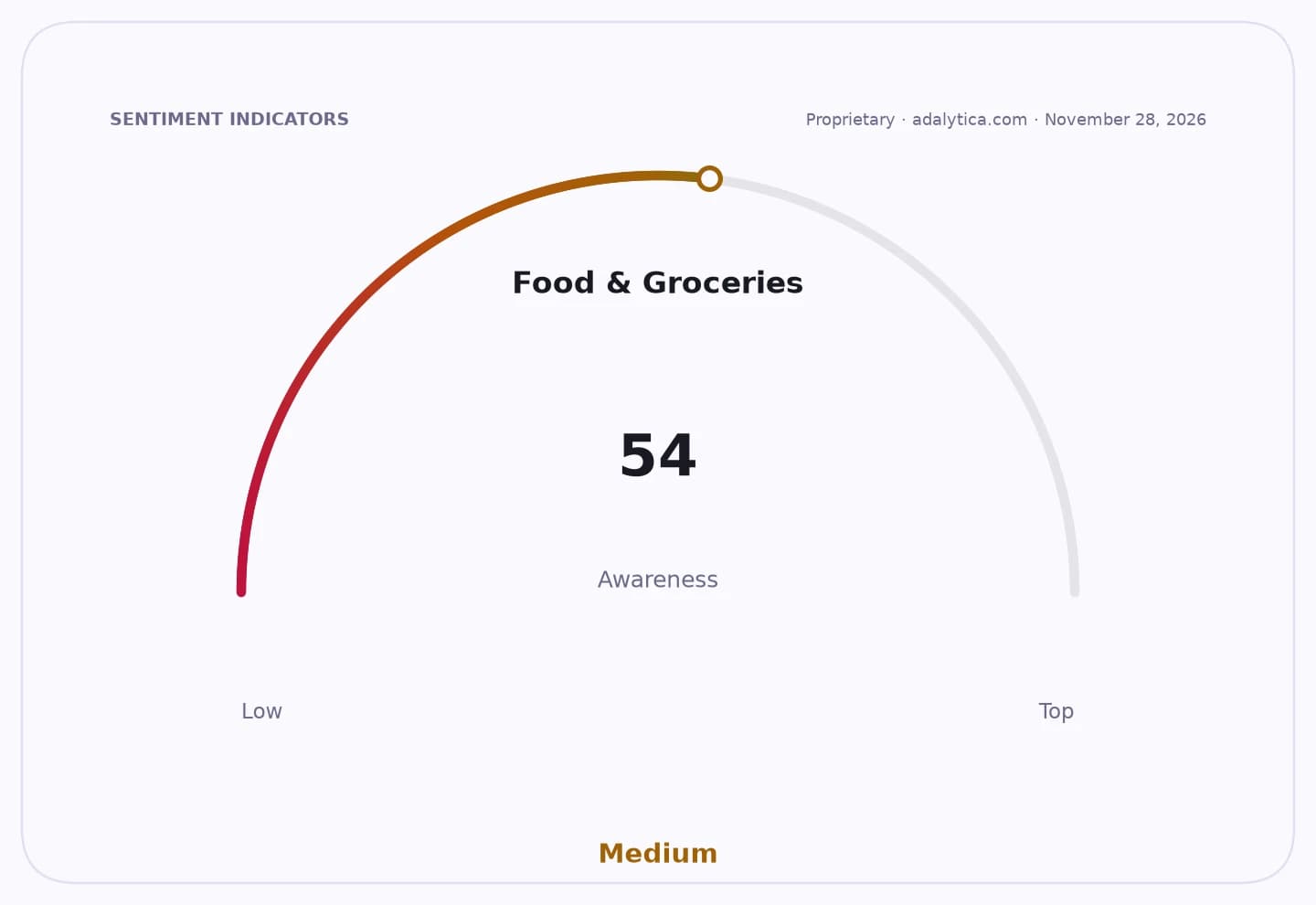
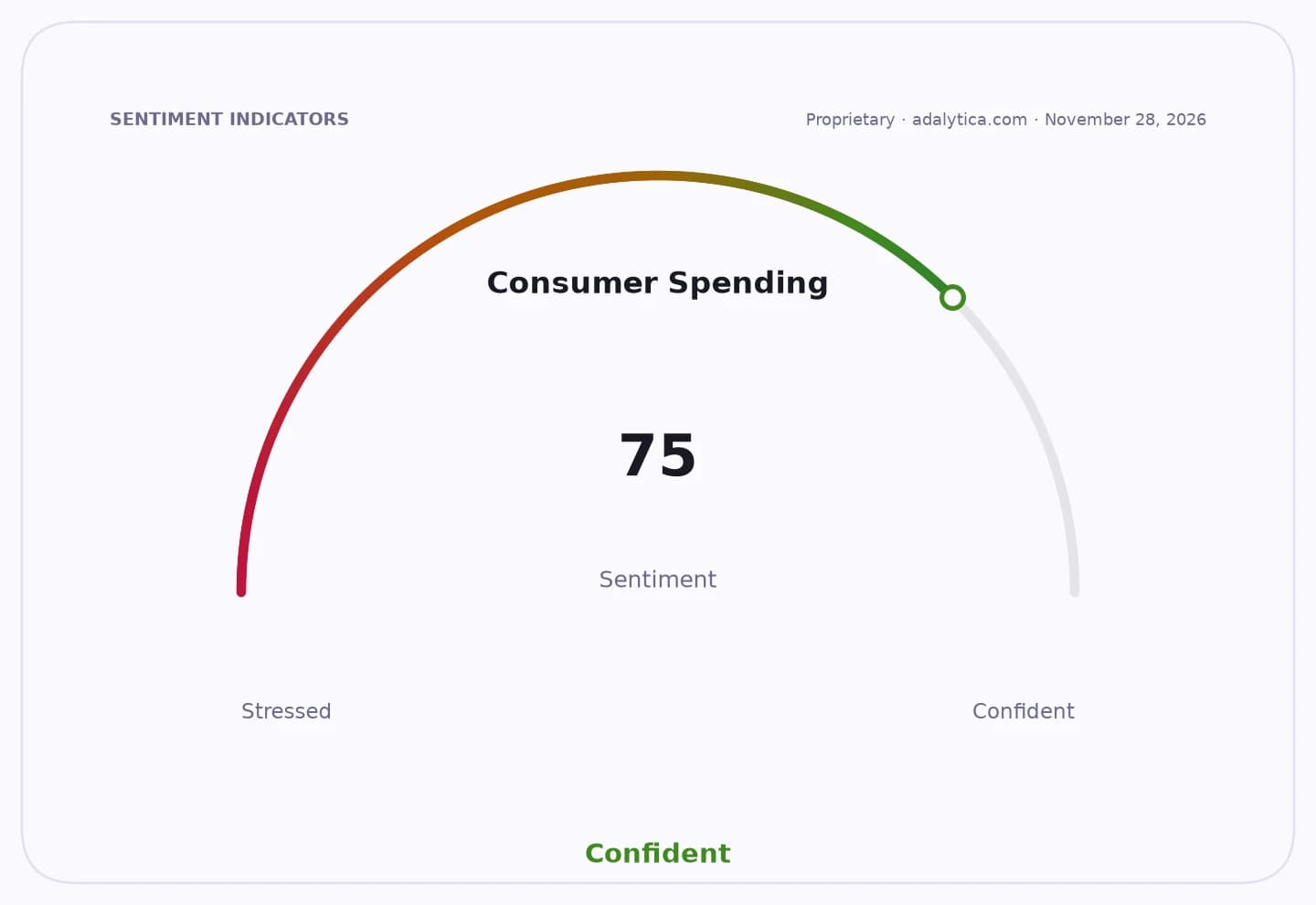
Sentiment Indicators

The Consumer Agency estimates that a single adult aged 25 to 50 who cooks all meals at home will spend 2,760 kronor a month on food in 2027, only 30 kronor more than the 2026 estimate. But the burden climbs sharply as children get older. A teenager aged 15 to 17 is projected to cost 3,090 kronor a month in food, compared with 1,730 kronor for a child aged four to six.
For a two-adult household with children aged four to six and seven to ten, the monthly grocery bill is forecast at 9,410 kronor. Swap in two teenagers and the figure jumps to 11,700 kronor, or 2,290 kronor more each month. Over a year, that is an extra 27,480 kronor — a meaningful hit to disposable income, savings and spending elsewhere.
Consumer Spending
The wider economic significance is straightforward: food inflation is sticky because it reflects costs that are hard to dodge. Matpriskollen expects milk, cheese, coffee and bread to get more expensive next year, citing higher raw material prices and rising energy costs. Sweden’s Riksbank and other policymakers are closely watching these second-round effects because food price increases can keep household inflation expectations elevated even when headline inflation eases.
That matters for investors because it points to a familiar market split between businesses that can pass on costs and those that cannot. Grocers and consumer staples names with scale and pricing power should hold up better than discretionary retailers tied to stretched household budgets. At the same time, higher food bills can crimp demand for nonessential spending, especially among younger families who are already absorbing housing, fuel and mortgage costs.
The stock market is already signaling that consumers are still under pressure. Walmart, often viewed as a barometer for value-seeking shoppers, has rallied sharply and trades well above its 50-day and 200-day moving averages, while Target has also rebounded from earlier weakness. That tells you investors are still hunting for retailers with the ability to capture trade-down spending. In Sweden, the same dynamic should favor supermarket chains, discount formats and packaged-food companies with strong sourcing power.
| Entity | Gains | Losses |
|---|---|---|
| Grocery chains with pricing power | ▲Wider gross margins | ▼Budget-stressed households |
| Food producers with scale | ▲Better pass-through of input costs | ▼Smaller competitors |
| Discount retailers | ▲Trade-down traffic | ▼Premium retailers |
| Families with teenagers | ▲None | ▼Highest monthly food bills |