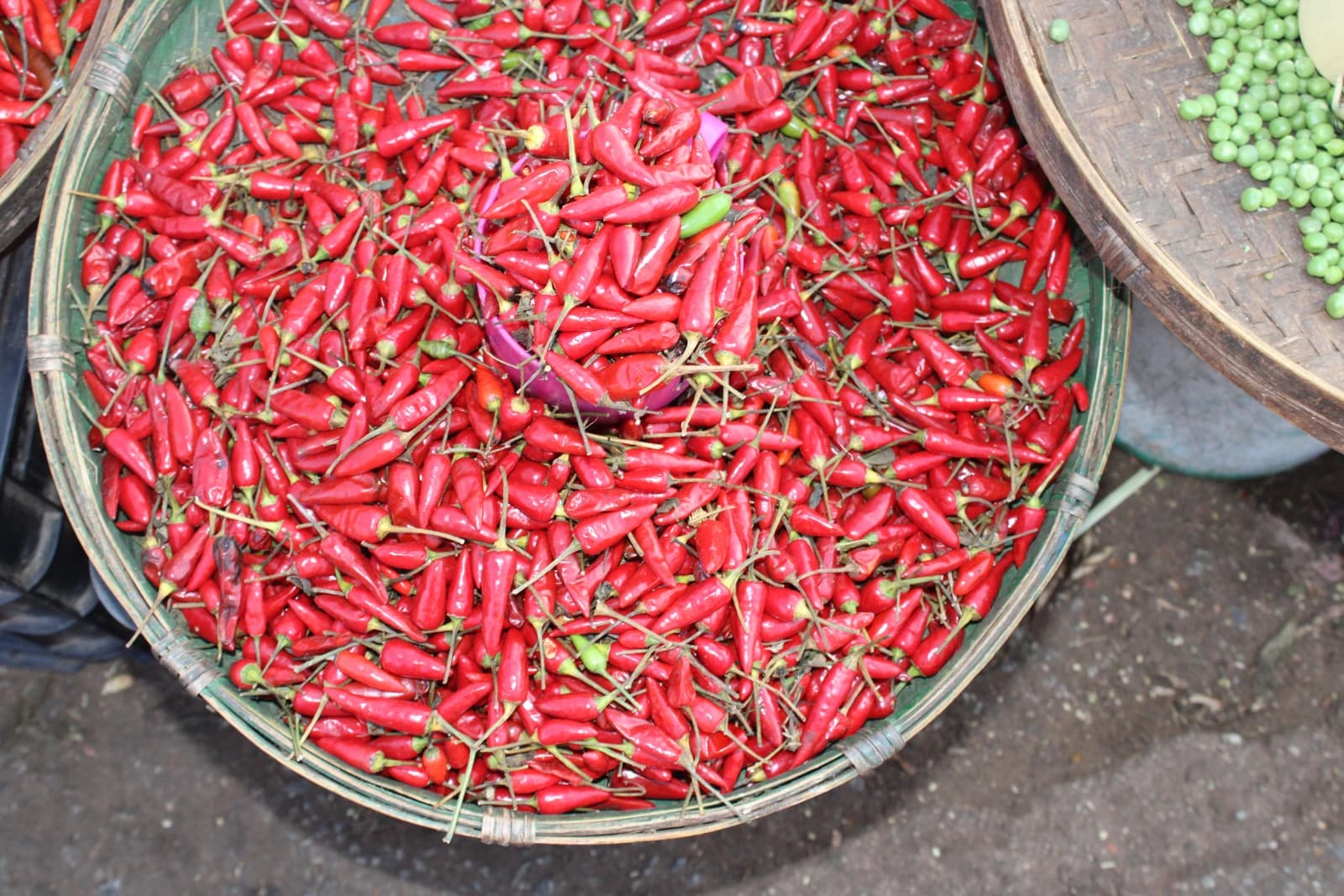
Mumbai households are paying sharply more for kitchen staples as onions more than doubled in price, garlic jumped 61% and ginger rose 48%, forcing families to trim purchases and rework monthly budgets just as food inflation broadens beyond a few seasonal items.
Mumbai households face higher food prices
Food & Groceries
The increase matters because food is still the biggest and most visible expense for lower- and middle-income urban households, and unlike fuel or discretionary goods it cannot be deferred. When everyday ingredients such as onions, garlic, rice and cooking oil all move higher at once, the hit to real purchasing power is immediate and can quickly bleed into wider consumer sentiment. That is especially relevant in a city like Mumbai, where households often buy food daily and have less room to absorb sudden spikes.
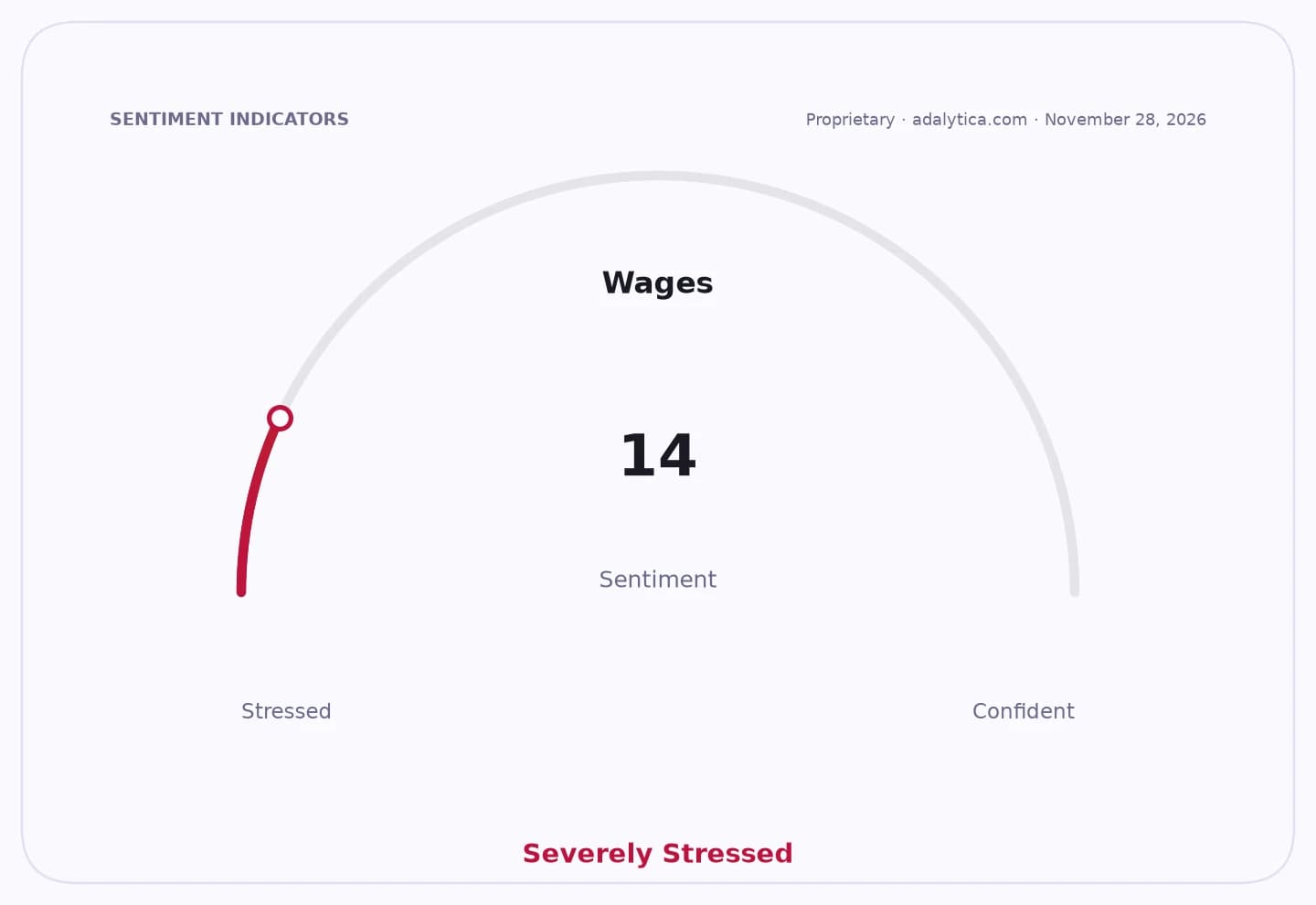
Sentiment Indicators
The latest price data shows the pressure is not confined to one commodity. Onion prices have more than doubled, garlic is up 61%, ginger 48%, while rice and cooking oil are also adding to household bills. The pattern points to a broad food inflation shock rather than a one-off supply disruption. In macro terms, that raises the risk that consumer inflation remains sticky even if some non-food categories cool, complicating the policy outlook for the Reserve Bank of India and keeping pressure on officials to ensure food supply chains function smoothly.
The strain is also showing up in market and sentiment signals. Adalytica’s Food and Grocery Spending Sentiment gauge is at 71, in “Greed” territory, while its CPI snapshot is neutral at 49, suggesting consumers are still highly alert to price rises even if the broader inflation reading is not yet flashing panic. Conventional price indicators for global grains and oils are mixed: wheat futures have cooled from recent highs and corn is below its 50-day and 200-day moving averages, but that does little to offset local supply shortages in perishables and imported edible oils. Crude oil, meanwhile, remains volatile, and that matters because transport costs can quickly feed through into retail food prices.
For investors, the immediate read-through is to food retailers, packaged-food makers and restaurant operators that face a tougher environment for volumes and margins. Households under pressure tend to trade down to cheaper brands, cut non-essential purchases and buy smaller quantities, which can compress basket sizes even when nominal sales rise. The beneficiaries are limited: farmers and traders with inventory in short supply may see higher realizations, but consumers and downstream sellers bear the brunt if elevated prices persist.
The broader narrative is that India’s food inflation problem is again becoming a household story, not just a statistic. If vegetable and staple prices stay elevated into the next few prints, it could slow discretionary spending, keep headline inflation under scrutiny and force a stronger policy response on storage, logistics and market intervention. For now, Mumbai families are doing what they always do when groceries get expensive: buying less, substituting more, and waiting for the kitchen budget to come back into line.
| Entity | Gains | Losses |
|---|---|---|
| Farmers and traders | ▲Higher realizations | ▼Consumers pay more |
| Urban households | ▲Some substitution options | ▼Higher monthly food bills |
| Food retailers | ▲Nominal sales lift | ▼Volume pressure, downtrading |
| Policymakers | ▲Incentive to act on supply chains | ▼Greater inflation scrutiny |