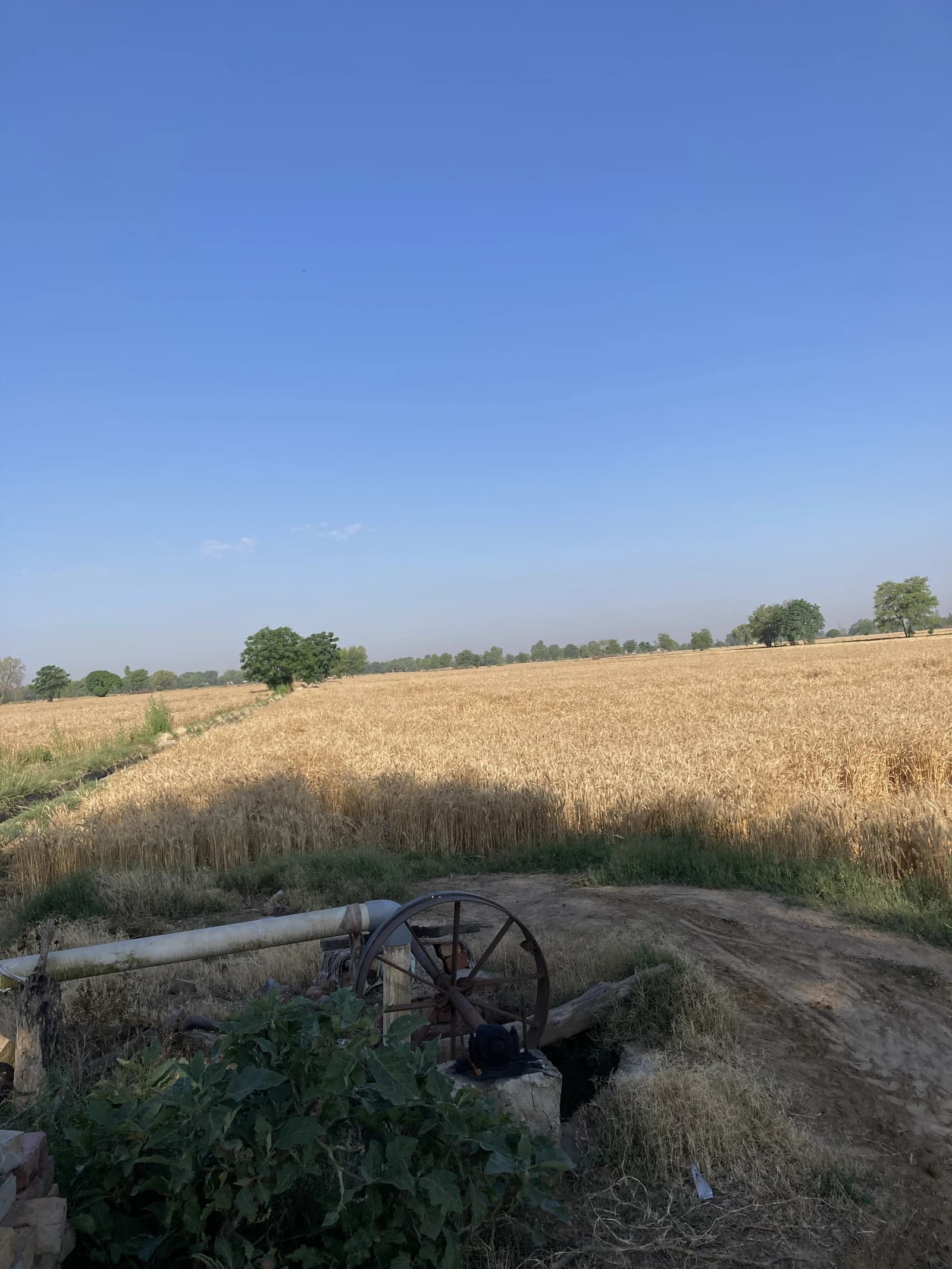
Flour has risen to as much as 180 rupees a kilogram in parts of Punjab, turning a basic staple into a luxury for daily-wage workers and salaried households already squeezed by unemployment, utility bills and persistent inflation.
Punjab flour prices hit 180 rupees a kilogram
Wages
The surge matters because bread is the most immediate transmission channel from inflation to social stress. When a core food item moves outside the reach of low- and middle-income consumers, spending is cut elsewhere, arrears rise and pressure builds on local authorities to intervene. In Mureedke and surrounding markets, residents said flour was being sold far above official rates, with weak enforcement allowing mill owners, hoarders and retailers to set their own prices.
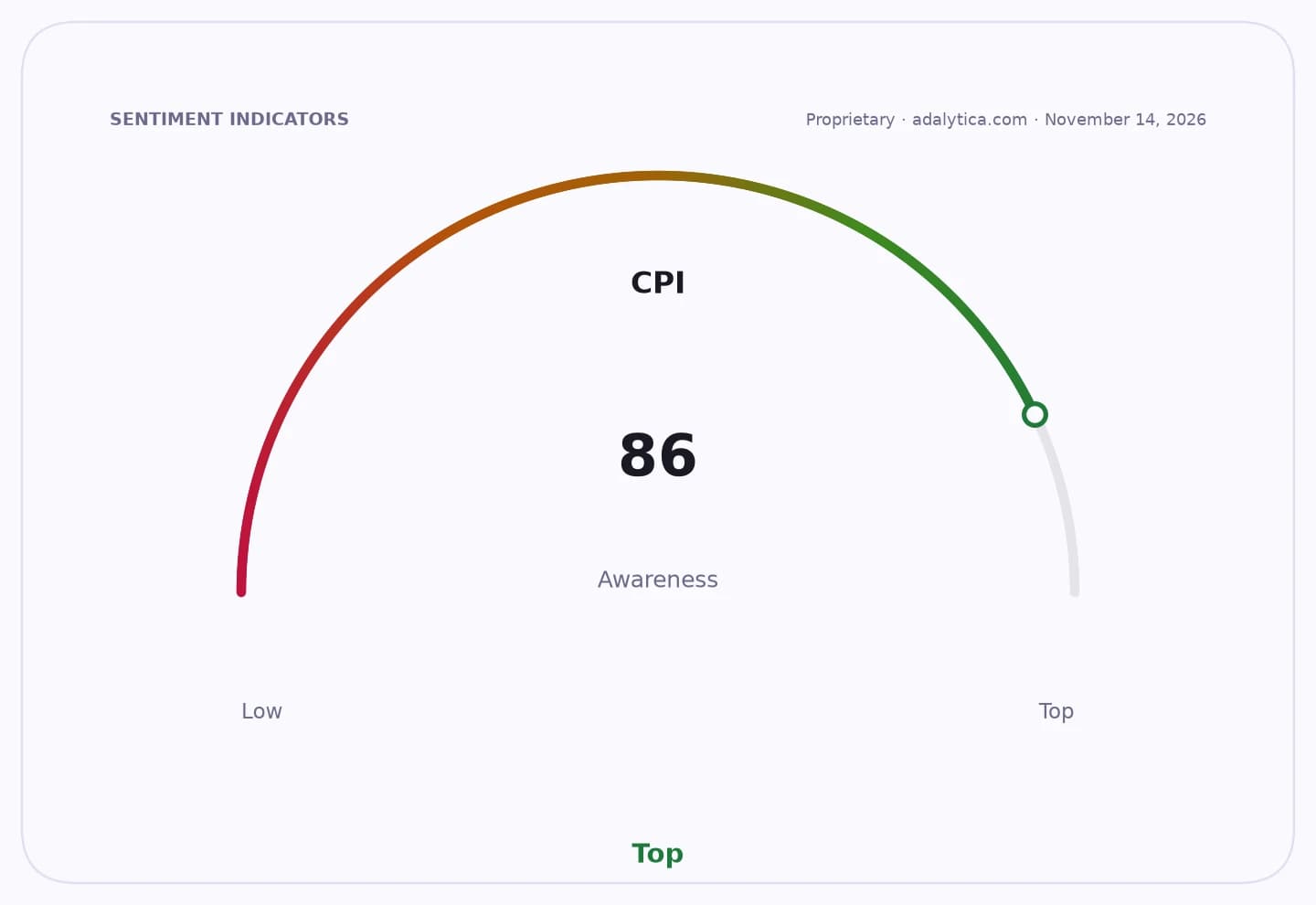
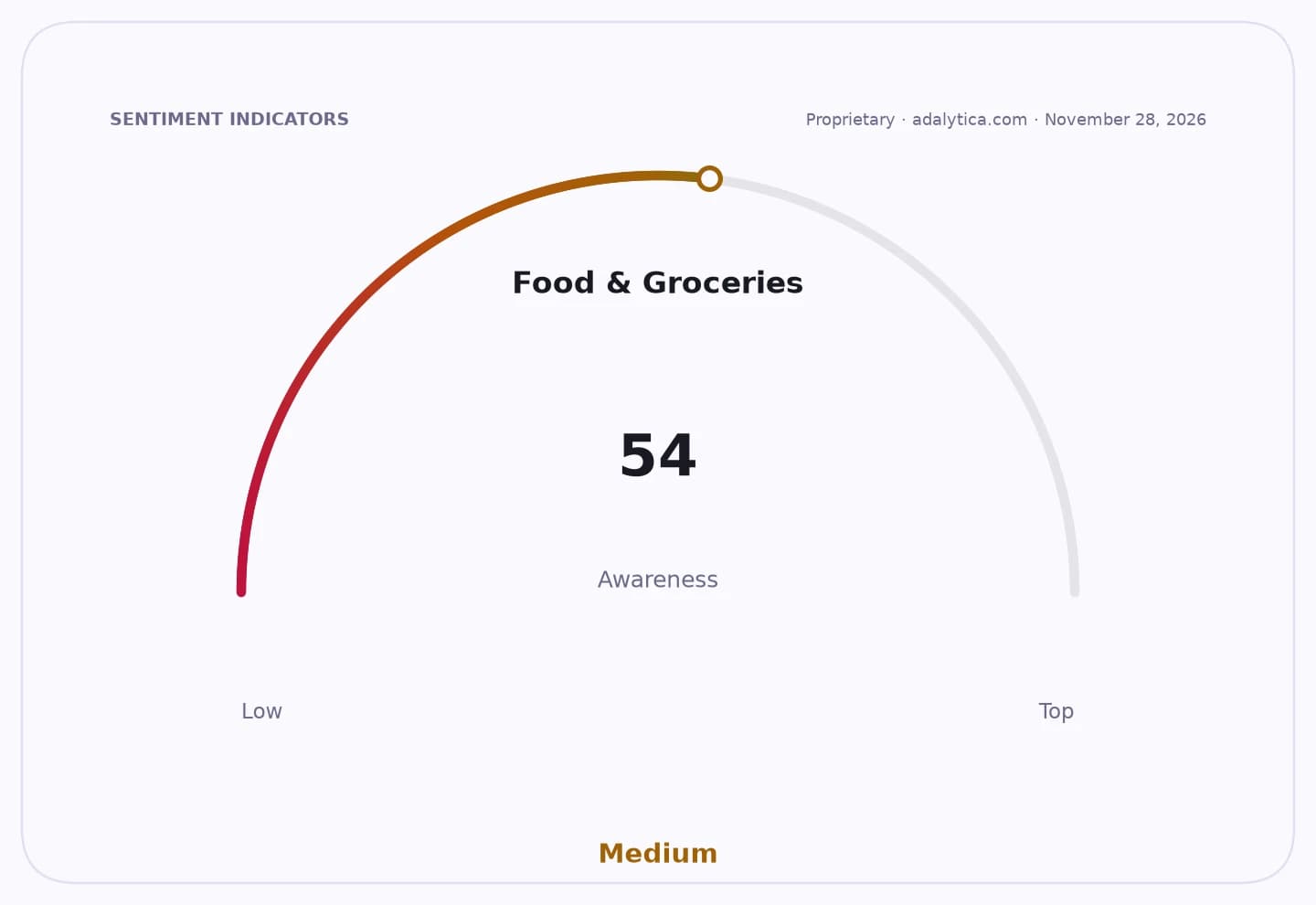
Sentiment Indicators
That is economically significant beyond the immediate pain at the checkout. Higher staple-food prices erode real wages, deepen household food insecurity and can feed broader inflation expectations. In a country where food carries heavy weight in consumer baskets, even localized shortages or markups can quickly affect sentiment, wage demands and political pressure on provincial administrations.
The data context points to the same risk. Global food inflation has remained elevated amid supply disruptions, conflict and climate stress, and investors have been watching the commodity complex for spillovers into domestic pricing. Wheat-linked products have been volatile, while U.S. wheat and corn prices have recently traded below their spring peaks, suggesting the problem in this case is less about a global supply shock than distribution, hoarding and pricing discipline at the local level.
That distinction matters for investors and policymakers. If the issue is weak enforcement and market distortion, the remedy is administrative rather than monetary, involving crackdowns on hoarding, tighter price monitoring and better access to subsidized flour. If it spreads, however, it can still become macro-relevant by lifting food inflation, worsening real income pressure and complicating any effort to stabilize expectations.
For consumers, the bull case is simple: stronger enforcement and restored supplies could quickly ease street prices. The bear case is that continued pass-through from fuel, power and logistics costs, combined with poor supervision, keeps staple prices elevated even if wholesale conditions improve. The next test is whether Punjab authorities can force shops back to official price lists and restore acceptable quality at controlled rates.
| Entity | Gains | Losses |
|---|---|---|
| Flour mill owners | ▲Higher margins | ▼Greater scrutiny |
| Retail traders/hoarders | ▲Short-term pricing power | ▼Crackdown risk |
| Low-income households | ▲— | ▼Food security |
| Punjab authorities | ▲Chance to restore control | ▼Credibility if inaction continues |