Pakistan’s move to lift its wheat import ceiling to 2.5 million tonnes is the key market catalyst, because it underlines how quickly a staple-food squeeze can turn into a broader inflation problem and a tradable grain story. For consumers, the goal is straightforward: cool flour prices before they feed into wider food inflation. For investors, it sharpens the case that wheat demand will stay supported even as global futures have already retreated from recent highs.
Pakistan raises wheat import ceiling to 2.5 million tonnes
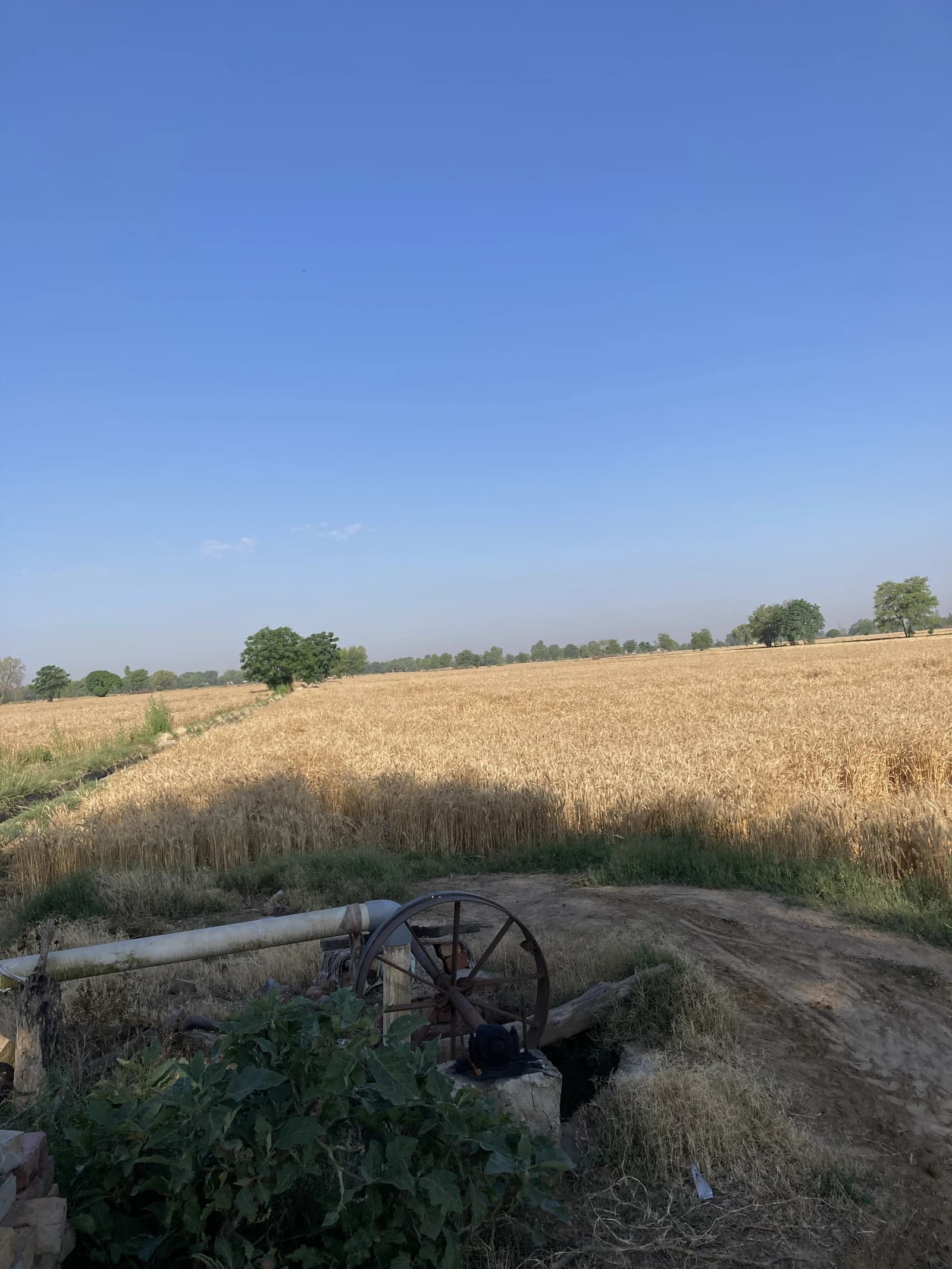
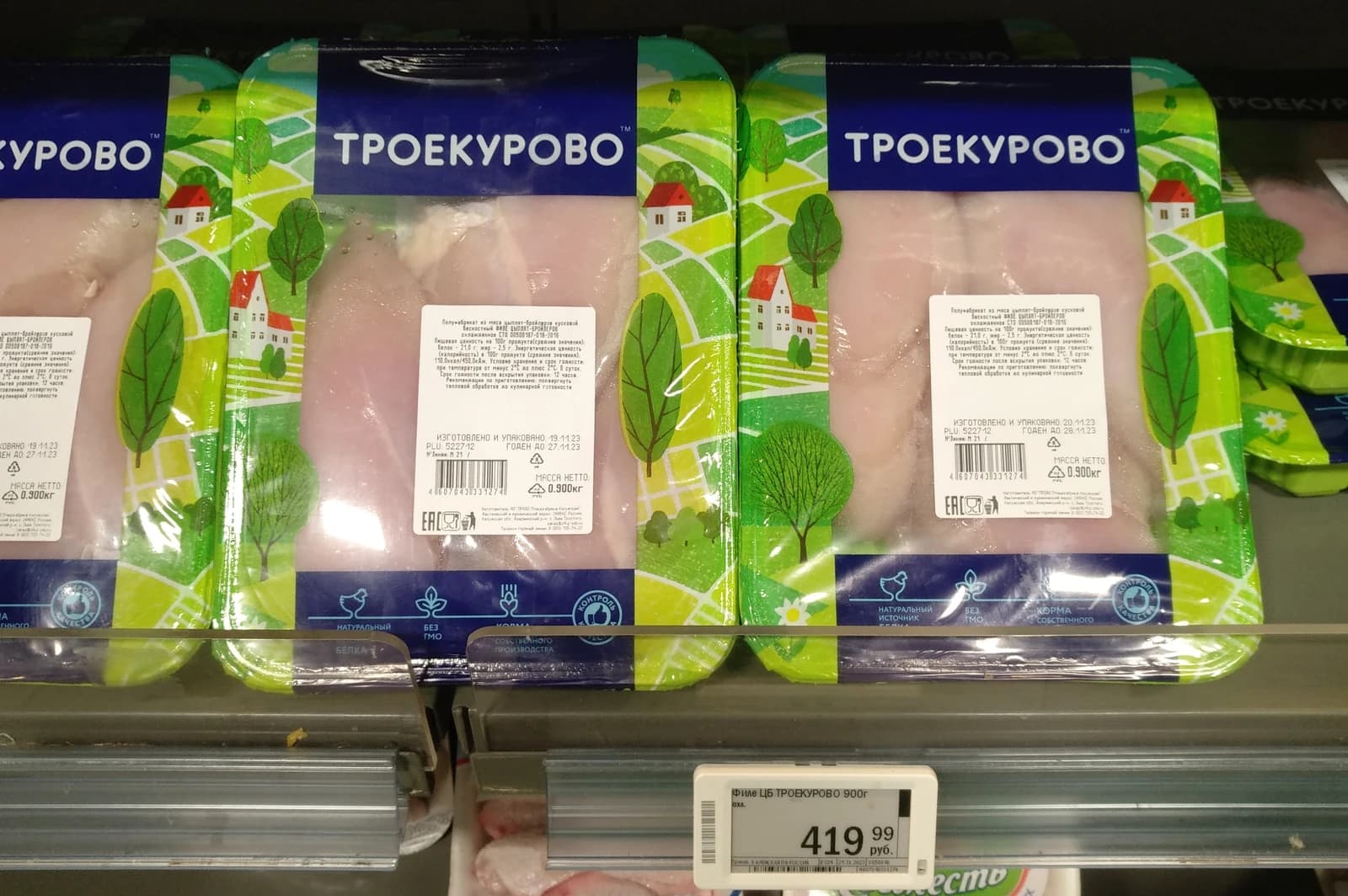
The timing matters. Local market chatter in Haryana’s Rewari — where A-grade wheat was being sought at about ₹28 a kilogram — points to persistent firmness in spot prices across the region, even as import policy is loosened to relieve pressure. That comes against a backdrop of delayed sowing in India from weak soil moisture and supply disruptions tied to Russian export flows, both of which have kept wheat availability tight and price volatility elevated.
Sentiment Indicators
In the futures market, the message is mixed but still constructive for bulls. The WEAT wheat ETF closed at $21.49 on Nov. 27, roughly in line with its 50-day average but below its 200-day average of about $23.64, suggesting the trend has cooled after a sharp summer run. The RSI has eased to the mid-40s and the MACD remains negative, which tells traders momentum is no longer stretched. But that is exactly what can create opportunity: policy-driven demand is arriving into a market that has already pulled back from overbought levels.
Corn is telling a similar, but not identical, story. The CORN ETF has slipped to $17.47, just under both its 50-day and 200-day moving averages, while RSI has recovered from oversold territory. That matters because grain markets do not move in isolation. If wheat stays firm on import demand and weather-related supply risks, feed grains can catch a secondary bid as buyers look to substitute, hedge, or rebuild inventories.
The bigger macro point is inflation. U.S. data in the context show consumer prices still elevated at an index level of 337.476 in October, with the producer price index near 293.921 and personal consumption expenditures at 22,562.2. Food remains one of the fastest channels through which commodity shocks reach households. That is why governments move early on imports, and why grain traders, food processors and packaged-food makers watch policy shifts so closely: staple inflation can change pricing power, margin guidance and volume demand in a single quarter.
The likely beneficiaries are grain exporters, merchants and logistics players that can move wheat into deficit markets. The losers are domestic buyers facing tighter budgets, flour mills dependent on costly spot supply, and policymakers trying to stop food inflation from becoming a broader political issue. Our view is that the market still underestimates how persistent this wheat bid can be if weather, geopolitics and policy all lean the same way.
For investors, the actionable takeaway is simple: treat wheat as a tactical inflation hedge, but keep a close eye on the second-order winners in ag shipping, grain handling and food ingredients. The next catalyst will be whether import volumes actually ramp fast enough to stabilize prices — or whether this is only the first of several policy moves needed to tame the shortage.
| Entity | Gains | Losses |
|---|---|---|
| Wheat exporters | ▲Higher import demand | ▼ |
| Grain traders/logistics | ▲More cargo flows | ▼ |
| Pakistani consumers | ▲Possible price relief | ▼ |
| Domestic mills/farm buyers | ▲ | ▼Higher input costs |