China’s first batch of active exchange-traded funds drew about 150 billion yuan on launch day, with three products hitting their 20 billion yuan fundraising caps within hours, underscoring strong demand for a new wrapper that blends stock-picking with the low-cost trading features of ETFs.
China active ETFs draw 150 billion yuan on launch

The rush matters because it gives China’s mutual fund industry a new growth lane at a time when managers are looking for products that can attract incremental money and compete for long-term household and institutional assets. If the full first wave of 18 funds reaches their caps, they could bring in as much as 360 billion yuan, a meaningful injection for a market that has been short on fresh capital.
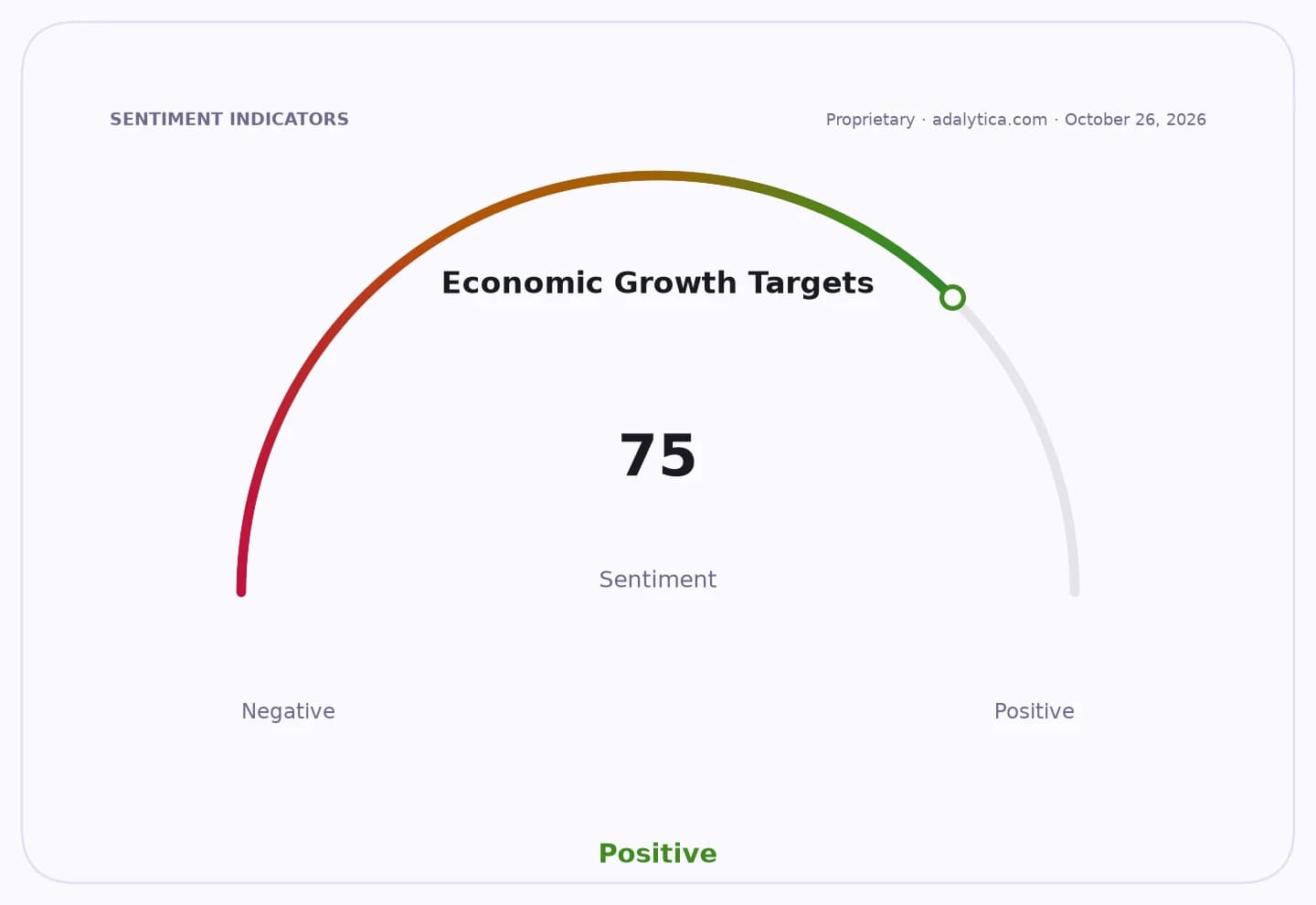
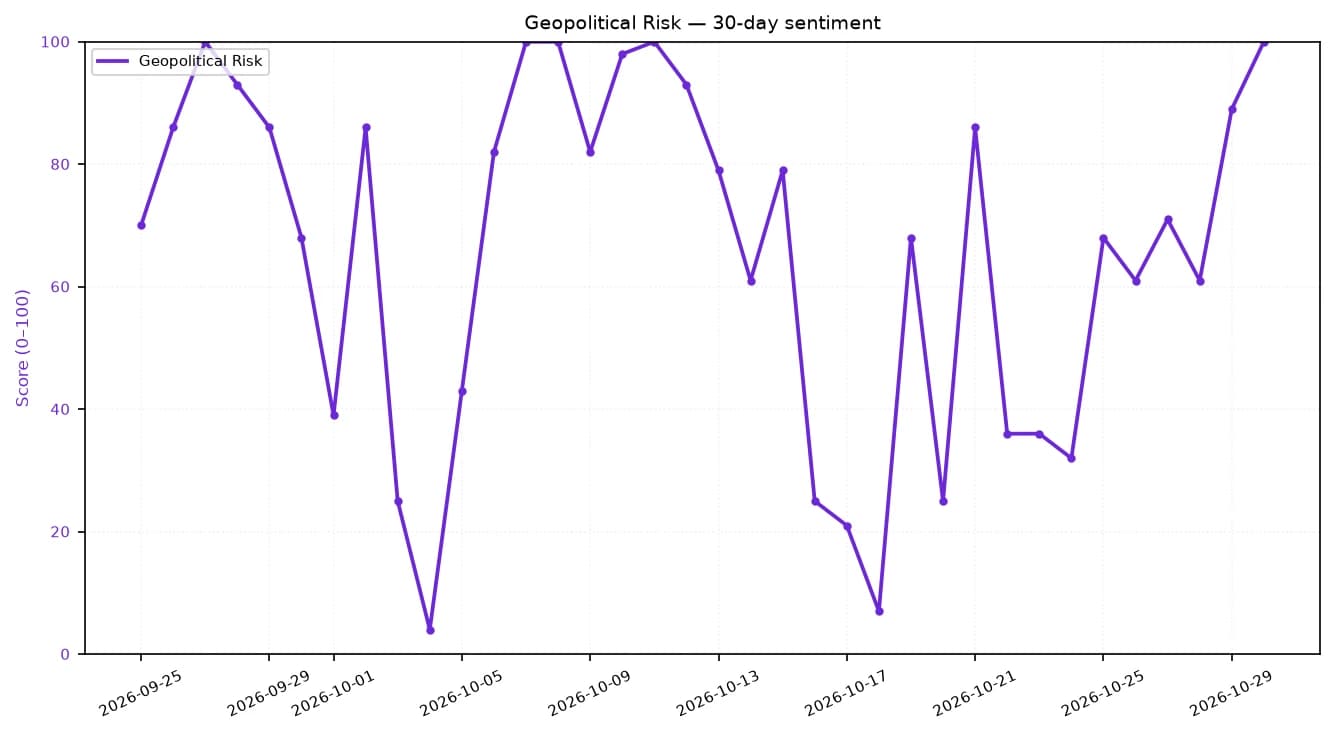
Sentiment Indicators

The three funds that sold out on the first day were Morgan’s large-cap growth active stock ETF, E Fund’s quality-balanced active ETF and Fullgoal’s value-selective quantitative active ETF. E Fund and Morgan reached their limits by about 2:20 p.m., and the first-day tally came even before the products had finished their full sales window.
Behind the launch, fund houses and their shareholders pledged roughly 1.5 billion yuan of their own money to buy the ETFs, a move aimed at signaling confidence and aligning interests with investors. Distributor firepower also proved critical, with brokerage channels accounting for about 13 billion yuan of sales on day one, led by China Galaxy Securities and Guotai Haitong Securities.

The debut is a policy milestone as much as a fundraising event. China’s securities regulator approved the first 18 active ETFs on Oct. 19, opening the door to a product that could eventually sit between traditional active mutual funds and plain-vanilla index ETFs.
For investors, the new structure offers a cheaper, more transparent way to access active management, with fees set at 1% and custody charges of 0.1% to 0.15%. That is below many conventional active equity funds but still above broad index ETFs, reflecting both the promise of stock-picking and the discipline of ETF mechanics.
The launch also fits a broader push to channel more long-term money into domestic equities, including insurance and pension assets. In market terms, active ETFs could become a new source of demand for A-shares while giving fund managers a product that can scale faster than many traditional open-end funds.
The next test is whether the early frenzy translates into durable assets after the launch window closes. If the first 18 products keep gathering money and secondary-market liquidity holds up, China could be on the cusp of a new ETF category that changes how active stock selection is sold to retail and institutional investors alike.
| Entity | Gains | Losses |
|---|---|---|
| Active ETF issuers | ▲New product line, fresh inflows | ▼Higher performance scrutiny |
| Brokerage distributors | ▲Sales commissions, asset gathering | ▼Pressure to keep momentum |
| Investors | ▲Lower-cost active access | ▼Market and drawdown risk |
| Traditional active funds | ▲Possible product innovation spillover | ▼Risk of asset cannibalization |