China’s effort to build AI-ready talent is becoming an economic necessity, not just an education reform, as tighter U.S. technology restrictions raise the stakes for who can design, train and commercialize the next generation of artificial intelligence.
China AI talent push gains urgency amid U.S. curbs
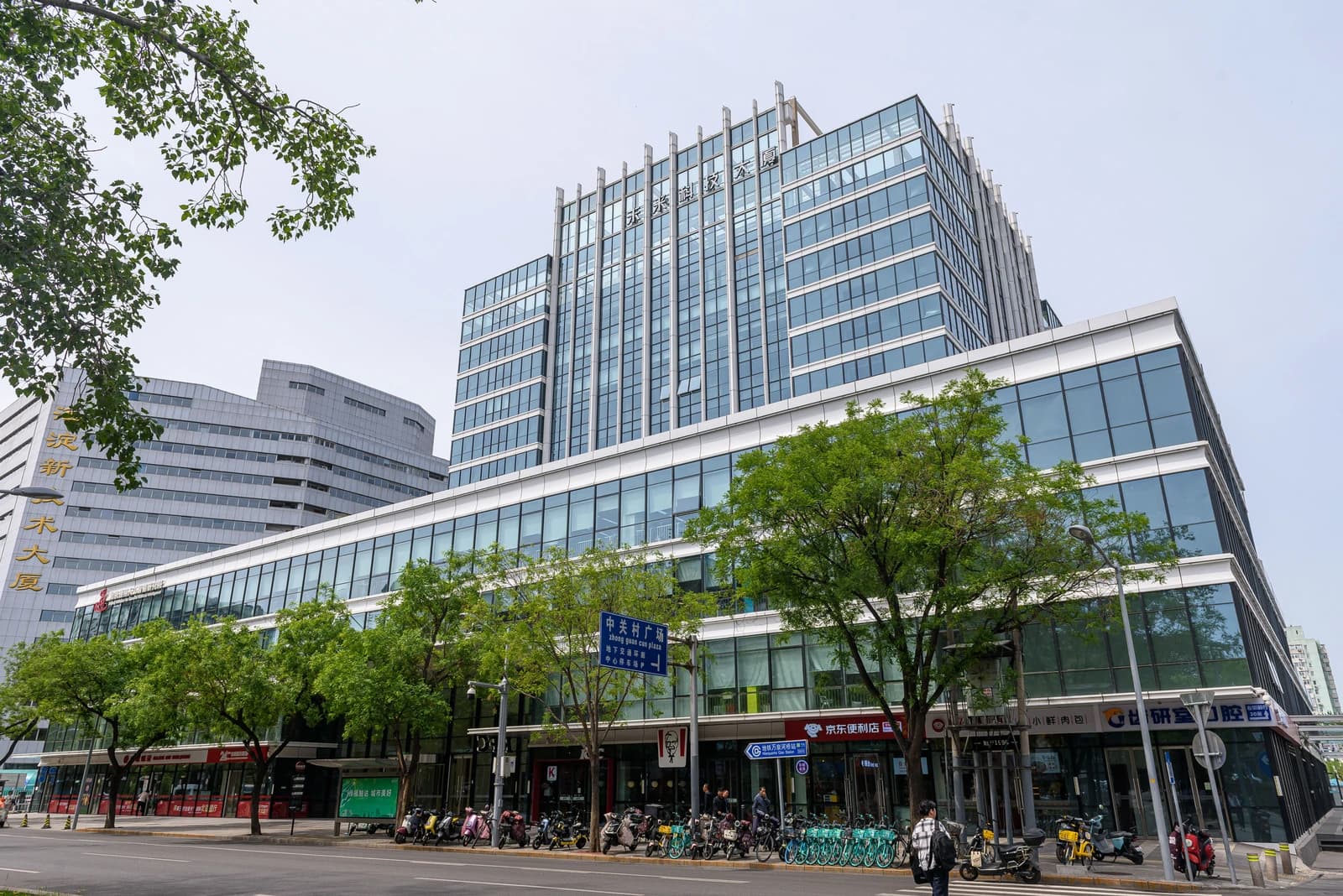
That is the deeper message behind a recent forum in Beijing hosted by the University of Hong Kong, where scholars and industry executives argued that China needs a new approach to talent development if it wants to stay competitive in the AI era. The debate matters because AI is no longer a niche research field; it is quickly becoming a general-purpose technology that will shape productivity, wages, company margins and national competitiveness.
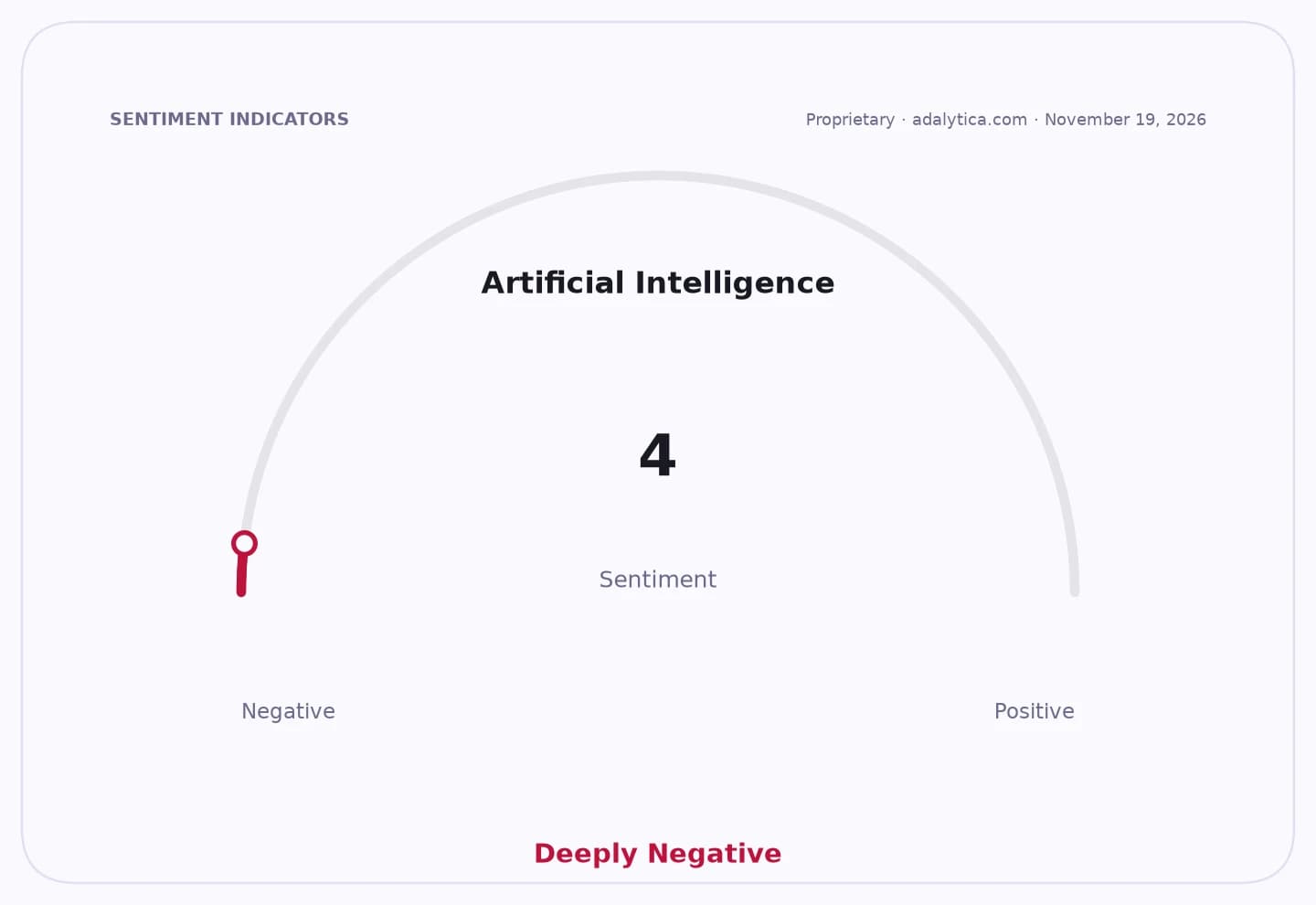
Sentiment Indicators
The timing is especially important. Washington has intensified efforts to limit China’s access to advanced U.S. AI technology, including restrictions on the export and remote use of American-approved AI chips. That leaves China under pressure to cultivate more engineers, researchers and product leaders at home, rather than relying on imported tools and external know-how.
China also has the labor-market scale to make the issue unavoidable. Official figures show 12.7 million college graduates are expected to enter the workforce this year, and many of them will need skills that fit a more automated economy. Traditional roles are shrinking while demand rises for workers who can combine technical depth with judgment, creativity and the ability to work across disciplines.
That is why the forum’s message was less about adding more courses than about changing how China educates people. Wang Yang, HKU’s vice-president, said the country’s long-standing strength in mathematics, physics and languages gives it a foundation for the AI age, but only if students develop stronger critical thinking and decision-making. Tan Jianrong of the Chinese Academy of Engineering said employers increasingly want interdisciplinary talent for fields such as robotics and embodied AI, where mechanical engineering, software and data skills overlap.
For investors, the implications extend well beyond universities. A country that can train AI talent at scale is better positioned to turn research into products, support domestic cloud and robotics champions, and reduce dependence on foreign technology. That can strengthen earnings power across the ecosystem, from platform companies to industrial automation and enterprise software.
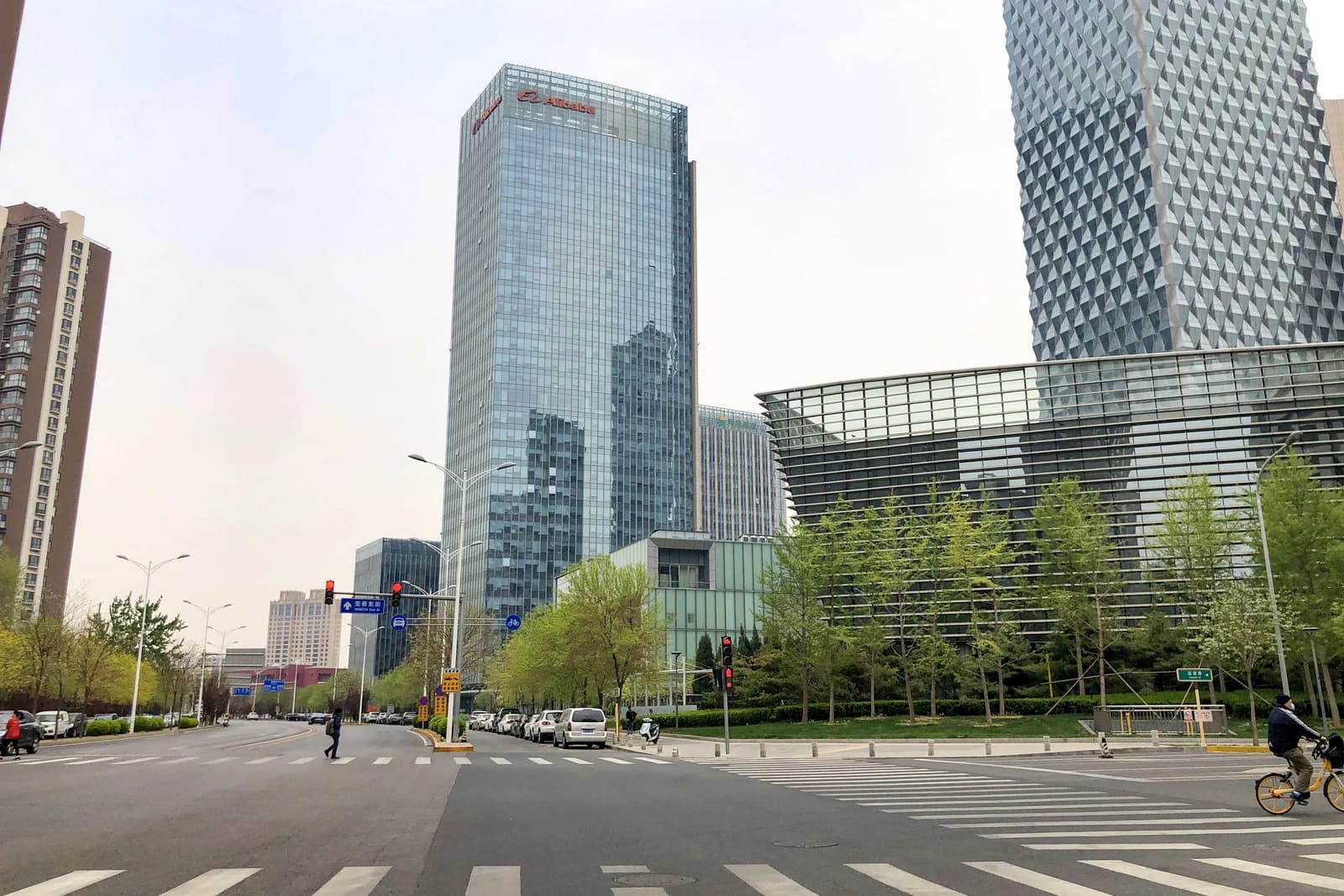
It also helps explain why large Chinese tech groups keep leaning into AI even as the policy backdrop gets tougher. Companies such as Alibaba, Baidu and Tencent are competing not only on models and infrastructure, but on whether they can attract and retain the people capable of building applications that matter to businesses and consumers. In a sector where execution often matters more than headlines, talent is becoming one of the few durable moats.
Still, the challenge is not simply to produce more graduates. The experts at the forum stressed that universities must streamline overloaded curricula and teach students how to learn independently, question assumptions and spot flaws in existing research. That is a meaningful shift for an economy that has historically rewarded memorization and exam performance more than original problem-solving.
China’s 15th Five-Year Plan draft is pointing in the same direction, calling for deeper coordination among education, science and technology, and talent development. If those reforms are implemented well, they could help China absorb AI faster across the economy and offset some of the drag from technology controls abroad.
For long-term investors, the takeaway is straightforward: the AI race is increasingly a talent race. The companies and sectors that benefit will be those able to turn skilled people into scalable products and profits. That makes China’s education overhaul worth watching closely over the next several years, especially for anyone looking at the country’s tech leaders, automation plays and broader innovation economy.
| Entity | Gains | Losses |
|---|---|---|
| China’s AI ecosystem | ▲More capable domestic talent pipeline | ▼Less reliance on foreign know-how |
| U.S. tech restrictions | ▲National-security goals | ▼Chinese access to advanced chips |
| Chinese universities | ▲Greater relevance in AI training | ▼Old memorization-heavy model |
| Big Chinese tech firms | ▲Stronger hiring pool | ▼Higher competition for top talent |