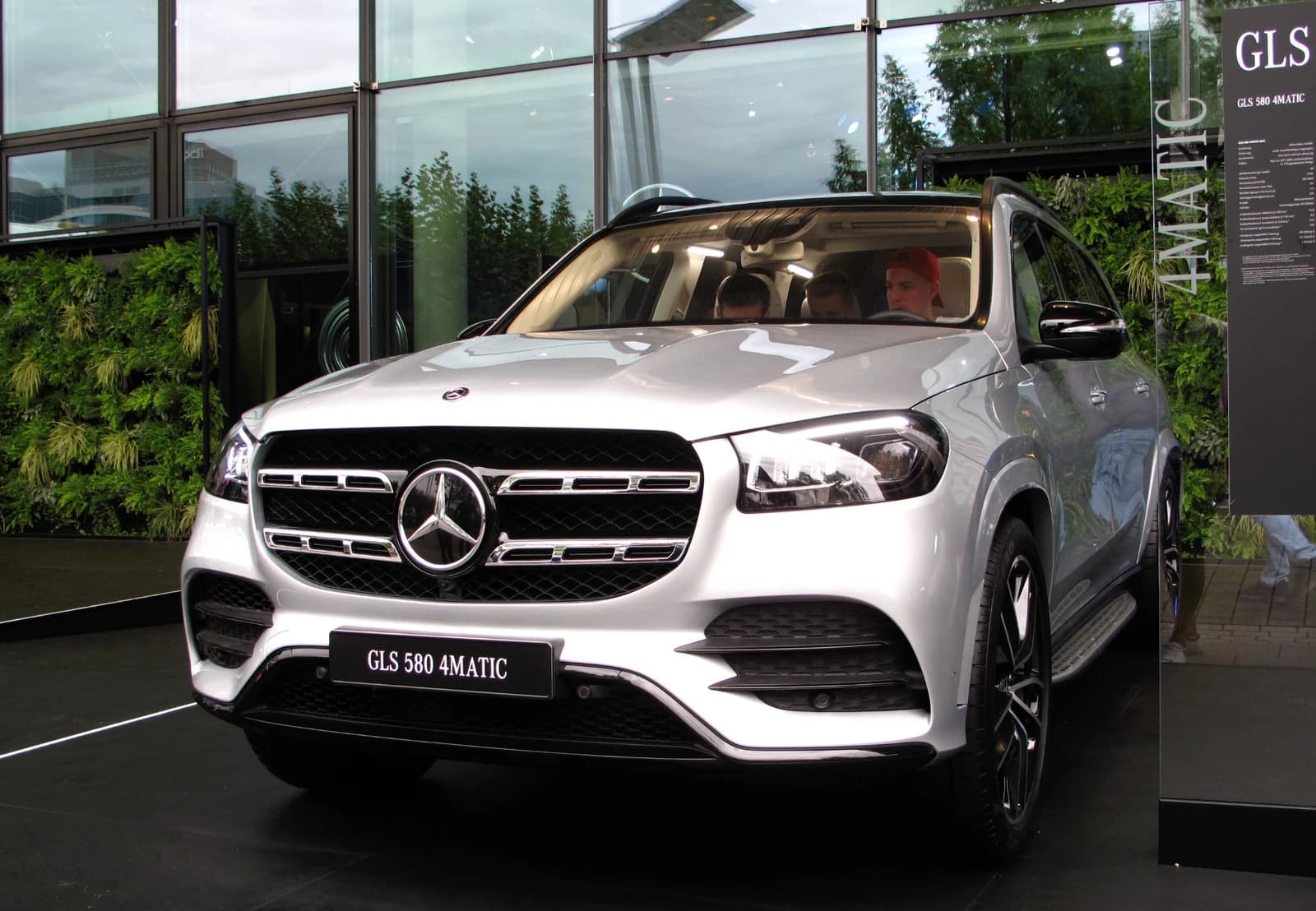
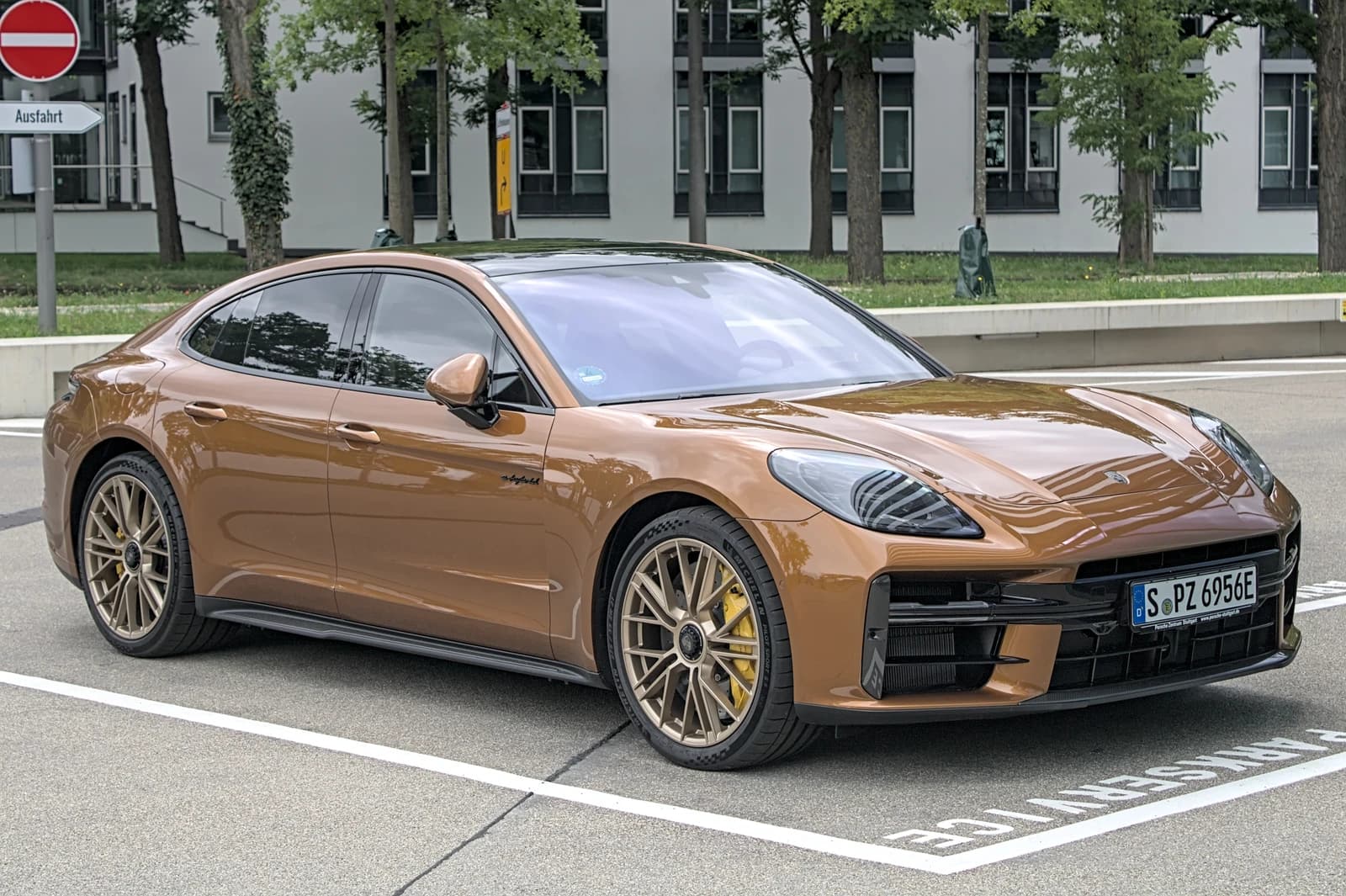
China’s move to curb aggressive discounting by its automakers in overseas markets is set to reshape pricing for imported cars in key markets, including Pakistan, where Toyota, BMW and Mercedes-Benz models are already trading at elevated levels.
China curbs auto discounting abroad, lifting import prices

The ban matters because price wars have been one of the main tools Chinese automakers used to win share abroad, particularly in electric vehicles. If that pressure eases, global automakers may face less deflation in showroom pricing, while consumers in import-dependent markets could see higher or stickier sticker prices across a broad range of vehicles from entry-level Toyota sedans to premium German SUVs and sports cars.
Sentiment IndicatorsⓘProprietary · adalytica.com · September 4, 2026
This is a snapshot — live sentiment, awareness and momentum for 130+ markets update continuously in the dashboard.Open AlphaPulse
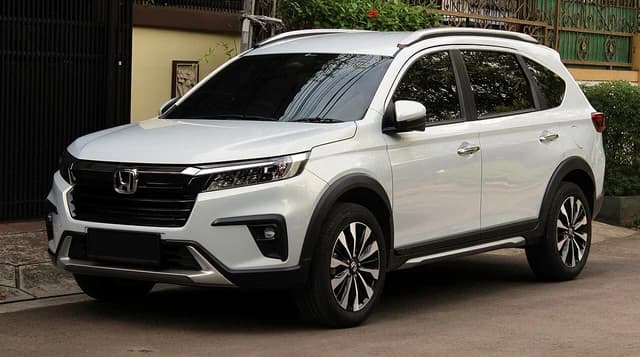
That is especially relevant in markets already sensitive to fuel and import costs. Pakistan’s price list shows a Toyota Corolla at PKR 6.169 million, a Hilux at PKR 16.149 million and a Land Cruiser at PKR 156.829 million, underscoring how currency weakness, duties and supply conditions can magnify even small changes in global pricing strategy.
For investors, the development is a read-through for automakers with exposure to international competition and for auto importers that depend on price-led demand. BMW’s U.S.-listed shares have been volatile, and the stock closed at $24.32 on Sept. 4, rebounding from a March low near $27 in the data set, while its 50-day moving average remains below the 200-day average, a sign the broader trend is still fragile. The latest price action suggests traders are still weighing margin protection against volume growth.
The broader backdrop is one of tightening pricing discipline and higher operating costs, with diesel and other fuel expenses already pressuring consumers. If Chinese manufacturers step back from overseas discounting, global rivals could regain some pricing power, but buyers may have less room to negotiate, keeping auto demand under strain in cost-sensitive markets.
The next catalyst is whether the policy produces a measurable slowdown in export discounts or prompts rival automakers to defend market share with their own incentives, setting up another round of margin pressure versus volume trade-offs.
| Entity | Gains | Losses |
|---|---|---|
| Global automakers | ▲Better pricing discipline | ▼Less room for volume-driven growth |
| Chinese carmakers | ▲Reduced price-war losses | ▼Easier share gains abroad |
| Import-dependent buyers | ▲Potential stability in supply | ▼Higher sticker prices |
| Toyota, BMW, Mercedes-Benz | ▲Margin support | ▼Discount-led demand competition |