China’s growing reliance on Brazilian soybeans is keeping a floor under global prices and leaving tofu and tempeh producers with little relief, even as U.S. weather worries push corn and soybean futures higher. June trade data showed China cut U.S. soybean imports by 21% while boosting purchases from Brazil by 14%, reinforcing Brazil’s grip on the world’s biggest soybean market and extending the squeeze on food makers that depend on steady, affordable bean supplies.
China’s Brazil Soy Demand Keeps Prices Firm
The shift matters because soybeans are the core input for tofu, tempeh, soy milk and livestock feed, so every move in the trade balance quickly filters through to food inflation and industrial margins. When China leans harder on Brazil, it tightens competition for exportable supplies and reduces the chance of a price break for smaller processors that buy on the margin rather than through long-term hedges.
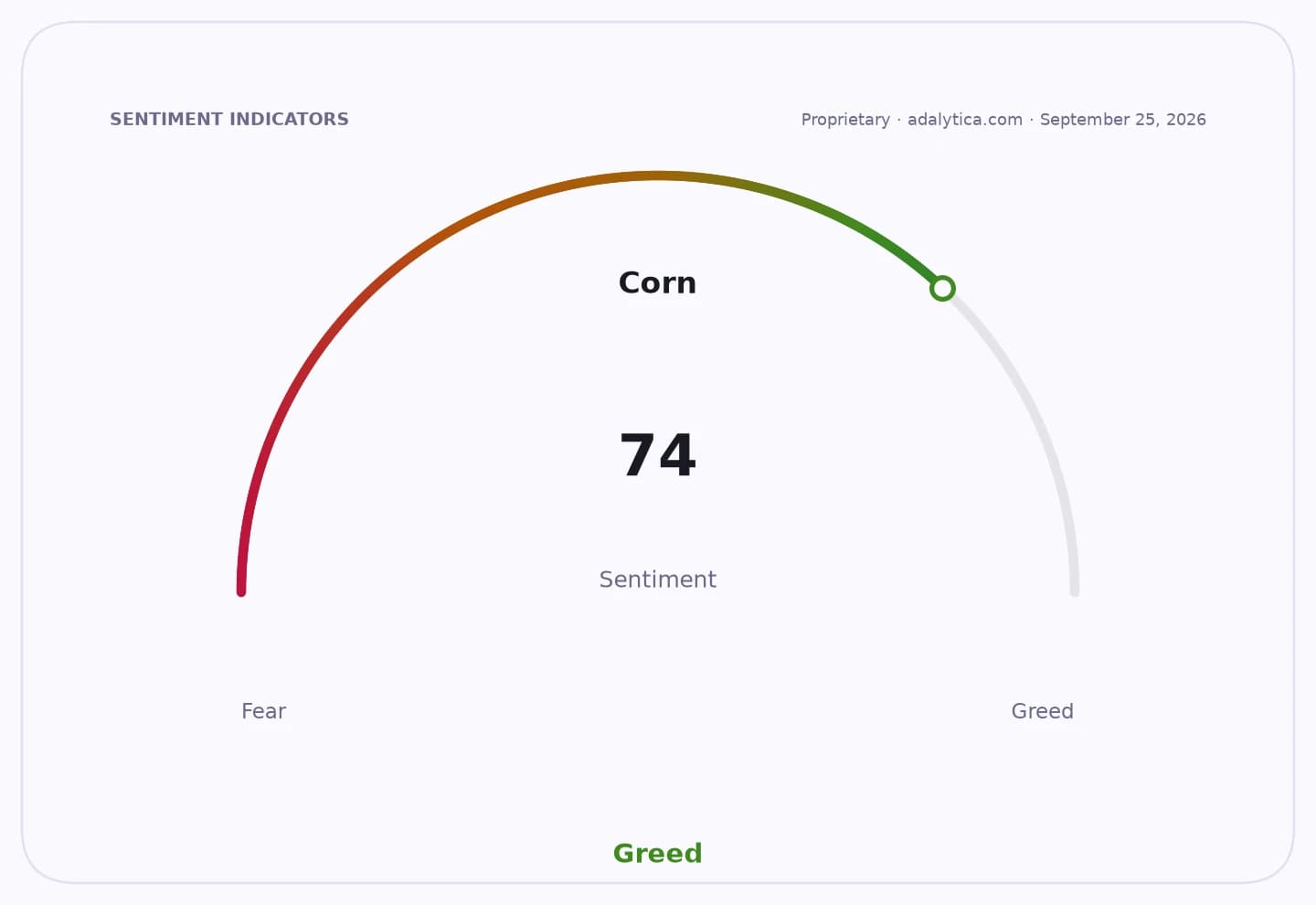
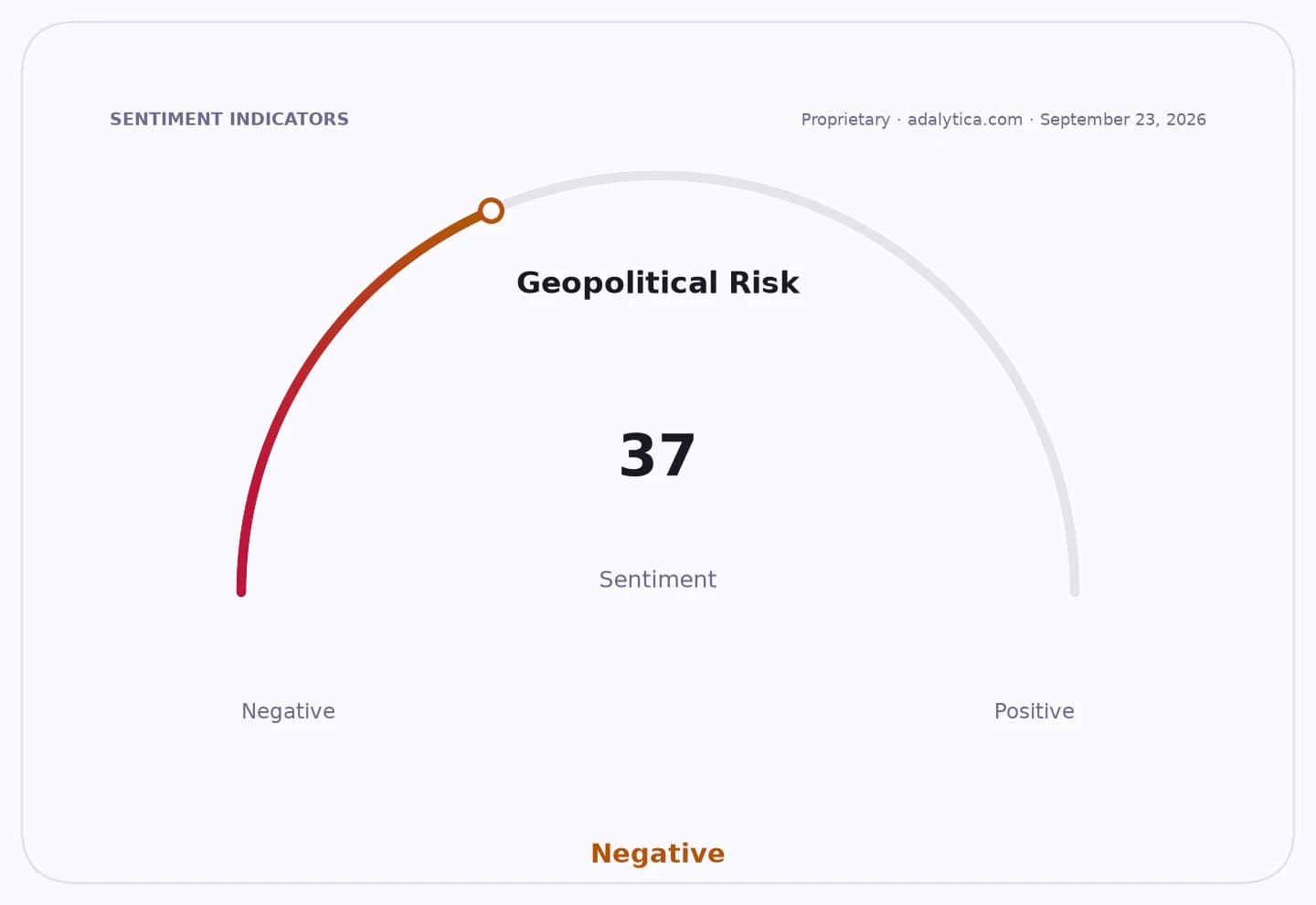
Sentiment IndicatorsⓘProprietary · adalytica.com · July 22, 2026
This is a snapshot — live sentiment, awareness and momentum for 130+ markets update continuously in the dashboard.Open AlphaPulse
Soybean futures on the U.S. market have reflected that tension. SOYB, the Teucrium soybean fund, has climbed to $25.85 from $24.09 on June 24 and is trading well above its 50-day moving average of $24.82 and 200-day average of $23.62, while RSI readings near 77 point to an overbought tape. Nearby soybean futures have also advanced to 1,228.75 from 1,108.75 in late June, with strong momentum and prices sitting far above the 50-day and 200-day averages.
For processors and packaged-food makers, the policy backdrop cuts both ways. Brazil’s export surge to China improves earnings for growers and traders there, but it can keep raw-material costs elevated for companies such as Archer-Daniels-Midland, which said in its latest filing that ag and oilseed results are sensitive to commodity timing and market factors. The same dynamic also matters for buyers from food groups to animal-feed users, which face the risk of paying more while inventories rebuild around a less predictable trade flow.
The broader narrative is that soybean subsidies and state-backed demand programs are helping keep the market tight at the same time weather risk is supporting futures. That combination leaves tofu and tempeh makers exposed to higher input costs for longer, and the next catalyst is likely to be another China import report, U.S. crop-weather update or any move in Beijing’s purchasing policy that shifts demand back toward American beans.
| Entity | Gains | Losses |
|---|---|---|
| Brazilian exporters | ▲Higher sales to China | ▼None near term |
| U.S. soybean growers | ▲Weather-driven price support | ▼Lost China market share |
| Tofu and tempeh makers | ▲None | ▼Higher input costs |
| ADM and traders | ▲Volatility and margin opportunities | ▼Less predictable sourcing |