China is using this weekend’s BRICS summit to push a more practical agenda for the bloc — especially cross-border payments, local-currency financing and closer financial coordination — even as members stop short of agreeing on a common currency.
China pushes BRICS payments agenda at summit

That matters because the mix of proposals points to a slow but meaningful effort by major emerging-market economies to reduce reliance on dollar-based settlement and build alternative payment rails. For investors, that can affect currency demand, capital flows, trade finance and the longer-term policy backdrop for China-focused assets.
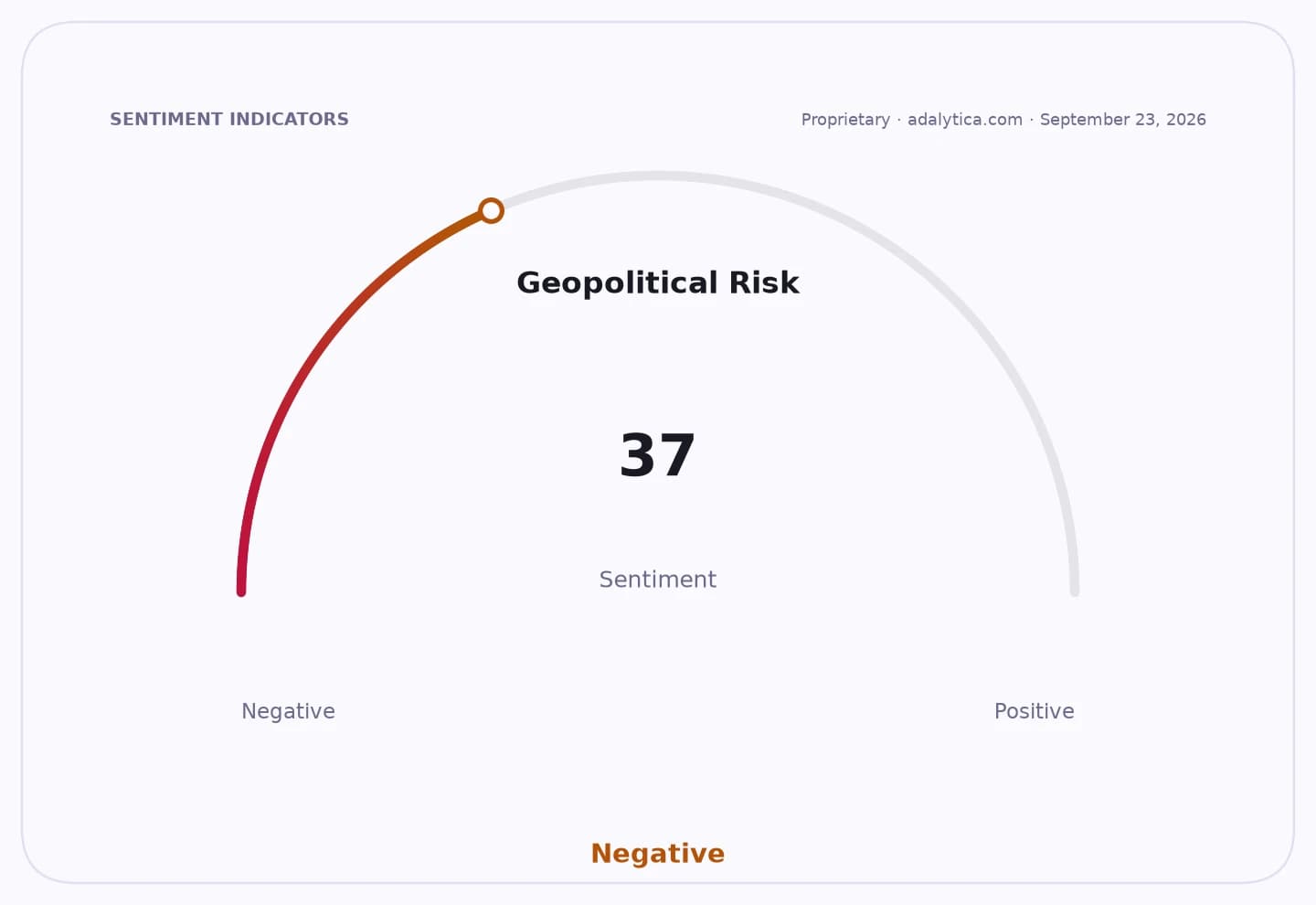
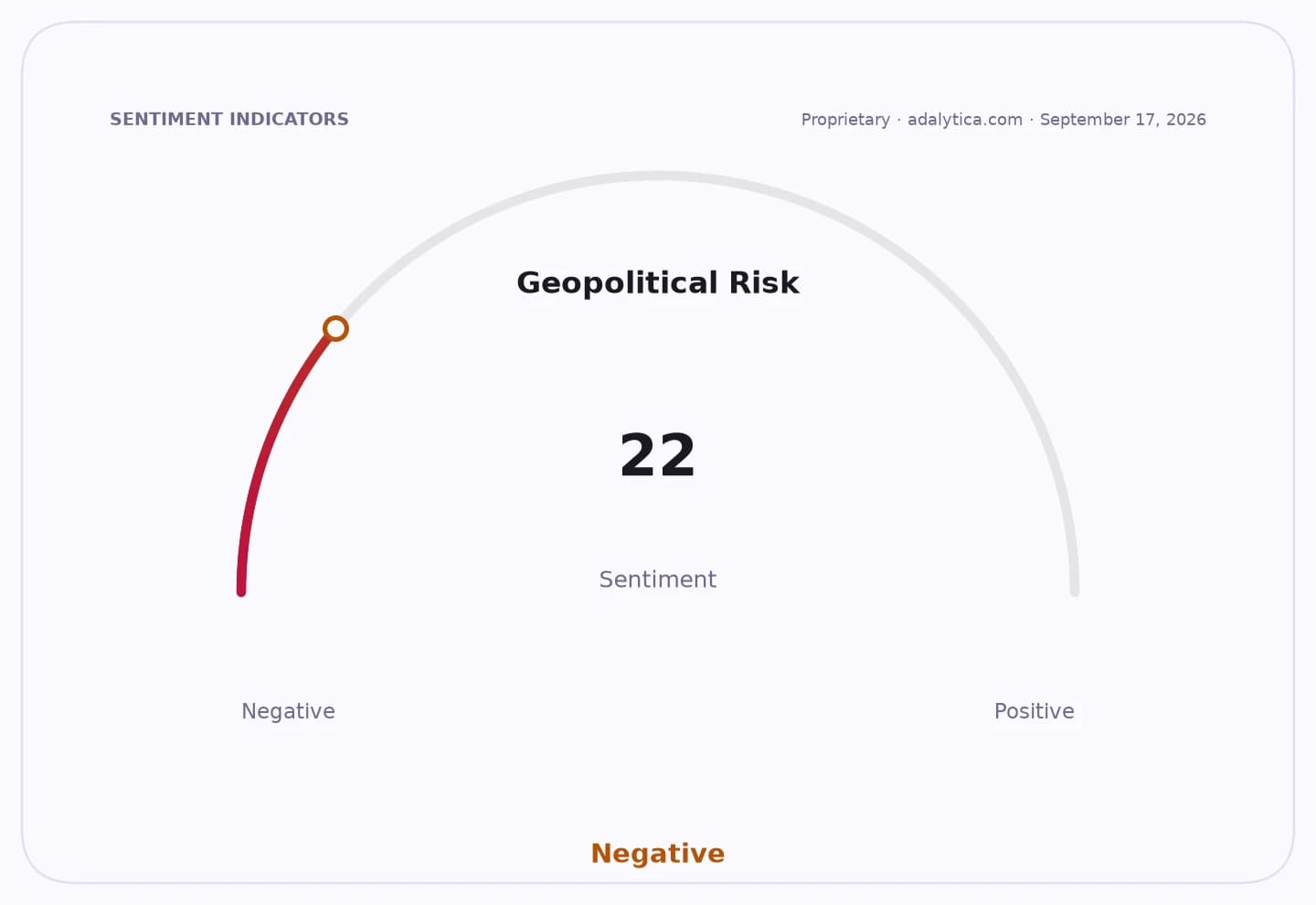
Sentiment IndicatorsⓘProprietary · adalytica.com · September 13, 2026
This is a snapshot — live sentiment, awareness and momentum for 130+ markets update continuously in the dashboard.Open AlphaPulse
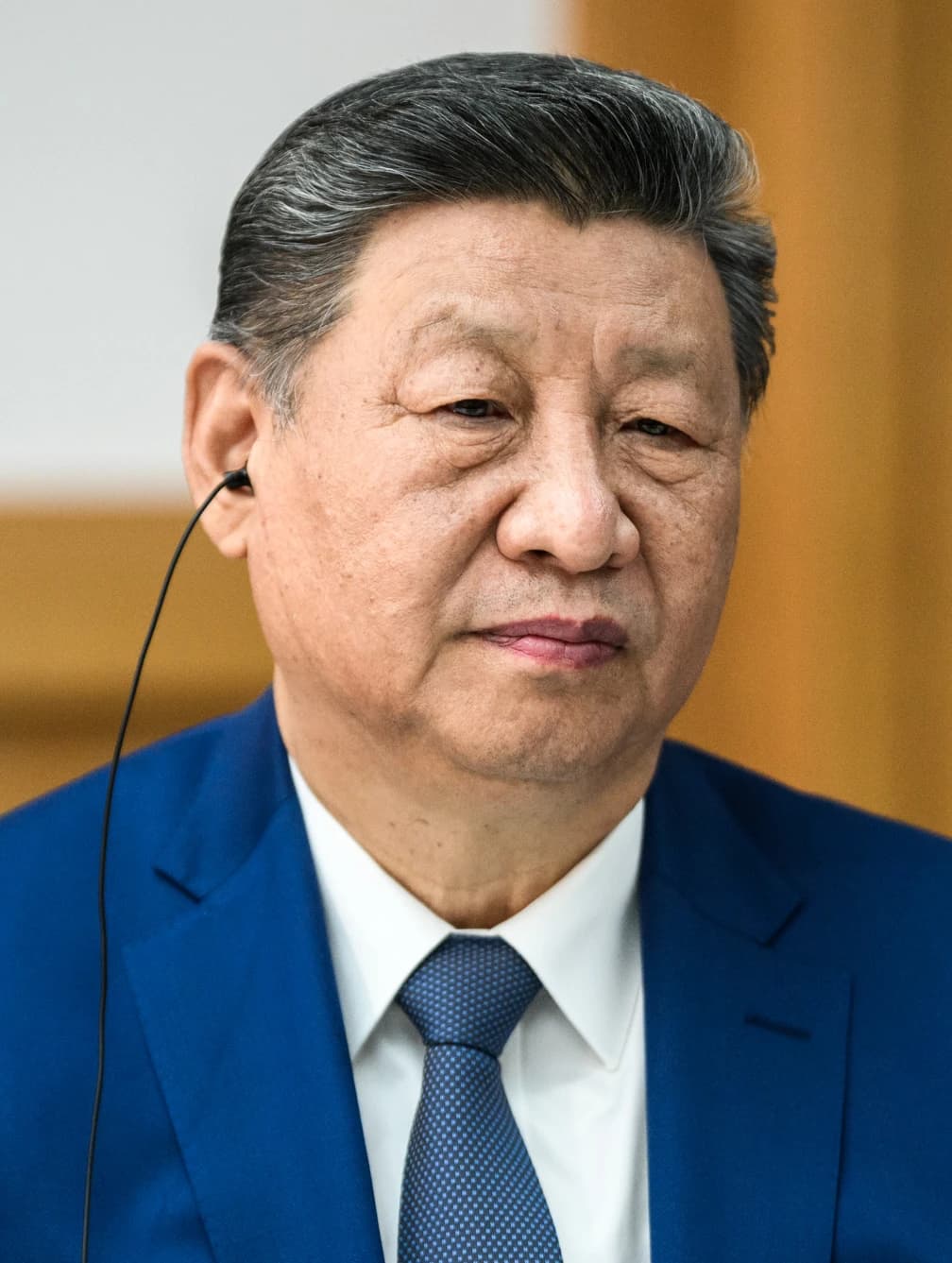
Foreign Ministry spokeswoman Mao Ning said BRICS remains one of the key platforms for cooperation among emerging markets and developing countries, and that Beijing wants the bloc to defend multilateralism, fairness and common development. Xi Jinping will address leaders on the international environment, the bloc’s development and “practical cooperation,” while China is preparing to present new initiatives to guide what Beijing calls the “Greater BRICS” agenda.
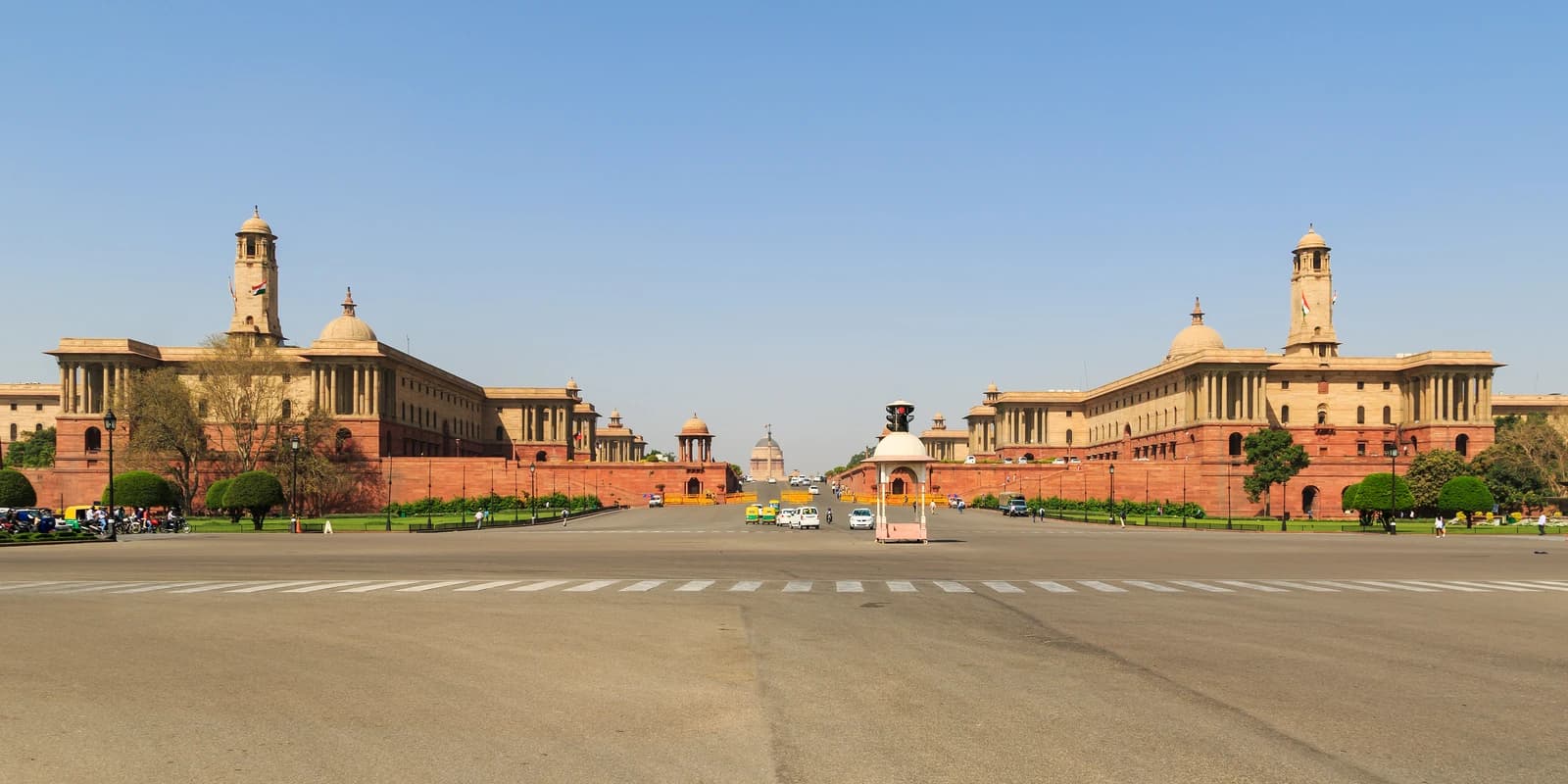
The summit is taking place in New Delhi against a backdrop of rising conflict and protectionism, with finance high on the list. Members are expected to discuss ways to make cross-border payments easier and improve interoperability among national systems, building on language from the 2025 Rio declaration that backed local-currency financing and talks on a BRICS payments system.
There is still no agreement on a shared currency, underscoring how limited the bloc’s integration remains. But the push for settlement in local currencies and improved payment infrastructure could still chip away at dollar usage at the margin, particularly in trade among member states.
The politics also matter. Xi is scheduled to meet Indian Prime Minister Narendra Modi at the summit, their third straight bilateral after meetings in Kazan and Tianjin, in a sign both sides are trying to keep dialogue open despite strategic frictions. Beijing said it is ready to expand communication, cooperation and management of differences from a long-term perspective.
China will take over the BRICS presidency in 2027 and says it wants to deepen cooperation in trade, investment, the digital economy, services, green minerals, artificial intelligence and special economic zones. For markets, the key catalyst is whether the summit produces concrete steps on payments or financing that can be followed through into 2027, rather than another broad political declaration.
| Entity | Gains | Losses |
|---|---|---|
| China | ▲Agenda-setting power | ▼Pressure to deliver concrete progress |
| BRICS members | ▲Easier local-currency trade | ▼Continued dollar dependence |
| India | ▲Diplomatic engagement with China | ▼Ongoing strategic friction |
| Dollar-based payment system | ▲Near-term dominance | ▼Gradual erosion at the margin |